
2026 Guide: Subsurface Drip Irrigation Installation for Farmers
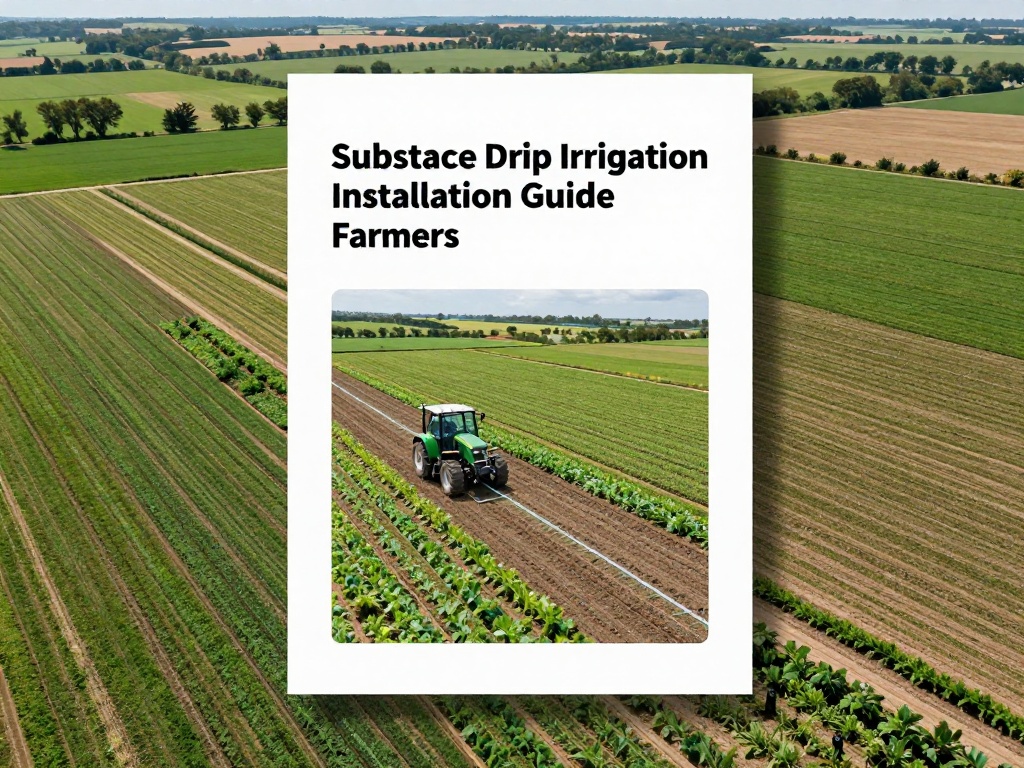
2026 Guide: Subsurface Drip Irrigation Installation for Farmers
Subsurface drip irrigation installation offers modern farmers an efficient way to deliver water directly to plant root zones. This method can reduce water usage by up to 60% while increasing crop yields significantly. Whether you farm vegetables, fruits, or field crops, this step-by-step guide will help you install a subsurface drip irrigation system that works for your operation.
Why Choose Subsurface Drip Irrigation?
Subsurface drip irrigation (SDI) delivers water below the soil surface through buried drip lines. Unlike surface drip systems, these lines remain hidden underground, minimizing evaporation losses and weed growth. Farmers who install subsurface drip irrigation systems report water savings of 30-60% compared to traditional flood irrigation methods.
The initial investment in subsurface drip irrigation installation pays for itself within 3-7 years through reduced water bills, lower labor costs, and improved harvest quality. This makes it an attractive option for both small-scale farmers and large agricultural operations looking to optimize resource use.
Planning Your Subsurface Drip Irrigation Installation
Assessing Your Field and Soil Type
Before beginning your subsurface drip irrigation installation, evaluate your soil composition. Sandy soils require closer drip line spacing (12-18 inches), while clay soils work well with wider spacing (18-24 inches). Conduct a soil test to understand your field's water-holding capacity and infiltration rate.
Map out any slopes, drainage issues, or existing obstacles in your field. Subsurface systems work best on relatively flat terrain, though they can be adapted for slopes up to 5% with proper pressure compensation. Document areas with poor drainage to avoid waterlogging problems later.
Calculating System Requirements
Determine your water source capacity by measuring flow rate in gallons per minute. Calculate the total acreage you intend to irrigate and divide your flow rate accordingly. Most subsurface drip irrigation systems require 0.5-1.0 gallons per minute per acre at operating pressure.
Select appropriately sized mainlines, submains, and drip lines based on your field dimensions. For fields longer than 400 feet, consider using multiple zones with individual control valves. This ensures uniform water distribution across the entire irrigation area.
Essential Materials for Subsurface Drip Irrigation Installation
- Drip tubing with built-in emitters (flow rates of 0.4-1.0 GPH)
- Mainline and submain polyethylene pipes
- Filter system (screen or disc filters)
- Pressure regulator (10-15 PSI)
- Air relief valves and flush valves
- Connectors, tees, and elbow fittings
- Chemigation/injection ports
- Trenching equipment or pipe puller
Step-by-Step Installation Process
Step 1: Install the Mainline and Filtration System
Begin your subsurface drip irrigation installation by laying the mainline from your water source to the field. Install a high-quality filter immediately after the water meter or pump. Add a pressure regulator next to maintain consistent operating pressure throughout the system. These components protect your drip lines from clogging and ensure uniform water delivery.
Step 2: Mark Your Layout and Install Submains
Use stakes and string to mark where each drip line will run. Space lines according to your crop spacing and soil type. For row crops, position drip lines parallel to plant rows. Install submain pipes perpendicular to the drip lines, connecting them to the mainline at designated zone locations.
Step 3: Trench and Bury Drip Lines
Dig trenches 6-12 inches deep for your drip lines. Depth depends on your crop type—vegetables typically need 6-8 inches, while permanent crops like orchards may require 12-18 inches. Use a pipe puller or trencher designed for drip irrigation installation to minimize soil disturbance.
Place the drip lines carefully in the trench bottom, ensuring no kinks or sharp bends occur. Maintain consistent depth throughout each run. Connect lines to submains using appropriate fittings, making sure all connections are secure and leak-free.
Step 4: Install Control and Safety Valves
Place air relief valves at the highest points of your system to prevent vacuum formation. Install flush valves at the ends of each drip line run to allow periodic cleaning. Add individual zone valves if your system has multiple sections, enabling independent control of different field areas.
Step 5: Test the System Before Backfilling
Before covering your trenches, pressurize the system and check for leaks. Look for weeping at connections, emitter malfunction, or pressure inconsistencies. Run water through each zone separately to verify uniform coverage. Fix any issues before backfilling trenches with soil.
Step 6: Complete Backfilling and System Startup
Carefully backfill trenches, keeping soil loose around the drip lines to avoid crushing them. Tamp soil gently to prevent future settling. Begin with short irrigation cycles at low pressure, gradually increasing to full operating pressure over several days. This allows the soil to settle around the buried lines.
Operating Your Subsurface Drip Irrigation System
Schedule irrigation based on crop water needs, weather conditions, and soil moisture levels. Most crops require 0.5-1.5 inches of water per week, delivered in frequent, short cycles. Monitor system pressure regularly to detect potential clogs or leaks early.
Flush drip lines monthly to remove sediment and prevent emitter clogging. Use chemical treatments like chlorine or acid solutions only when necessary and according to manufacturer guidelines. Keep detailed records of irrigation schedules, maintenance activities, and crop responses for continuous improvement.
Common Mistakes to Avoid in Subsurface Drip Irrigation Installation
- Skipping proper filtration—always install adequate filters
- Using incorrect pressure settings that damage emitters
- Burying lines too shallow, risking damage from field equipment
- Failing to account for future crop rotation in layout planning
- Neglecting regular maintenance and system flushing
- Over-irrigating due to lack of soil moisture monitoring
Frequently Asked Questions
How deep should I bury subsurface drip irrigation lines?
Depth depends on your crop type and soil conditions. For annual vegetables and row crops, bury lines 6-10 inches deep. For perennial crops and orchards, install lines 12-18 inches deep to accommodate deeper root systems and prevent surface damage.
What is the expected lifespan of a subsurface drip irrigation system?
Quality drip lines last 10-20 years with proper maintenance. Polyethylene pipes used for mains and submains can last 20-30 years. Emitter clogging is the primary cause of premature system failure, making regular flushing essential.
How much does subsurface drip irrigation installation cost per acre?
Costs range from $500-$2,000 per acre depending on system complexity, crop type, and field size. Drip line costs typically run $300-$600 per acre, while filtration, valves, and piping add $200-$800 more. Larger installations often have lower per-acre costs due to economies of scale.
Can I install subsurface drip irrigation myself?
Small installations under 5 acres are manageable for farmers with basic plumbing skills. However, larger systems benefit from professional design and installation to ensure proper sizing, uniform coverage, and compliance with local regulations. Consider hiring an irrigation specialist for fields over 10 acres.
How do I prevent drip line clogging?
Install adequate filtration (mesh or disc filters of 120 mesh or finer), flush lines regularly (monthly or bi-weekly), use chemical treatments when water quality is poor, and monitor system pressure to detect early warning signs. Clean or replace filters as needed.
What crops work best with subsurface drip irrigation?
Subsurface drip irrigation suits most row crops including corn, soybeans, cotton, vegetables, and fruits. It particularly benefits high-value crops like tomatoes, peppers, strawberries, and melons. It is less ideal for crops requiring frequent tillage that might damage buried lines.
When is the best time to install subsurface drip irrigation?
Install before planting season so lines are ready when crops emerge. Fall installation allows spring planting without delay. Avoid installation in waterlogged soil, extreme heat, or frozen conditions. Many farmers install during the off-season to minimize disruption to ongoing operations.
0 Response to "2026 Guide: Subsurface Drip Irrigation Installation for Farmers"
Post a Comment