
2026 Guide to Biological Pest Control in Organic Farming
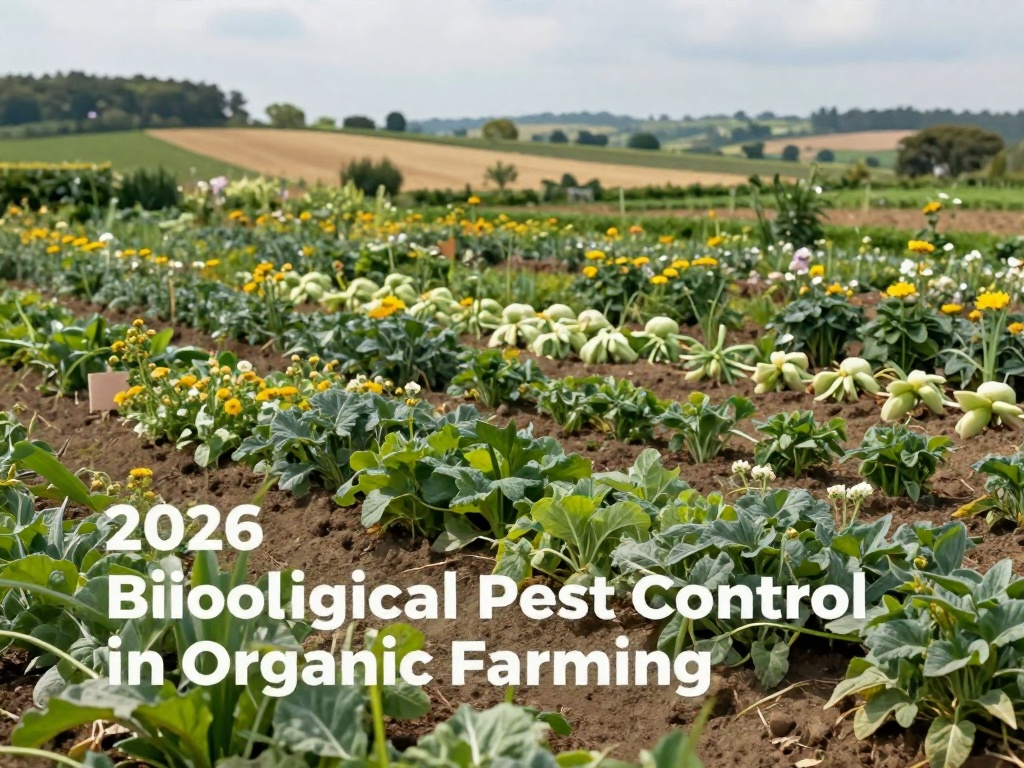
2026 Guide to Biological Pest Control in Organic Farming
Organic farming continues to gain momentum as growers seek sustainable alternatives to chemical pesticides. Biological pest control in organic farming represents one of the most effective natural approaches to managing agricultural pests while maintaining ecological balance. This comprehensive guide explores proven methods, practical strategies, and essential techniques for implementing biological control systems in your farming operation.
Understanding Biological Pest Control
Biological pest control involves using living organisms to suppress pest populations, reducing the need for synthetic interventions. This organic method harnesses natural predator-prey relationships to maintain agricultural balance. The approach has proven particularly effective for growers seeking maximum yield without compromising environmental integrity.
The fundamental principle relies on introducing or enhancing natural enemies of common agricultural pests. These beneficial organisms include predatory insects, parasitic wasps, nematodes, and specific fungi that target harmful species. When properly implemented, biological control creates a self-sustaining ecosystem that naturally regulates pest populations.
Why Choose Biological Methods for Your Farm
Biological pest control offers numerous advantages over conventional approaches. Growers report improved soil health, increased biodiversity, and long-term cost savings. Additionally, organic methods produce healthier crops free from chemical residues, meeting growing consumer demand for clean food production.
The natural approach also supports pollinators and other beneficial insects essential for crop reproduction. By avoiding harsh chemicals, farmers protect honeybees, native bees, and other pollinators that contribute significantly to agricultural productivity.
Types of Beneficial Insects for Organic Farms
Successful biological pest control requires understanding which beneficial organisms target specific pests. This knowledge enables growers to make informed decisions when selecting natural enemies for their particular crop challenges.
Ladybugs and Lady Beetles
Ladybugs remain among the most valuable allies for organic farmers. Both adults and larvae consume aphids, mite, and scale insects with remarkable efficiency. A single ladybug can consume up to 5,000 aphids during its lifetime, making these insects particularly valuable for controlling aphid infestations in vegetable gardens, fruit orchards, and field crops.
Lacewings: Aphid Destroyers
Green lacewings earned the nickname "aphid lions" due to their voracious appetite. Their larvae possess strong mandibles capable of piercing and consuming hundreds of soft-bodied pests daily. Adult lacewings also feed on nectar and pollen, contributing to pollination while their larvae handle pest control duties.
Parasitic Wasps for Targeted Control
Despite their name, parasitic wasps pose no threat to humans or livestock. These tiny insects lay eggs inside or on pest insects, with larvae eventually killing their hosts. Common varieties include Trichogramma wasps targeting caterpillar eggs and Aphidius species controlling aphid populations.
Predatory Mites for Spider Mite Management
Predatory mites, particularly Phytoseiidae family members, offer excellent control of spider mites in greenhouse and field settings. These minute predators consume spider mites, thrips, and other small arthropods. They prove especially valuable in enclosed spaces like high tunnels and indoor growing operations.
Step-by-Step Implementation Guide
Implementing biological pest control requires careful planning and systematic execution. This step-by-step approach helps beginners achieve successful results in their organic farming operations.
Step 1: Assess Your Current Ecosystem
Before introducing beneficial organisms, evaluate existing pest pressures and natural enemy populations. Conduct regular scouting to identify specific pest species and determine whether native beneficial insects are already present. Understanding your baseline enables targeted interventions rather than generic applications.
Step 2: Choose Appropriate Beneficial Organisms
Select natural enemies matching your identified pest problems and growing conditions. Consider factors including climate, crop type, growing environment, and available release methods. For maximum yield, match predator lifecycle with peak pest activity periods.
Step 3: Create Habitats for Beneficial Insects
Establish diverse plantings around field edges and throughout growing areas to support beneficial insect populations. Include flowering plants providing nectar and pollen resources. Native wildflower strips attract and retain predatory insects, creating permanent habitats that naturally colonize crop areas.
Step 4: Time Releases Correctly
Beneficial insect releases require precise timing for optimal establishment. Introduce predators after pest populations appear but before infestations reach damaging levels. Multiple staggered releases often prove more effective than single large applications, ensuring continuous predator presence throughout the growing season.
Companion Planting for Enhanced Biological Control
Companion planting amplifies biological pest control effectiveness by creating diverse habitats that support beneficial organisms. Strategic plant combinations naturally deter pests while attracting predatory species.
Best Companion Plants for Organic Farms
Umbrella-shaped flowers including dill, fennel, and yarrow attract parasitic wasps and predatory flies. Marigolds release compounds discouraging soil nematodes while attracting beneficial hoverflies. Sunflowers serve as trap crops, drawing aphids away from primary crops while providing habitat for predator insects.
Creating Insectary Borders
Dedicated insectary borders around field perimeters provide permanent habitat for beneficial insects. Mix native flowering plants with cultivated varieties to support diverse predator populations. These border habitats naturally migrate into crop areas during growing season, providing ongoing pest management assistance.
Common Mistakes to Avoid
Even experienced growers encounter challenges when transitioning to biological pest control. Understanding common pitfalls helps prevent setbacks and ensures successful implementation.
Using Broad-Spectrum Pesticides
The most critical mistake involves applying broad-spectrum pesticides, including organic-approved products, during active beneficial insect releases. Even natural pesticides like pyrethrin can devastate predator populations. Always check compatibility before combining treatments and respect recommended intervals between applications.
Insufficient Monitoring
Biological control requires more intensive monitoring than conventional approaches. Regular scouting enables early pest detection and timely predator introductions. Without consistent observation, pest populations may exceed manageable thresholds before growers recognize the problem.
Unrealistic Expectations
Biological pest control rarely provides instant results. Unlike chemical applications that kill pests immediately, biological methods require time for predator populations to establish and build. Patience and persistence prove essential, particularly during the first growing season while ecosystems develop.
Integrating Biological Control with Other Organic Methods
Maximum effectiveness comes from combining biological pest control with complementary organic farming practices. Integrated Pest Management combines multiple strategies for comprehensive protection.
Cultural Practices Supporting Biological Control
Crop rotation disrupts pest life cycles while improving soil health. Sanitation removes overwintering pest habitats. Proper irrigation and fertilization produce healthier plants more resistant to pest damage. These cultural practices work synergistically with biological controls for enhanced protection.
Physical Barriers and Traps
Physical controls including row covers, sticky traps, and insect netting supplement biological methods. Row covers prevent initial pest colonization while still allowing air circulation and light penetration. Sticky traps provide monitoring data while reducing adult pest populations.
Seasonal Timing for Maximum Effectiveness
Understanding seasonal pest and predator cycles enables strategic intervention timing. Different growing regions experience varying pressure patterns requiring adjusted schedules.
Early Season Preparation
Begin habitat preparation during early spring, establishing beneficial insect habitats before primary crop planting. Order beneficial insects in advance to ensure availability when needed. Introduce predators proactively rather than waiting for severe infestations to develop.
Peak Season Management
Summer months typically bring peak pest pressure requiring enhanced monitoring and possible supplemental releases. Continue habitat maintenance and avoid disruptive practices that might harm established predator populations. Harvest timing affects pest dynamics, requiring adaptive management.
Fall and Winter Considerations
Season-end planning supports beneficial insect survival for subsequent growing seasons. Maintain permanent habitat areas providing overwintering shelter. Remove crop debris carefully to preserve beneficial insect populations sheltering in plant material.
Cost and Effort Considerations
Biological pest control requires initial investment in beneficial organisms, habitat establishment, and monitoring labor. However, long-term benefits typically outweigh these costs for committed organic producers.
Startup Investment Breakdown
Beneficial insect purchases vary widely depending on species and quantity. Ladybug releases cost approximately $10-15 per thousand, while specialized predators like predatory mites range higher. Habitat establishment involves seed costs and establishment labor but provides permanent benefits once established.
Long-Term Economic Benefits
Successful biological control eliminates ongoing pesticide purchases while producing premium organic crops commanding higher market prices. Reduced input costs combined with improved product quality typically generate positive returns within 2-3 growing seasons.
Measuring Success in Biological Pest Control
Evaluating biological control effectiveness requires appropriate metrics beyond simple pest counts. Track multiple indicators to assess comprehensive program success.
Monitoring Protocols
Implement regular scouting schedules examining plant damage, pest population levels, and beneficial insect presence. Document observations systematically to identify trends over time. Photo documentation provides visual evidence of progress and problem areas.
Crop Quality and Yield Assessment
Ultimately, biological control success shows in harvest results. Compare crop quality, marketable yield, and economic returns against previous seasons or conventional comparison areas. Successful programs maintain acceptable quality while progressively reducing input requirements.
FAQ: Biological Pest Control in Organic Farming
What is the easiest biological pest control method for beginners?
Releasing purchased ladybugs represents the most accessible starting point for beginners. They are widely available, relatively inexpensive, and effective against common pests like aphids. However, successful establishment requires proper release timing, adequate water sources, and habitat support to retain released insects on your property.
How long does biological pest control take to show results?
Initial results typically appear within 2-4 weeks after releasing beneficial insects, though significant population-level suppression develops over several months. Building a self-sustaining ecosystem with natural predator-prey balance generally requires one full growing season, with effectiveness improving each subsequent year as habitats establish and populations stabilize.
Can I use biological pest control in containers or small spaces?
Biological pest control works excellently in containers, raised beds, and small spaces. Beneficial insects including ladybugs, lacewings, and predatory mites adapt well to contained environments. Focus on intensive monitoring given limited dispersal options and consider purchasing smaller quantities more frequently for targeted applications.
What is the cost difference between biological and chemical pest control?
Initial biological control costs typically run 20-40% higher than conventional chemical approaches. However, costs equalize within 1-2 seasons as pesticide purchases cease and beneficial populations become established. Long-term biological control proves more economical, with ongoing costs limited to occasional supplemental releases and habitat maintenance.
Which crops benefit most from biological pest control?
High-value crops with significant pest pressure, including vegetables, fruits, and specialty crops, benefit most from biological control. Tomatoes, peppers, strawberries, grapes, and tree fruits respond particularly well to predatory insect releases. Field crops like corn and soybeans can also benefit but require larger scale habitat establishment for economic viability.
How do I know if my biological control program is working?
Signs of success include declining pest populations over time, increasing sightings of beneficial insects throughout your growing areas, maintained crop quality without pesticide applications, and improving ecosystem diversity including pollinators and other beneficial organisms. Document observations systematically to track progress and identify areas requiring adjustment.
0 Response to "2026 Guide to Biological Pest Control in Organic Farming"
Post a Comment