
2026 Guide to Foliar Feeding Micronutrient Application Techniques
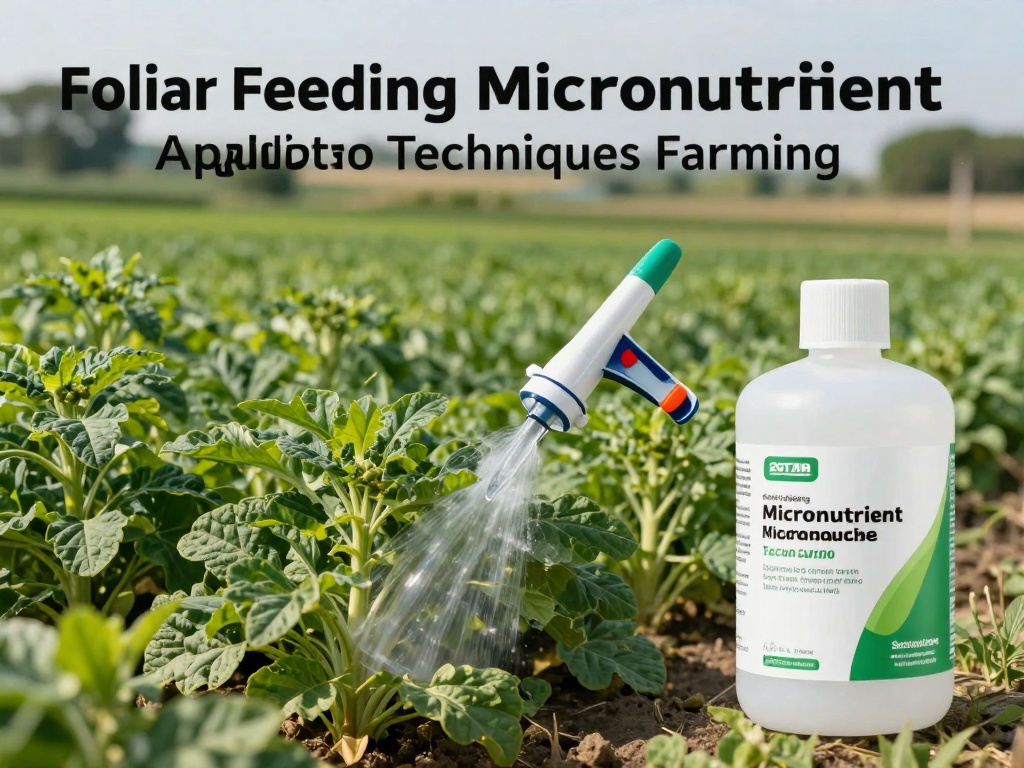
2026 Guide to Foliar Feeding Micronutrient Application Techniques
Foliar feeding micronutrient application techniques farming has become an essential practice for modern growers seeking to maximize crop yields and plant health. While traditional soil fertilization provides baseline nutrition, foliar spray applications deliver essential micronutrients directly to plant leaves for rapid absorption and immediate results. This comprehensive guide explores the most effective techniques for applying micronutrients through foliar feeding, helping farmers and gardeners achieve outstanding results in the 2026 growing season.
What is Foliar Feeding and Why Does It Matter?
Foliar feeding involves applying liquid fertilizers directly to plant leaves, where nutrients are absorbed through tiny pores called stomata. Unlike soil applications that require root uptake and metabolic processing, foliar micronutrient application provides near-instantaneous nutrient delivery directly to photosynthetic tissues. Research from agricultural universities shows that properly applied foliar sprays can correct micronutrient deficiencies within 24 to 72 hours, making this technique invaluable during critical growth stages or when deficiency symptoms appear suddenly.
The Science Behind Leaf Absorption
Plant leaves contain thousands of stomata per square centimeter, primarily concentrated on the undersides. These openings serve as entry points for foliar-applied nutrients, especially when spray droplets are properly sized for maximum penetration. Micronutrients applied as foliar sprays bypass soil-related absorption barriers such as pH imbalances, competing ions, and locked-up minerals that commonly reduce soil fertilizer effectiveness.
Essential Micronutrients for Foliar Application
Not all nutrients respond equally well to foliar feeding, but several micronutrients are exceptionally effective when applied through leaves. Understanding which nutrients work best through foliar application helps farmers prioritize their application strategies for maximum return on investment.
Iron (Fe) - Critical for Chlorophyll Production
Iron deficiency commonly appears as yellowing between leaf veins, particularly in high-pH soils. Foliar iron applications work exceptionally well because iron moves poorly through soil but absorbs efficiently through leaves. Chelated iron products perform best for foliar use, providing quick green-up in deficient plants. Apply iron sprays during early morning or late afternoon when stomata are fully open for optimal absorption.
Zinc (Zn) - Enzyme Activation and Growth Regulation
Zinc plays vital roles in enzyme systems and auxin production, making it essential for proper plant growth and development. Zinc deficiency causes stunted growth, small leaves, and interveinal chlorosis. Foliar zinc application is particularly effective for fruit trees, corn, and beans. Zinc sulfate and zinc chelate formulations both work well, though zinc sulfate requires careful concentration management to avoid leaf burn.
Manganese (Mn) - Photosynthesis Cofactor
Manganese serves as a critical cofactor in photosynthesis, helping split water molecules and release oxygen. Deficiency symptoms resemble iron chlorosis but typically appear on newer growth first. Foliar manganese applications provide rapid correction, especially effective for soybeans, small grains, and tree crops growing in high-pH soils where manganese becomes unavailable.
Copper (Cu), Boron (B), and Molybdenum (Mo)
These three micronutrients round out the essential elements commonly applied through foliar techniques. Copper aids cell wall formation and disease resistance, boron supports cell division and pollination, while molybdenum facilitates nitrogen fixation and protein synthesis. Each requires specific formulation considerations and application timing for maximum effectiveness.
Proven Foliar Feeding Micronutrient Application Techniques for Farming
Successful foliar micronutrient application requires attention to technique, timing, formulation, and environmental conditions. The following methods represent the most effective approaches for achieving consistent results across diverse cropping systems.
1. Low-Volume High-Concentration Spraying Method
This technique involves applying concentrated nutrient solutions in low water volumes, typically 5 to 20 gallons per acre. The high concentration compensates for reduced coverage while ensuring adequate nutrient deposition on leaf surfaces. Low-volume spraying works best when using fine droplet nozzles that produce droplets in the 150 to 300-micron range, balancing coverage with drift resistance. This method proves particularly cost-effective for large-scale operations where water availability may be limited.
2. Fine Droplet Atomization for Maximum Absorption
Creating droplets in the 100 to 200-micron range optimizes leaf surface contact and stomatal penetration. Fine atomization requires appropriate nozzle selection—typically hollow cone or air induction nozzles—and proper sprayer pressure management. This technique is ideal for high-value crops where precision matters more than speed. Operators must balance droplet size against wind drift potential, typically restricting fine-atomization applications to calm conditions.
3. Soil-Fed Supplement Strategy
Rather than replacing soil fertilization, effective foliar programs supplement root-zone nutrition during peak demand periods. This hybrid approach applies micronutrients to leaves during critical growth stages while maintaining comprehensive soil fertility programs. Growers identify crop growth stages requiring enhanced micronutrient availability—such as flowering, fruit set, or grain fill—and schedule foliar applications to coincide with these periods. This technique minimizes waste while maximizing nutrient utilization efficiency.
Step-by-Step Application Process for Beginners
New farmers often worry about the complexity of foliar micronutrient application, but following a systematic approach ensures success from the first attempt. This step-by-step methodology works across diverse crop types and farming scales.
Step 1: Conduct Tissue Testing Before Application
Before applying any micronutrient spray, confirm actual deficiency through plant tissue analysis rather than visual symptoms alone. Many deficiency symptoms resemble other problems, and applying unneeded nutrients wastes money while potentially causing toxicity. Collect samples from 15 to 20 plants across your field, selecting the most recently mature leaves. Send samples to a reputable agricultural laboratory for complete micronutrient analysis.
Step 2: Choose the Right Formulation
Select fertilizer formulations specifically designed for foliar application. Granular fertilizers dissolved for spraying often contain fillers that clog nozzles and may injure leaves. Look for products labeled for foliar use, checking that the micronutrient form is plant-available. For example, choose zinc EDTA or zinc sulfate specifically formulated for leaf application rather than agricultural-grade zinc intended for soil broadcasting.
Step 3: Calculate Proper Dilution Rates
Follow manufacturer recommendations precisely when mixing foliar solutions. Concentration too low provides inadequate nutrition, while excessive concentration causes leaf burn and potential crop damage. Most foliar micronutrient products recommend mixing 1 to 4 pounds per 100 gallons of water for field crops, with lower rates for sensitive species or young seedlings. Always add surfactants or spreader-stickers when specified, as these adjuvants improve droplet spread and leaf adhesion.
Step 4: Apply During Optimal Environmental Conditions
Environmental factors dramatically influence foliar absorption efficiency. Apply sprays during early morning (6 AM to 10 AM) or late afternoon (4 PM to 7 PM) when temperatures range from 65°F to 80°F. Avoid midday applications during hot weather, as rapid evaporation reduces absorption while increasing burn risk. Relative humidity above 50% extends droplet drying time, providing leaves more opportunity to absorb nutrients. Never apply foliar sprays when rainfall is expected within 24 hours.
Step 5: Ensure Complete Plant Coverage
Micronutrients must contact leaf surfaces to be absorbed. Thorough coverage means targeting both upper and lower leaf surfaces, paying special attention to new growth where deficiencies typically appear first. Use sufficient spray volume to achieve light droplet saturation without excessive runoff. For tree crops, apply until spray begins dripping from leaves. For row crops, use broadcast sprayers calibrated for complete canopy penetration.
Best Practices for Maximum Yield Results
Experienced growers employ additional strategies to maximize the effectiveness of their foliar micronutrient programs. These best practices distinguish average results from outstanding yields.
Timing Applications with Growth Stages
Different crops have specific growth windows when micronutrient demands peak. For corn, apply micronutrients during V6 to V8 growth stages and again at tasseling. Soybeans benefit most from foliar applications at the R1 to R3 flowering stages. Fruit trees respond well to pre-bloom and post-harvest applications. Matching application timing to crop physiology ensures nutrients support actual demand rather than being applied when plants cannot utilize them effectively.
Combining Micronutrients Strategically
Many micronutrients can be tank-mixed for simultaneous application, reducing application costs and timing requirements. However, chemical compatibility varies significantly between products. Test small mixtures before large-scale application, watching for precipitation, color changes, or unusual viscosity. Generally, micronutrients from the same manufacturer and product line are designed for compatibility. Avoid mixing calcium with phosphorus-containing products, as these often form insoluble compounds.
Using Adjuvants for Enhanced Performance
Surfactants, stickers, and penetrants dramatically improve foliar absorption of micronutrients. Non-ionic surfactants reduce droplet surface tension, promoting better leaf surface spreading. Sticker adjuvants help spray deposits resist wash-off from rain or irrigation. Penetrant products help nutrients move through the leaf cuticle more efficiently. Include these adjuvants according to label directions, typically at 0.125% to 0.5% v/v concentrations.
Common Mistakes to Avoid in Foliar Micronutrient Application
Learning from common errors saves time, money, and prevents crop damage. Avoid these pitfalls for successful foliar feeding programs.
Applying excessive concentrations causes leaf burn, characterized by brown or necrotic leaf edges and spots. Always start with lower recommended rates, especially on young plants or sensitive crop varieties. Another frequent mistake involves applying during unfavorable weather—high temperatures, low humidity, or imminent rain all dramatically reduce effectiveness while increasing potential damage.
Neglecting soil fertility represents another critical error. Foliar feeding supplements but never replaces comprehensive soil nutrition programs. Plants receiving only foliar nutrition eventually suffer from inadequate macronutrient supply, as foliar sprays cannot deliver the volume of nitrogen, phosphorus, and potassium that roots absorb from soil.
Seasonal Calendar for Foliar Micronutrient Applications
Planning applications throughout the growing season ensures continuous nutrition support during critical periods. This calendar provides general guidance applicable across most temperate farming regions.
Early Season (Pre-Planting to Early Growth)
Conduct soil and tissue testing to establish baseline nutrient status before planting. Apply preventive micronutrient sprays to transplants at nursery stage or immediately after field establishment. Early applications correct deficiencies before they impact plant development, setting the stage for maximum yield potential.
Mid Season (Vegetative Growth Peak)
This period demands the most attention for foliar micronutrient management. Monitor crops weekly for deficiency symptoms, particularly after heavy rain events that leach nutrients from foliage. Many growers apply multiple micronutrient sprays during this period, spacing applications 14 to 21 days apart for crops with extended vegetative periods.
Late Season (Flowering Through Harvest)
Continue foliar applications through flowering and fruit development for crops where these stages represent yield-determining periods. Reduce or eliminate applications as crops approach harvest, respecting pre-harvest intervals specified on product labels. Some micronutrients improve fruit quality, color, and storage characteristics when applied during late season, so research specific crop requirements.
Cost Analysis and Return on Investment
Foliar micronutrient application represents a relatively low-cost practice compared to potential yield benefits. Typical costs range from $3 to $15 per acre per application, depending on product selection and application method. When foliar applications correct deficiencies that would otherwise reduce yields by 10% to 30%, the return on investment easily justifies the expense.
Field trials across multiple crops demonstrate yield improvements of 5% to 15% from well-timed foliar micronutrient programs, with some specialty crops showing even larger responses. The actual return depends heavily on whether genuine micronutrient deficiencies exist—applying nutrients to adequately supplied plants provides minimal benefit. This reality reinforces the importance of proper testing before initiating foliar programs.
FAQ - Frequently Asked Questions About Foliar Micronutrient Application
What is the best time of day to apply foliar micronutrients?
The optimal time for foliar application is early morning between 6 AM and 10 AM, or late afternoon between 4 PM and 7 PM. During these periods, temperatures are moderate, humidity is higher, and stomata remain open for maximum nutrient absorption. Avoid midday applications when temperatures exceed 85°F, as rapid droplet evaporation reduces effectiveness and increases leaf burn risk.
How often should I apply foliar micronutrients to my crops?
Most foliar micronutrient programs involve applications every 14 to 21 days during active growth, with 2 to 4 total applications per season being typical. The exact frequency depends on crop type, growth rate, rainfall patterns, and existing soil fertility levels. Crops growing rapidly in sandy soils may require more frequent applications than those in loamy soils with better nutrient retention.
Can I mix micronutrients with pesticides in the same spray tank?
Many micronutrient formulations are compatible with common pesticides, but compatibility must be verified before mixing. Always conduct a jar test by combining small quantities in a clear container and observing for precipitation, clumping, or color changes over 30 minutes. When in doubt, apply nutrients and pesticides separately, waiting at least 24 hours between applications.
What concentration of micronutrients is safe to avoid plant damage?
Safe concentrations vary by micronutrient and crop species, but general guidelines suggest keeping total micronutrient concentration below 2% in spray solution. Always follow label recommendations specific to the product you are using. When treating unfamiliar crops or using new products, test on a small area first and observe for 48 to 72 hours before broad-scale application.
How long does it take to see results from foliar micronutrient applications?
Visual improvement from foliar micronutrient application typically appears within 3 to 7 days for mobile nutrients like zinc and manganese. Iron responses may take 7 to 14 days due to slower internal translocation. Complete correction of severe deficiencies may require multiple applications spaced 10 to 14 days apart. Tissue testing 2 to 3 weeks after application confirms successful correction.
Which crops respond best to foliar micronutrient feeding?
Crops with high micronutrient demands and those growing in challenging soil conditions respond particularly well to foliar feeding. Tree fruits, berries, vegetables, and high-value specialty crops generally show the best economic returns from foliar programs. Field crops like corn, soybeans, and wheat benefit when grown on high-pH soils where micronutrient availability is limited. Root crops and legumes have specific micronutrient requirements that foliar applications can efficiently address.
What equipment do I need for effective foliar micronutrient application?
Effective foliar application requires proper spray equipment including a calibrated sprayer, appropriate nozzles, and agitation system to maintain solution homogeneity. Droplet size matters significantly—flat fan or hollow cone nozzles producing 150 to 300-micron droplets work well for most applications. For small-scale operations, pump-up backpack sprayers or handheld compression sprayers suffice. Larger farms benefit from boom sprayers with multiple nozzle configurations. Regardless of scale, always include a pressure gauge and maintain equipment properly.
Foliar feeding micronutrient application techniques farming success depends on understanding the science behind leaf absorption, selecting appropriate products, and executing applications with precision. By following the guidelines in this 2026 guide, farmers and growers can harness the rapid, efficient delivery that foliar feeding provides, correcting deficiencies quickly and supporting optimal crop performance throughout the growing season.
0 Response to "2026 Guide to Foliar Feeding Micronutrient Application Techniques"
Post a Comment