
2026 Guide to Intercropping Techniques for Small Farms Beginners
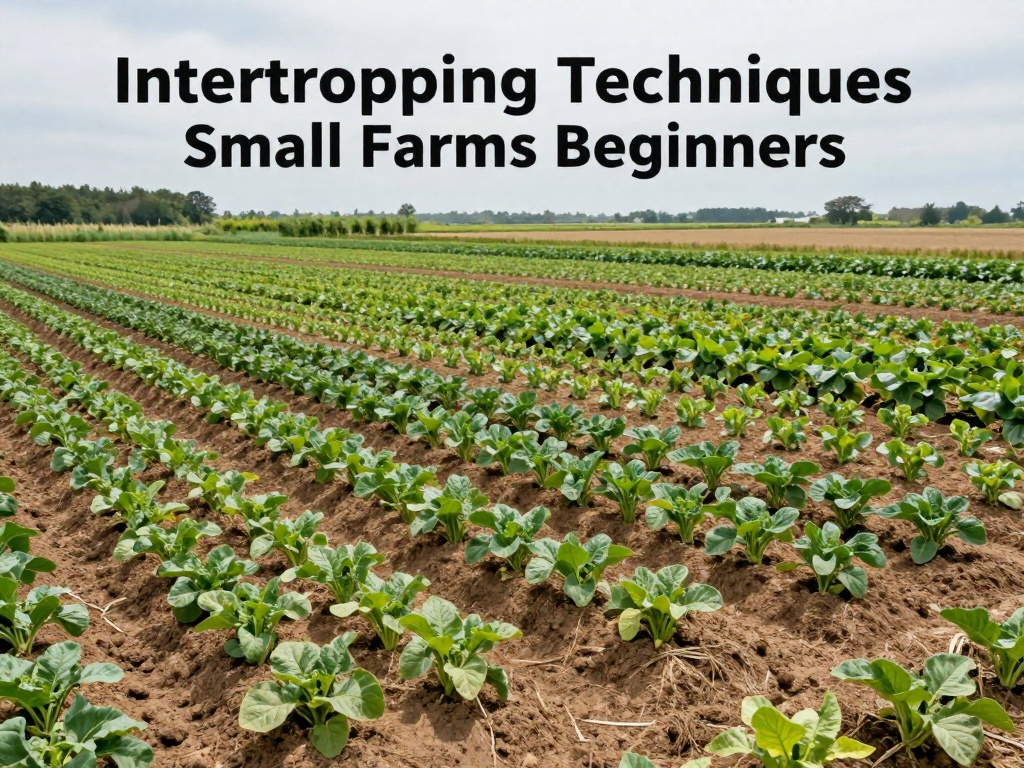
2026 Guide to Intercropping Techniques for Small Farms Beginners
Intercropping techniques for small farms beginners represent one of the most effective ways to maximize your garden space while naturally improving soil health and pest management. This traditional agricultural practice, used for centuries across diverse cultures, is experiencing a renaissance among modern small-scale farmers seeking sustainable alternatives to monoculture. Whether you have a modest backyard plot or a few acres dedicated to small-scale agriculture, understanding intercropping fundamentals can transform your farming efficiency and productivity.
This comprehensive guide walks you through everything you need to know about implementing intercropping techniques for small farms beginners, from basic concepts to practical application strategies that deliver measurable results.
What is Intercropping and Why Does It Matter?
Intercropping is the agricultural practice of growing two or more crops together in proximity to produce a greater yield on a given piece of land by making use of resources that would otherwise not be utilized by a single crop. Unlike monoculture, where a single species dominates, intercropping creates a diverse ecosystem that mimics natural plant communities.
The Science Behind Companion Planting
When you combine compatible plants strategically, several beneficial interactions occur. Deep-rooted plants bring nutrients from lower soil layers to the surface, making them available to shallow-rooted companions. Tall crops provide natural support and shade for sun-sensitive plants, while ground-covering species suppress weeds and retain soil moisture. These complementary relationships form the foundation of successful intercropping techniques for small farms beginners.
Best Intercropping Combinations for Small Farms
The Three Sisters Method
Perhaps the most famous intercropping system originates from Indigenous American agriculture. The Three Sisters combines corn, beans, and squash grown together. Corn provides a natural trellis for bean vines to climb, beans fix atmospheric nitrogen that feeds both corn and squash, and squash leaves spread across the soil surface, suppressing weeds and retaining moisture. This combination has sustained agricultural communities for over 3,000 years.
Tomato and Basil Partnership
For vegetable gardens, tomatoes and basil represent an excellent beginner-friendly combination. Basil naturally repels aphids, tomato hornworms, and other common pests while potentially improving tomato flavor. Both plants share similar water and sun requirements, making management straightforward for novice farmers learning intercropping techniques for small farms beginners.
Carrot and Onion Rotation
Carrots and onions make exceptional bedfellows because their fragrance confused pests. Onion flies and carrot rust flies rely on scent to locate their target crops; when planted together, the mixed aromatics create confusion that reduces pest pressure naturally. This combination works exceptionally well in raised beds and container gardens.
Step-by-Step Guide to Planning Your Intercrop
Step 1: Assess Your Space and Climate
Before selecting crops, evaluate your available growing area, sunlight exposure, soil type, and local climate zone. Different intercropping strategies suit different conditions. Small farms beginners should start with easily manageable combinations that match their specific environment and available time for garden maintenance.
Step 2: Match Complementary Growth Patterns
Successful intercrops combine plants with different heights, root depths, and growth rates. The goal is to maximize resource capture across all soil layers and above-ground spaces. Pair quick-maturing crops like lettuce or radishes with slower-growing vegetables that require longer seasons, allowing you to harvest one crop while the other continues developing.
Step 3: Consider Nutrient Requirements
Some combinations work better than others from a nutritional standpoint. Legumes like peas and beans fix nitrogen that benefits nitrogen-hungry crops such as leafy greens and brassicas. Avoid pairing heavy feeders together unless you plan to supplement with compost or organic fertilizers. Understanding these relationships is crucial for beginners practicing intercropping techniques for small farms.
Intercropping Methods for Maximum Yield
Row Intercropping
Row intercropping involves planting two or more crops in alternating rows. This method offers excellent flexibility for small farms because you can adjust row spacing based on each crop's requirements. Beginners find row intercropping particularly manageable since it allows easy identification and access to individual plants during maintenance and harvest.
Strip Intercropping
Strip intercropping grows multiple crops in wide strips wide enough for mechanical cultivation but narrow enough to allow beneficial interactions between plant species. While typically used on larger small farms, beginners can adapt this technique using walk-behind tractors or hand cultivation between wider plant bands.
Relay Intercropping
Relay intercropping involves planting a second crop into an existing crop stand before the first crop is harvested. This technique extends your growing season by allowing overlapping production periods. For small farms beginners, relay planting lettuce between tomato plants as summer crops reach peak production provides continuous harvests throughout multiple seasons.
Common Mistakes to Avoid
Understanding what not to do proves equally important when learning intercropping techniques for small farms beginners. Avoid combining crops with vastly different water requirements, as overwatering one plant while underwatering another creates stress and reduces yields. Never pair plants from the same botanical family, as they typically share similar pest and disease vulnerabilities that compound when grown together.
Resist the temptation to overplant. Crowded intercrops compete for resources rather than complementing each other. Provide adequate spacing based on each component plant's mature size, understanding that initial plantings will look sparse but will fill the available space as plants develop.
Benefits Beyond Yield
While increased productivity attracts many farmers to intercropping, the benefits extend far beyond harvest quantity. Diverse plantings reduce disease pressure by breaking pest life cycles and creating habitats for beneficial insects. Ground cover combinations protect soil structure from erosion while improving organic matter content through varied root systems. Many small farms beginners discover that intercropping reduces their reliance on external inputs like fertilizers and pesticides.
Getting Started with Minimal Investment
Beginning an intercropping journey requires no expensive equipment or specialized knowledge. Start small with proven combinations in containers or raised beds before expanding to larger areas. Seed companies offer numerous varieties specifically selected for companion planting compatibility. Document your combinations and results in a simple garden journal, building knowledge progressively over seasons.
Seasonal Planning for Continuous Success
Successful intercropping requires thinking ahead across multiple seasons. Plan your combinations based on each crop's planting and harvest timing, considering how successive plantings can maintain ground coverage and productivity year-round. Fall and winter intercrops using cover crops mixed with overwintering vegetables extend your productive season while protecting soil health during dormant periods.
FAQ
What is the easiest intercropping combination for beginners?
The Three Sisters (corn, beans, and squash) or tomato with basil represent the easiest combinations for beginners. Both have proven track records spanning centuries, require minimal specialized knowledge, and offer clear visual feedback on success. Start with one reliable combination before expanding to more complex arrangements.
How much space do I need to start intercropping?
Intercropping works effectively in spaces as small as 4x8 feet or in containers on patios and balconies. Success depends more on thoughtful plant selection and arrangement than total square footage. Begin with a modest area you can manage easily, then expand as your confidence and skills develop.
Does intercropping really increase yields?
Research consistently shows that well-planned intercrops produce higher total yields per acre than equivalent monoculture plantings. Yield increases typically range from 20-60% depending on crop combinations and growing conditions. However, results require proper planning and management to avoid competition that reduces productivity.
How do I prevent crops from competing with each other?
Prevent competition by matching plants with complementary resource needs and growth habits. Combine tall and short plants, shallow and deep root systems, and varied nutrient requirements. Provide adequate spacing based on each plant's mature size, and amend soil appropriately to ensure all components have sufficient nutrition.
What intercrops work best for pest control?
Strong-smelling herbs like basil, cilantro, and dill planted among vegetables confuse pest insects searching by scent. Marigolds planted throughout gardens deter numerous pest species. Carrots with onions, tomatoes with basil, and brassicas with aromatic herbs all provide natural pest suppression benefits.
How long does it take to see results from intercropping?
You can observe benefits within a single growing season. Weed suppression becomes apparent within weeks, pest reduction often shows within the first month, and yield comparisons become clear at harvest time. Soil health improvements typically require 2-3 seasons of consistent intercropping before becoming significant.
Can I practice intercropping with organic methods?
Absolutely. Intercropping aligns perfectly with organic principles, reducing the need for synthetic inputs by naturally improving soil fertility through nitrogen fixation, suppressing pests through biodiversity, and breaking disease cycles through crop rotation. Many organic certification programs specifically recommend intercropping practices.
0 Response to "2026 Guide to Intercropping Techniques for Small Farms Beginners"
Post a Comment