
2026 Vending Machine Business Guide: Complete Start-up Strategy
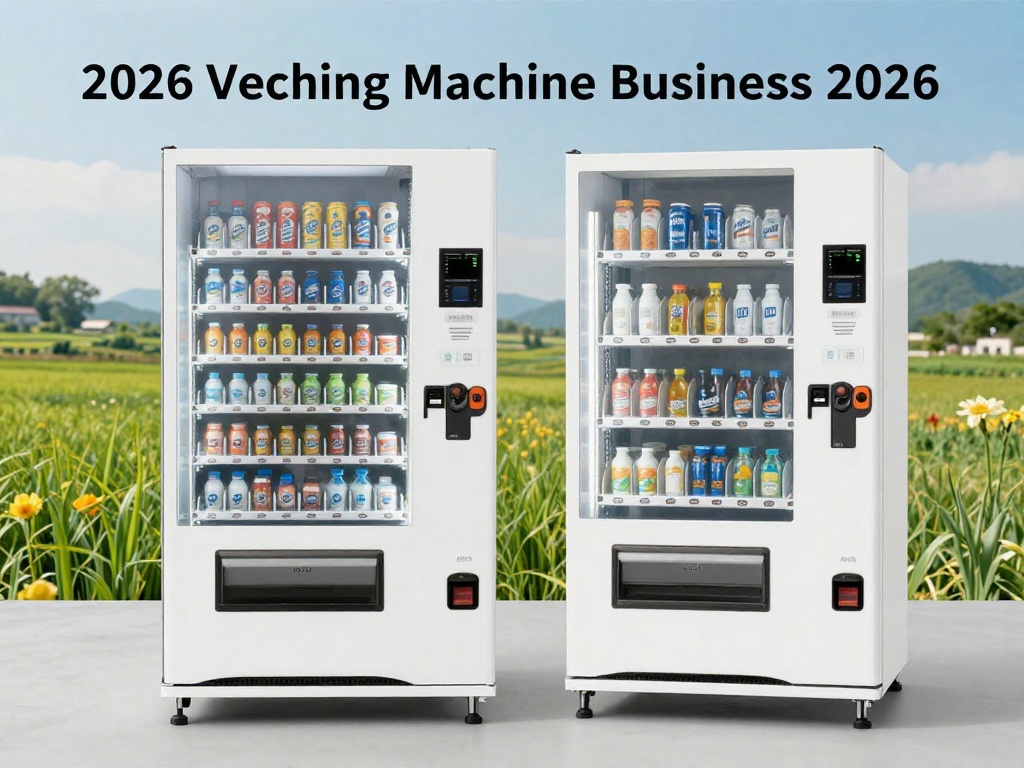
2026 Vending Machine Business Guide: Complete Start-up Strategy
The vending machine business continues to evolve rapidly as we move through 2026, offering entrepreneurs an accessible path to passive income and automated retail success. Whether you're exploring how to start a vending machine business for beginners or seeking advanced strategies for seasoned operators, this comprehensive guide covers everything you need to know about building a profitable vending operation this year.
Why Vending Machines Remain a Smart Investment in 2026
The vending machine industry has proven remarkably resilient, adapting to changing consumer behaviors and technological advancements. Modern vending machines now handle everything from snacks and beverages to fresh produce and electronics, creating diverse opportunities for business owners.
Key Advantages of Vending Machine Business
- Low overhead costs compared to traditional retail establishments
- Flexible scheduling allows you to manage operations around other commitments
- Scalable model enables gradual expansion from one machine to a full fleet
- 24/7 revenue generation from automated sales without constant supervision
- Diversified product options from traditional snacks to specialty items
Step-by-Step Guide to Starting Your Vending Machine Business
Research and Planning Phase
Before investing in equipment, conduct thorough market research for your target location. Analyze foot traffic patterns, competitor density, and demographic preferences in potential areas. Understanding local demand ensures you stock machines with products that actually sell.
Create a detailed business plan outlining startup costs, projected revenues, and operational timelines. This document proves essential when seeking financing or partnerships with location owners.
Legal Requirements and Licensing
Register your vending machine business with appropriate state and local authorities. Requirements vary by location but typically include:
- Business registration and tax identification
- Sales tax permits for each operating jurisdiction
- Health permits if selling food or beverages
- General liability insurance coverage
- Equipment placement agreements with location owners
Choosing the Best Vending Machines for Your Business
Selecting appropriate equipment significantly impacts your success. Different machine types serve distinct market segments and budgets.
Types of Vending Machines for Maximum Profit
Combo snack and beverage machines offer versatility and high sales volume for beginners. These machines typically require less initial investment while serving broad consumer needs.
Fresh food vending machines represent a growing trend in automated retail, particularly in urban areas where healthy options command premium pricing. Refrigerated units for salads, sandwiches, and yogurt have proven highly profitable near office buildings and hospitals.
Specialty vending machines including those for electronics accessories, cosmetics, or emergency supplies cater to niche markets with less competition and higher margins.
Finding Profitable Locations for Your Machines
Location selection determines your vending machine's profitability more than any other factor. Prime placements generate consistent sales while poor locations struggle regardless of product selection.
Best Locations for Vending Machine Placement
- Office buildings with 100+ employees provide steady foot traffic and regular customers
- Manufacturing facilities offer captive audiences during work shifts
- Apartment complexes provide residents seeking convenient late-night purchases
- Hospitals and medical centers serve staff and visitors around the clock
- Schools and universities target students seeking quick snacks between classes
- Laundromats and car washes reach customers with waiting time who appreciate convenience
Investment and Profitability Analysis
Understanding the financial aspects helps you set realistic expectations and measure success accurately.
Startup Costs Breakdown
Initial investment varies widely based on machine type and quantity. A single used combo machine costs $1,500-$3,000, while new models range from $3,000-$8,000. Budget an additional $500-$1,000 per machine for initial inventory, location deposits, and permits.
Monthly operating costs include product restocking (typically 25-35% of sales), routine maintenance, location rental fees (often 10-15% of revenue), and insurance premiums.
Expected Returns and Profit Margins
Well-placed vending machines generate $200-$500 in monthly revenue, with premium locations reaching $1,000+ for high-traffic areas. After accounting for all expenses, expect net profit margins between 15-30% depending on product selection and operational efficiency.
Most operators achieve break-even on their initial machine investment within 12-18 months, making vending machines an attractive option for those seeking sustainable passive income.
2026 Trends Shaping the Vending Industry
Staying current with industry developments helps you remain competitive and identify new opportunities before they become saturated markets.
Cashless Payment Systems
Contactless and mobile payment adoption has accelerated dramatically. Modern consumers expect credit card, Apple Pay, and Google Pay options at every vending machine. All new equipment should include cashless payment capabilities to maximize sales potential.
Health-Focused Product Lines
Consumer demand for healthier vending options continues growing. Stock machines with organic snacks, protein bars, fresh fruit, and bottled water near gyms and wellness centers. These products often carry higher profit margins while attracting health-conscious buyers.
Smart Technology Integration
Internet-connected vending machines enable real-time inventory monitoring, dynamic pricing adjustments, and remote diagnostics. This technology reduces waste from sold-out products and minimizes service trips, improving overall operational efficiency.
Common Mistakes to Avoid in Vending Machine Business
Learning from others' errors saves time and money as you build your operation.
- Overextending financially by purchasing too many machines before generating consistent revenue
- Choosing poor locations based on low rent rather than sales potential
- Neglecting product quality and variety leading to declining sales
- Ignoring maintenance schedules causing equipment failures and lost sales
- Failing to build relationships with location owners for long-term placements
Maintenance and Operational Best Practices
Regular maintenance extends equipment lifespan and ensures consistent performance. Establish weekly restocking and cleaning schedules for each machine location.
Monitor sales data closely to identify top-performing products and slow sellers. Adjust inventory accordingly to maximize revenue while minimizing product waste from expiration.
Build relationships with reliable suppliers to ensure consistent product quality and competitive pricing. Negotiate volume discounts as your operation grows to improve profit margins.
FAQ: Vending Machine Business in 2026
How much money do I need to start a vending machine business?
You can start with a single used machine for $1,500-$3,000 including initial inventory and permits. A more established operation with multiple machines typically requires $10,000-$25,000 in startup capital.
What is the best location for a vending machine?
High-traffic areas with captive audiences work best. Office buildings, hospitals, manufacturing facilities, and apartment complexes typically generate the strongest sales volumes and consistent customer bases.
How long does it take to see profits from vending machines?
Most operators achieve profitability within 6-12 months of placing machines. Initial investment recovery typically takes 12-18 months depending on location quality and operational efficiency.
Are vending machines a good passive income source?
Vending machines require ongoing attention for restocking, maintenance, and collections. While significantly less demanding than traditional businesses, they aren't completely passive. Operators should expect to dedicate 10-15 hours weekly per 5-10 machines.
What products have the highest profit margins in vending?
Healthy snacks, specialty beverages, and fresh food items typically carry 40-60% profit margins. Traditional snacks and beverages offer 25-40% margins but sell in higher volumes.
Do vending machines require employees to operate?
Solo operators commonly manage 5-10 machines independently. As your fleet grows, you may hire part-time help for restocking routes or subcontract service responsibilities to reduce your time commitment.
0 Response to "2026 Vending Machine Business Guide: Complete Start-up Strategy"
Post a Comment