
Chamomile Growing Harvesting Guide 2026: Complete Step-by-Step
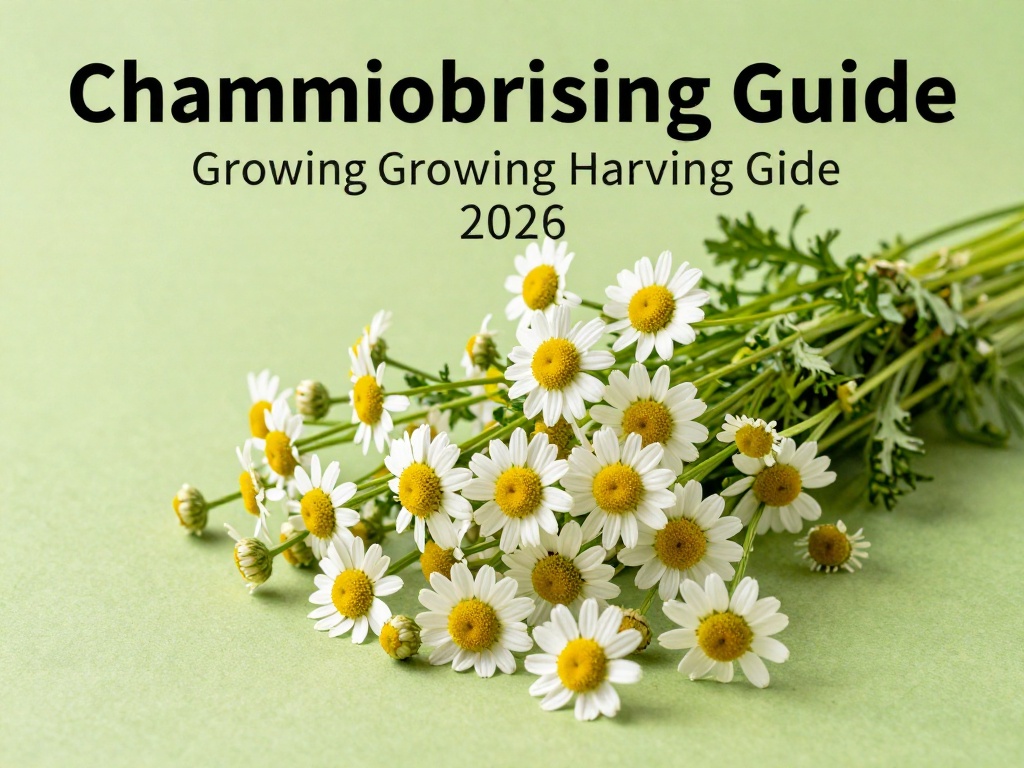
Chamomile Growing Harvesting Guide 2026: Complete Step-by-Step
Chamomile has been cherished for centuries as one of the most versatile and gentle medicinal herbs in the garden. Whether you're a complete beginner or an experienced herbalist, this comprehensive chamomile growing harvesting guide will equip you with everything you need to cultivate, care for, and harvest this remarkable plant successfully in 2026.
Why Grow Chamomile in Your Garden
Chamomile offers incredible value for gardeners seeking an easy-to-grow herb with multiple uses. This resilient plant thrives in various conditions and provides abundant harvests for tea, natural remedies, and even skincare applications. The sweet, apple-like fragrance of chamomile flowers makes it a delightful addition to any garden space.
Benefits of Growing Your Own Chamomile
- Fresh, organic chamomile for homemade tea year-round
- Natural stress relief and sleep aid from your own garden
- Companion plant that improves health of nearby vegetables
- Low-maintenance crop suitable for beginners and busy gardeners
- Attracts beneficial pollinators including bees and butterflies
Choosing the Right Chamomile Variety
Before starting your chamomile growing journey, selecting the appropriate variety for your climate and purpose is essential. Two main types dominate home gardens, each with distinct characteristics that suit different gardening situations.
German Chamomile (Matricaria chamomilla)
German chamomile is the preferred choice for most home gardeners in North America. This annual plant grows up to 2 feet tall and produces abundant flowers throughout the growing season. German chamomile offers higher essential oil content, making it ideal for therapeutic applications and potent tea blends.
Roman Chamomile (Chamaemelum nobile)
Roman chamomile serves as an excellent perennial ground cover option for small spaces and containers. While less vigorous than its German cousin, Roman chamomile provides a fragrant lawn alternative and works beautifully as border edging. This variety thrives in zones 4-9 and returns year after year with minimal care.
Step-by-Step Chamomile Growing Instructions
When and Where to Plant Chamomile
Timing your planting correctly ensures strong germination and robust growth. Chamomile grows best when sown directly outdoors in early spring, approximately 2-3 weeks before the last expected frost date. The plant prefers full sun exposure but tolerates partial shade, making it adaptable to various garden layouts.
Select a planting location with well-draining soil and good air circulation. Chamomile prefers moderately fertile soil and actually produces more concentrated essential oils in less-rich conditions. Avoid overly damp areas, as waterlogged soil promotes root rot and fungal problems.
Planting Chamomile Seeds
Chamomile seeds require light for successful germination, so never bury them deeply. Sprinkle seeds directly onto prepared soil and press gently into the surface without covering. Space rows approximately 6-8 inches apart, as mature plants need room for air flow.
Maintain consistent moisture during the 7-14 day germination period. Once seedlings develop their second set of true leaves, thin them to stand 2-4 inches apart. This spacing prevents overcrowding while maximizing your growing area efficiently.
Care Tips for Thriving Chamomile Plants
Established chamomile requires remarkably little intervention to flourish. Water deeply but infrequently, providing approximately 1 inch of water weekly during dry periods. Allow the soil to dry slightly between waterings to prevent moisture-related issues that commonly affect herbs grown in containers.
Chamomile generally thrives without heavy fertilization. If your soil is extremely poor, apply a diluted balanced fertilizer once monthly during active growth. Over-fertilization leads to lush foliage at the expense of flower production, reducing your harvest significantly.
Managing Pests and Problems Organically
Chamomile naturally resists most common garden pests, making it an excellent choice for organic gardens. Occasionally, aphids or spider mites may appear, particularly during hot, dry weather. Spray affected plants with a strong stream of water or apply neem oil for natural pest control without harmful chemicals.
Fungal diseases occasionally occur in humid conditions or when plants are overcrowded. Prevent problems by maintaining proper spacing, ensuring adequate air circulation, and watering at soil level rather than overhead. Remove affected plant material promptly to prevent spread.
When and How to Harvest Chamomile
Proper harvesting technique dramatically impacts both the quantity and quality of your chamomile yield. Understanding the optimal harvest window ensures maximum potency and flavor in your finished product. This critical step separates successful chamomile growers from those disappointed with weak results.
Identifying Perfect Harvest Timing
Chamomile flowers reach peak potency when the petals are fully expanded and beginning to turn slightly downward. Harvest on a dry morning after dew has evaporated but before afternoon heat diminishes essential oils. Avoid harvesting immediately after rain, as wet flowers are prone to browning during drying.
The ideal harvest window typically arrives 60-90 days after planting, depending on your variety and growing conditions. German chamomile produces continuous blooms throughout summer, allowing multiple harvests from the same plants. Check plants daily during peak season, as flowers can quickly progress past optimal maturity.
Proper Harvesting Technique
Gently pinch or snip flower heads with a small portion of stem attached. Harvest individual flowers as they mature rather than collecting entire plants at once. This selective harvesting approach encourages continued production throughout the growing season, significantly increasing your total yield.
Work methodically through your plants, selecting only fully open flowers. Immature buds contain lower concentrations of beneficial compounds and will not dry properly. A good harvesting session should yield enough fresh flowers to fill one or two baskets, providing ample material for drying and storage.
Drying and Storing Your Chamomile Harvest
Preserving your chamomile correctly maintains the therapeutic properties and delicate flavor that make homegrown chamomile superior to store-bought alternatives. Proper drying techniques prevent mold, preserve essential oils, and ensure months of enjoyment from your harvest.
Methods for Drying Chamomile Flowers
Air drying remains the simplest and most effective method for preserving chamomile at home. Spread freshly harvested flowers in a single layer on clean screens, cheesecloth, or paper towels placed in a warm, dry location away from direct sunlight. Maintain good air circulation and stir flowers daily for even drying.
Alternatively, use a dehydrator set to 95-115°F (35-46°C) for faster results. Spread flowers in a single layer on dehydrator trays and dry for 2-4 hours until completely crisp. Check frequently to prevent overdrying, which damages delicate essential oils and reduces therapeutic value.
Proper Storage for Long-Term Freshness
Store fully dried chamomile in airtight glass containers kept in a cool, dark location. Properly stored chamomile maintains potency for 12-18 months. Label containers with the harvest date to track freshness. Avoid plastic bags or containers, as these can trap moisture and lead to mold development.
For the freshest possible tea, consider freezing some flowers in ice cube trays with water. These chamomile ice cubes dissolve in hot water for an exceptionally aromatic cup of tea that rivals freshly picked flowers.
Using Your Homegrown Chamomile
The applications for homegrown chamomile extend far beyond simple tea. This versatile herb serves countless purposes in the kitchen, medicine cabinet, and household, making your gardening efforts incredibly rewarding. Understanding various preparation methods helps you maximize the value of every harvest.
Preparing Chamomile Tea
Steep 1-2 teaspoons of dried chamomile flowers in 8 ounces of boiling water for 5-10 minutes. Longer steeping produces stronger tea with more pronounced therapeutic effects. Add honey or lemon to taste, or enjoy plain to experience the full, subtle flavor profile of your carefully grown herbs.
Other Ways to Enjoy Chamomile
- Create infused oils for massage and skincare routines
- Add to bathwater for relaxation and skin softening
- Incorporate into homemade soaps and lotions
- Use as a gentle sleep aid in evening routines
- Make chamomile tinctures for concentrated herbal remedies
Troubleshooting Common Chamomile Growing Problems
Even with excellent care, occasional challenges arise when growing chamomile. Recognizing symptoms early and implementing appropriate solutions ensures continued plant health and productive harvests. Prevention through proper cultural practices remains the most effective approach to avoiding most problems.
Frequent Issues and Solutions
Leggy, weak growth typically indicates insufficient light or overcrowding. Relocate plants to sunnier positions or thin seedlings to improve air circulation and light penetration. Plants leaning toward light sources should be rotated regularly for even, balanced growth.
Yellowing leaves often suggest overwatering or nutrient deficiency. Allow soil to dry appropriately between waterings and check that containers have adequate drainage holes. If plants appear pale despite proper watering, apply a light application of balanced fertilizer to address potential nutrient depletion.
Final Tips for Successful Chamomile Growing
Chamomile rewards patient gardeners with generous harvests and minimal demands. Start with quality seeds from reputable suppliers to ensure strong, true-to-type plants. Keep detailed records of planting dates, weather conditions, and harvest yields to refine your techniques year after year.
Consider growing chamomile in containers on patios, balconies, or sunny windowsills if garden space is limited. Container growing provides excellent drainage and allows you to move plants to optimize sun exposure throughout the season. This approach works particularly well for Roman chamomile used as ornamental ground cover.
Share surplus harvests with friends, family, or local herbalist communities. Fresh, locally grown chamomile makes a thoughtful and sustainable gift that showcases your gardening skills while promoting natural wellness alternatives to processed products.
FAQ
How long does it take to grow chamomile from seed?
Chamomile seeds typically germinate within 7-14 days under optimal conditions. Plants reach maturity and begin producing harvestable flowers approximately 60-90 days after planting, depending on variety and growing conditions. German chamomile provides continuous blooms throughout summer, allowing extended harvesting periods.
Can chamomile grow in containers or small spaces?
Absolutely! Chamomile adapts excellently to container gardening in small spaces, on balconies, or patios. Use pots with adequate drainage holes and quality potting mix. Both German and Roman chamomile varieties thrive in containers when given sufficient sunlight and appropriate watering schedules.
What are the most common mistakes when growing chamomile?
Common mistakes include overwatering, planting seeds too deeply (they need light to germinate), waiting too long to harvest flowers, and choosing inappropriate varieties for your climate zone. Avoiding these errors significantly increases your chances of successful chamomile cultivation.
How often should chamomile be watered?
Water chamomile deeply once weekly, providing approximately 1 inch of water. Allow soil to dry slightly between waterings rather than maintaining constantly moist conditions. Container-grown chamomile may require more frequent watering during hot, dry periods, especially in summer.
When is the best time of day to harvest chamomile?
The optimal harvest time is a dry morning after morning dew has evaporated but before afternoon heat arrives. Harvesting during this window ensures flowers contain maximum essential oil concentration. Never harvest wet flowers, as they brown during drying and develop mold more easily.
How do I know if my chamomile is ready to harvest?
Flowers are ready when petals are fully expanded and beginning to arch slightly backward from the center disk. The center should appear dome-shaped and full. Avoid harvesting flowers with flat petals or those that have begun developing seed heads, as these contain less beneficial compounds.
Can chamomile be grown indoors year-round?
Yes, chamomile grows successfully indoors with adequate light. Position plants near south-facing windows receiving 6+ hours of direct sunlight daily. Supplement with grow lights if natural light is insufficient. Indoor chamomile produces smaller harvests but provides fresh flowers for tea during winter months.
0 Response to "Chamomile Growing Harvesting Guide 2026: Complete Step-by-Step"
Post a Comment