
Fermented Plant Extract Fertilizer Homemade: 2026 Guide
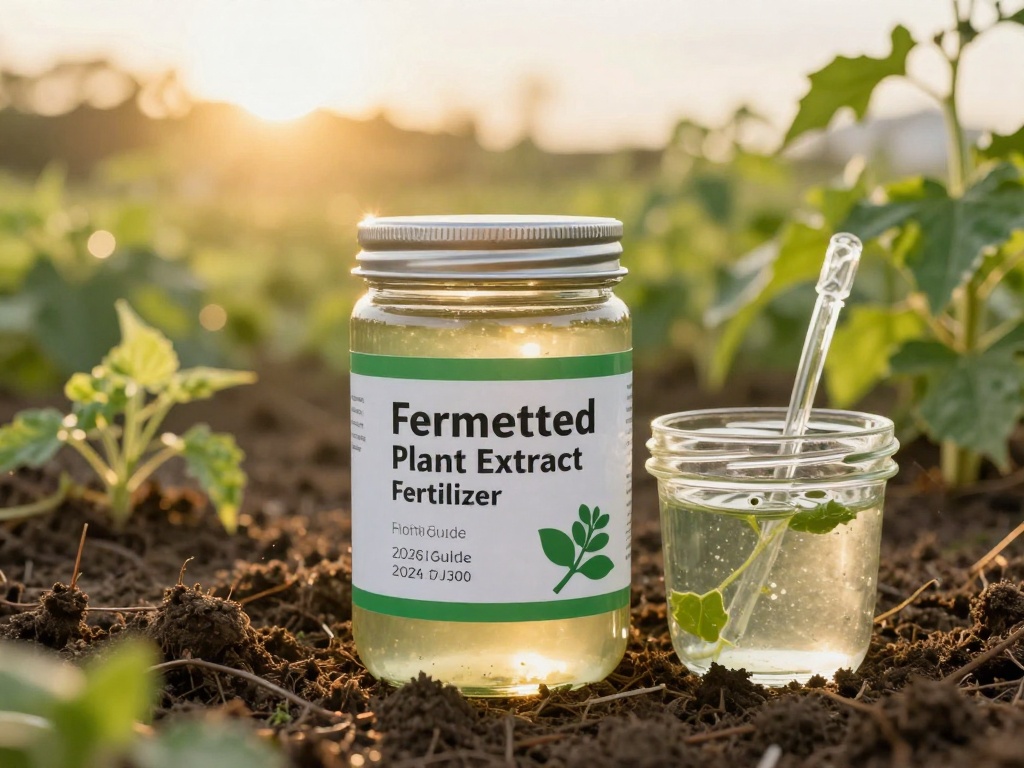
Fermented Plant Extract Fertilizer Homemade: 2026 Guide
Making your own fermented plant extract fertilizer at home represents one of the most cost-effective and environmentally friendly approaches to nourishing your garden. This natural method transforms ordinary plant materials into nutrient-rich liquid fertilizer that your plants will absolutely love. Whether you grow vegetables, fruits, or ornamental plants, fermented extracts deliver essential nutrients directly to the soil microbiome. In this comprehensive guide, you will discover exactly how to create this powerful organic fertilizer using simple ingredients found in your own backyard.
What Is Fermented Plant Extract Fertilizer?
Fermented plant extract fertilizer is a liquid preparation made by fermenting fresh plant materials in water with beneficial microorganisms. This process extracts nutrients, enzymes, and growth hormones from plants while creating a probiotic-rich solution that enhances soil biology. The fermentation breaks down plant cells and releases valuable compounds that become immediately available to your crops. Unlike synthetic fertilizers, this homemade approach feeds the soil ecosystem rather than just the plants themselves.
Benefits of Fermented Plant Extracts for Your Garden
- Significantly reduces fertilizer costs compared to store-bought products
- Contains diverse micronutrients that synthetic fertilizers lack
- Improves soil structure and beneficial microbial activity
- Safe for the environment and non-toxic to pets or children
- Can be made from garden waste, turning trash into treasure
Materials Needed for Homemade Fermented Fertilizer
Before you begin, gather these essential materials for a successful fermentation process. Having everything prepared ensures smooth execution and optimal results for your plants.
Base Ingredients
- Fresh plant materials (weeds, grass clippings, comfrey leaves)
- Water (preferably rainwater or filtered water)
- Brown sugar, molasses, or jaggery
- Clay pot or plastic bucket with lid
- Cheesecloth or breathable fabric for covering
Equipment Recommendations
For beginners, a 5-gallon bucket works perfectly for small-scale gardening projects. Choose containers made from food-grade plastic or ceramic to avoid chemical leaching. A wooden stir stick helps aerate the mixture during fermentation. Keep a spray bottle handy for applying diluted fertilizer to plant leaves.
Step-by-Step Fermentation Process
Follow these precise steps to create high-quality fermented plant extract fertilizer that rivals commercial products in effectiveness and nutritional value.
Step 1: Harvest and Prepare Plant Materials
Collect fresh, young plant materials from your garden or local area. Excellent choices include stinging nettle, comfrey, dandelion leaves, yarrow, and fresh grass clippings. Avoid using diseased plants or those treated with pesticides. Chop the materials into small pieces to increase surface area and speed up fermentation. Fill your container with roughly 1 kilogram of chopped plant material per 10 liters of water.
Step 2: Create the Fermentation Solution
Dissolve 100 grams of brown sugar or molasses in warm water before adding it to your plant material mixture. The sugar serves as food for beneficial bacteria and yeast during the fermentation process. Pour the sugar solution over the chopped plants until they are fully submerged. The sugar-to-plant ratio ensures proper fermentation without spoilage.
Step 3: Fermentation and Waiting Period
Cover the container loosely with cheesecloth to allow gases to escape while preventing insects from entering. Place the bucket in a warm, shaded location with temperatures between 20-30°C. The fermentation typically takes 7-14 days depending on temperature and materials used. Stir the mixture once daily to release trapped gases and promote even fermentation.
Step 4: Harvesting and Straining
After fermentation completes, the liquid will turn dark brown with a pleasant earthy smell. Strain the liquid through fine mesh or cheesecloth into a storage container. The solid remnants make excellent compost or can be added directly to your garden beds. Store the liquid fertilizer in a cool, dark place or use immediately for best results.
Application Methods for Maximum Effectiveness
Proper application ensures your fermented plant extract fertilizer delivers maximum benefits to your garden while preventing plant damage from over-concentration.
Soil Drenching Technique
Dilute the fermented extract at a ratio of 1:10 with water for soil application around plant roots. Apply this solution every 2-3 weeks during the growing season for consistent nutrition. Pour the mixture at the base of plants, avoiding direct contact with leaves to prevent potential burning. This method works exceptionally well for vegetables, herbs, and flowering plants.
Foliar Spray Application
For foliar feeding, dilute the extract at 1:20 ratio and spray directly onto plant leaves early morning or evening. Foliar application provides rapid nutrient absorption through leaf stomata. This technique proves particularly valuable for correcting micronutrient deficiencies quickly. Strain the solution thoroughly before using in a spray bottle to prevent nozzle clogging.
Best Plants for Fermented Fertilizer
While most plants benefit from organic fertilization, certain crops respond exceptionally well to fermented plant extracts and show remarkable growth responses.
Heavy Feeders
Tomatoes, corn, squash, and cabbage thrive with regular fermented fertilizer applications throughout the season. These nutrient-demanding crops benefit from the balanced nutrition and soil微生物 support that fermented extracts provide. Apply every 10-14 days during active growth and fruiting stages for optimal production.
Root Vegetables
Carrots, beets, radishes, and potatoes develop better flavor and texture when grown with organic fertilizers. The slow-release nature of fermented extracts supports steady root development without excessive top growth. Begin applications once plants establish true leaves and continue through root enlargement.
Troubleshooting Common Fermentation Problems
Occasionally, fermentation issues arise that require adjustment to your process. Understanding these problems helps you correct them quickly and maintain consistent quality.
Foul Odor Solutions
If your fermentation develops a putrid smell instead of the pleasant earthy aroma, oxygen exposure likely caused unwanted bacterial growth. Add more sugar and ensure the plant material remains submerged below the water surface. A proper fermentation should smell tangy and pleasant, similar to pickled vegetables.
Slow Fermentation
Cold temperatures or low sugar content commonly cause sluggish fermentation. Move the container to a warmer location and add additional sugar to restart microbial activity. Using a starter culture from a successful previous batch accelerates fermentation significantly.
Storing Your Homemade Fertilizer
Proper storage extends the shelf life of your fermented fertilizer while maintaining its nutritional value and beneficial properties for future use.
Keep the liquid fertilizer in tightly sealed containers away from direct sunlight to preserve potency. Refrigeration is not necessary but extends usability for several months. Shake well before each use as natural settling occurs during storage. Some gardeners prefer to keep the container slightly open to allow continued gentle fermentation.
Frequently Asked Questions
How long does homemade fermented plant fertilizer last?
Properly stored fermented plant extract fertilizer remains effective for 3-6 months. The acidic environment created during fermentation naturally preserves the solution. Signs of expiration include loss of smell, visible mold, or extreme dilution when applied.
Can I use fermented fertilizer on seedlings?
Seedlings and young transplants benefit from diluted fermented fertilizer at 1:20 ratio. Start with this weaker concentration and gradually increase strength as plants mature. Over-fertilizing seedlings causes salt buildup that damages delicate root systems.
What plants should I avoid fermenting for fertilizer?
Avoid using poisonous plants like oleander, poison ivy, or hemlock as these may contain harmful compounds. Plants from the nightshade family including tomatoes and potatoes work better as finished compost rather than fresh ferment. Stick to common garden weeds and nutrient-rich plants like comfrey and nettles.
How often should I apply fermented plant extract fertilizer?
For most vegetables and flowers, apply fermented fertilizer every 2 weeks during the growing season. Heavy feeders like corn and squash may need weekly applications. During dormant winter months, reduce or stop applications entirely to allow plants to rest.
Is fermented fertilizer better than compost tea?
Fermented plant extract and compost tea serve different purposes in organic gardening. Fermented extracts focus on extracting growth hormones and nutrients from plants, while compost tea emphasizes multiplying beneficial soil microorganisms. Many gardeners use both methods complementarily for comprehensive soil nutrition.
Can I add other ingredients to improve my fermented fertilizer?
Adding rock dust, seaweed extract, or wood ash enhances the nutritional profile of your fermented fertilizer. Kelp provides additional growth hormones and trace minerals. Fish scraps or bone meal can increase nitrogen content for leafy plant applications. Always research ingredient compatibility before combining.
0 Response to "Fermented Plant Extract Fertilizer Homemade: 2026 Guide"
Post a Comment