
Greenhouse Soil Steam Sterilization Methods: 2026 Guide
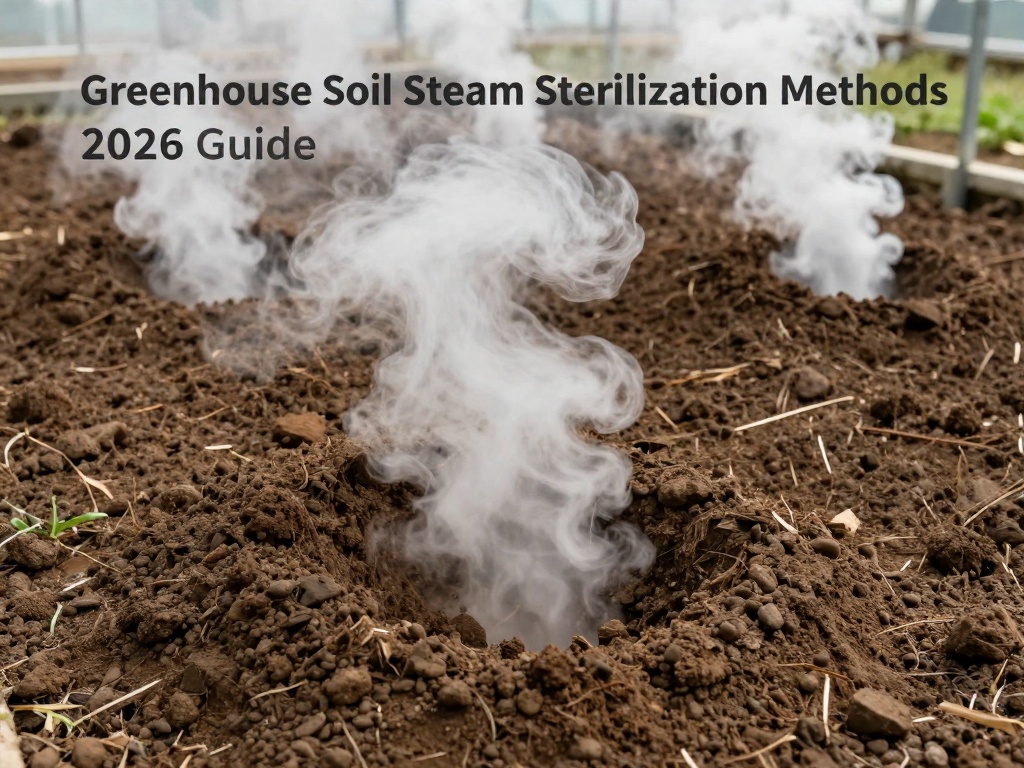
Greenhouse Soil Steam Sterilization Methods: 2026 Guide
Greenhouse soil steam sterilization methods have become essential for commercial growers and hobbyists seeking natural, chemical-free ways to eliminate soil-borne pathogens. This comprehensive guide covers proven steam sterilization techniques that help protect your crops while maintaining soil health and organic integrity.
Why Steam Sterilization Matters for Greenhouse Growers
Soil-borne diseases cause significant crop losses in greenhouse environments. Pathogens like Fusarium, Pythium, and Verticillium accumulate in enclosed spaces, making soil sterilization a critical practice for maintaining healthy growing conditions. Steam sterilization offers an effective, eco-friendly alternative to chemical fumigants.
Benefits of Steam Over Chemical Methods
- Zero chemical residue in soil
- Safe for organic certification requirements
- Environmentally responsible approach
- Cost-effective for long-term greenhouse management
- Preserves beneficial soil microorganisms after cooling
Core Greenhouse Soil Steam Sterilization Methods
1. Buried Pipe Method (Classic Approach)
The buried pipe method remains one of the most reliable steam sterilization techniques for greenhouse beds. Install perforated pipes horizontally at 12-inch depths beneath the soil surface, spacing them 18-24 inches apart. Connect the pipes to a steam source and maintain soil temperature at 180°F (82°C) for 30 minutes to achieve thorough sterilization. This method ensures even heat distribution across large planting areas and works exceptionally well for raised beds and permanent greenhouse installations.
2. Drum or Boiler Steam Method
For smaller greenhouse operations, the drum steam method provides excellent results with minimal equipment investment. Place a sealed drum filled with water over a heat source, then route steam through buried pipes or flexible hoses into the soil. This approach works particularly well for container gardening setups and raised beds in small spaces. The method typically requires 45-60 minutes of steam application to reach sterilization temperatures throughout the soil profile.
3. Surface Cover (Tarpaulin) Method
The surface cover technique offers simplicity and effectiveness for flat greenhouse beds. Cover prepared soil with heavy-duty tarpaulin or steam-resistant sheets, sealing the edges with soil or weighted boards. Inject steam beneath the cover using perforated pipes or a steam injector probe. The trapped steam creates a sauna-like environment that penetrates soil to effective sterilization depths. This method proves especially useful for temporary sterilization between planting seasons.
4. Electric Steam Generators
Modern electric steam generators provide precise temperature control and convenient operation for greenhouse soil steam sterilization methods. These units connect directly to water supplies and deliver consistent steam output without open flames or fuel handling. Electric systems work excellently for year-round operations where frequent sterilization is needed, offering automated monitoring and safety shutoff features.
Step-by-Step Steam Sterilization Process for Beginners
Preparing Your Greenhouse Soil
Proper preparation ensures maximum effectiveness of your steam sterilization efforts. Remove all plant debris, roots, and organic matter from the soil surface. Break up compacted areas and achieve uniform soil texture throughout the treatment zone. Moisten the soil slightly—this improves heat conductivity and ensures steam penetrates evenly throughout the profile.
Monitoring Temperature and Timing
Insert soil thermometers at multiple points: surface, mid-depth, and deepest root zone. Maintain consistent 180°F (82°C) temperatures for the full duration—typically 30-45 minutes depending on soil volume. Inadequate temperature or insufficient timing results in incomplete sterilization, leaving harmful pathogens viable in the soil profile.
Post-Sterilization Care
Allow soil to cool completely before planting—usually 24-48 hours depending on ambient conditions. Avoid recontamination by using sterilized tools and clean planting materials. Consider introducing beneficial microorganisms through compost tea applications to repopulate the soil ecosystem after sterilization.
Equipment Requirements and Cost Considerations
Investment in proper equipment ensures successful implementation of greenhouse soil steam sterilization methods. Basic setups require a steam source (electric generator, propane burner, or boiler), distribution pipes, temperature monitoring equipment, and insulating covers. Initial costs range from $500-2,000 for DIY systems, while commercial units range from $3,000-10,000 depending on capacity and features.
Cost-Effectiveness Analysis
When calculating return on investment, consider avoided costs of chemical fumigation ($200-500 per application), lost crops from soil-borne disease, and replacement soil purchases. Most commercial greenhouses recover equipment costs within 2-3 growing seasons through improved yields and reduced pest management expenses.
Common Mistakes to Avoid
- Insufficient sterilization time below recommended 30-minute threshold
- Using temperatures exceeding 200°F, which damages soil structure
- Failing to achieve proper seal when using surface cover methods
- Sterilizing overly wet or dry soil, reducing heat penetration
- Not allowing adequate cooling time before replanting
Seasonal Timing and Frequency Recommendations
Schedule steam sterilization between cropping cycles, ideally 2-4 weeks before planting. Annual sterilization works well for most greenhouse operations with crop rotation. High-value crop production or severe disease pressure may require sterilization between each crop cycle. Spring preparation and fall cleanout represent optimal timing for most growing regions.
Comparing Steam Methods: Which Approach Suits Your Operation?
Buried pipe systems excel for permanent greenhouse installations with frequent sterilization needs. Surface cover methods offer flexibility for operations with varying bed layouts. Electric generators suit urban farms and small-space growers prioritizing convenience. Choose the method aligning with your operation's scale, budget, and frequency requirements for optimal results.
FAQ
How long does steam sterilization take to complete?
Actual steam application typically requires 30-60 minutes at target temperature. Including preparation and cooling time, budget 2-3 days total for a complete sterilization cycle. Larger soil volumes may require extended application times for thorough heat penetration.
Can I use steam sterilization in containers and pots?
Yes, container sterilization works well using steam chambers or pressure cookers for small batches. Place containers in a sealed environment with steam injection and maintain sterilization temperatures for 30 minutes. This method works excellently for seed starting containers and small potted plant operations.
Does steam sterilization kill beneficial soil organisms?
Steam sterilization eliminates both harmful and beneficial microorganisms. However, beneficial bacteria, fungi, and protozoa recolonize rapidly from surrounding areas once soil cools. Applying compost tea or beneficial microbe solutions after cooling helps restore healthy soil biology.
What temperature is required for effective soil sterilization?
Maintain soil temperatures between 180-200°F (82-93°C) for 30 minutes minimum. Use multiple thermometers to verify temperatures throughout the soil profile. This range effectively eliminates most weed seeds, fungal pathogens, bacteria, and nematodes without damaging soil structure.
Is steam sterilization safe for organic greenhouse certification?
Yes, steam sterilization qualifies as an acceptable method under USDA National Organic Program regulations. Unlike chemical fumigants containing prohibited substances, steam represents a physical, non-chemical approach to soil disinfestation that maintains organic certification compliance.
What is the expected cost savings compared to chemical fumigation?
While initial equipment investment runs higher, steam sterilization eliminates ongoing chemical purchases ($200-500 per application). Most operations achieve break-even within 2-3 years. Additionally, steam-treated soil maintains better long-term structure and biological activity, reducing fertilizer costs and improving crop quality.
Can steam sterilization be combined with other pest management practices?
Absolutely. Steam sterilization integrates well with crop rotation, resistant variety selection, and biological control applications. Combining methods reduces reliance on any single approach and creates more robust integrated pest management systems for sustainable greenhouse production.
0 Response to "Greenhouse Soil Steam Sterilization Methods: 2026 Guide"
Post a Comment