
Nitrogen Fixing Crops Soil Health: 2026 Complete Grower's Guide
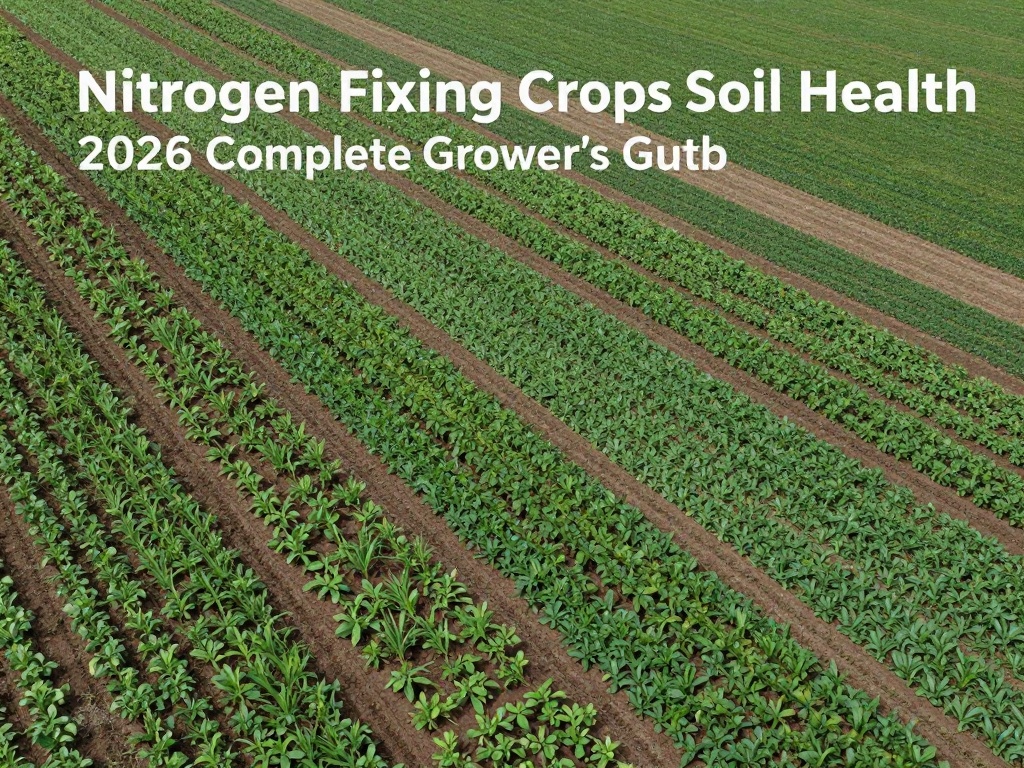
Nitrogen Fixing Crops Soil Health: 2026 Complete Grower's Guide
Nitrogen fixing crops soil health is one of the most important relationships in sustainable agriculture. For gardeners and farmers looking to reduce fertilizer costs while naturally enriching their land, understanding how these remarkable plants work is essential. This 2026 guide walks you through everything you need to know about using nitrogen-fixing crops to transform your soil health, whether you're working in raised beds, small spaces, or large-scale operations.
How Nitrogen Fixation Works in Soil
Plants cannot directly use atmospheric nitrogen, even though it makes up about 78% of the air we breathe. Nitrogen fixing crops solve this problem through a fascinating biological partnership. These plants form specialized structures called nodules on their roots, which house beneficial bacteria capable of converting atmospheric nitrogen into a form plants can actually use.
The Role of Rhizobia Bacteria
Rhizobia bacteria are the microscopic workhorses behind nitrogen fixation. When compatible legumes are planted in soil containing these bacteria, the roots release compounds that attract them. The bacteria then infect the root hairs, triggering the formation of nodules. Inside these nodules, the bacteria convert atmospheric nitrogen (N2) into ammonia (NH3), which the plant immediately uses to build proteins and growth compounds. In return, the plant supplies the bacteria with carbohydrates and a protected environment.
Understanding the Nitrogen Cycle for Better Soil Health
Nitrogen fixation is just one part of the larger nitrogen cycle that governs soil health. When nitrogen-fixing crops die and decompose, the nitrogen they accumulated is released back into the soil as organic matter breaks down. This organic nitrogen then converts to ammonium and eventually nitrate through mineralization, becoming available for subsequent plantings. This natural recycling system, when properly managed, can supply a significant portion of your garden's nitrogen needs indefinitely.
Best Nitrogen Fixing Crops for Maximum Soil Benefits
Choosing the right nitrogen fixing crops depends on your climate, growing season, and specific soil goals. Different species offer varying benefits in terms of nitrogen production, biomass generation, and garden utility.
Warm-Season Legumes for High Nitrogen Production
Soybeans, cowpeas, and velvet beans are exceptional warm-season nitrogen fixing crops. Soybeans can fix 40-80 pounds of nitrogen per acre, making them excellent for building fertility in preparation for heavy-feeding crops like corn. Cowpeas thrive in hot conditions and tolerate poor soils, making them perfect for beginners seeking to improve soil health in challenging conditions. Velvet beans offer the added benefit of suppressing weeds while providing substantial ground cover.
Cool-Season Options for Extended Growing Seasons
Crimson clover, field peas, and vetch excel in cooler temperatures and can be planted in fall or early spring. Crimson clover produces stunning red flowers while fixing substantial nitrogen, and it winter-kills in harsh climates, simplifying termination. Field peas offer quick growth and can be overseeded into existing beds. Austrian winter peas tolerate light frosts and contribute significant biomass along with nitrogen when cut and incorporated into soil.
Trees and Shrubs for Long-Term Soil Improvement
For permaculture designs and agroforestry systems, consider nitrogen-fixing trees like black alder, mimosa, and tagasaste. These species develop deep root systems that mine nutrients from lower soil layers and bring them to the surface through leaf fall. Italian alder trees, for example, can fix 60-150 pounds of nitrogen annually while providing valuable timber and wind protection.
Step-by-Step Methods for Growing Nitrogen Fixing Crops
Successfully growing nitrogen fixing crops for soil health improvement requires attention to several key factors, from soil conditions to harvest timing. Follow these steps for best results whether you're gardening in containers, raised beds, or open fields.
Preparing Soil for Optimal Nodulation
Nitrogen fixing crops prefer well-drained soils with a pH between 6.0 and 7.0. Before planting, conduct a soil test to check pH and basic nutrient levels. Inoculation is crucial if you're planting legumes in new ground or areas where those specific crops haven't grown recently. Commercial rhizobial inoculants are available for most legume species—simply coat seeds with the appropriate inoculant before sowing. This step dramatically improves nodulation and nitrogen fixation, especially for beginners working in small spaces or newly established gardens.
Planting Techniques for Maximum Coverage
Sow legume seeds at a depth of 1-2 inches, spacing according to the specific crop's requirements. For cover crop applications, broadcast seeds at 1.5 to 2 times the recommended rate and rake lightly to ensure good soil contact. In raised beds, interplant legumes between rows of vegetables to maximize space utilization. The goal is to establish a dense stand that will produce abundant nodules and biomass while suppressing weeds naturally.
Managing Growth and Termination Timing
Allow nitrogen fixing crops to grow until they reach roughly 50% bloom stage, which is when nitrogen fixation peaks. For winter legumes planted in fall, plan termination for early spring before they set significant seed. Methods include mowing, crimping, or simply incorporating the green material directly into soil. This organic matter addition improves soil structure, increases water retention, and feeds beneficial soil organisms as it decomposes.
Integrating Cover Crops into Your Farming System
Cover cropping with nitrogen fixing crops represents one of the most effective organic methods for long-term soil health improvement. This natural approach reduces dependence on synthetic fertilizers while building vibrant, living soil ecosystems.
Crop Rotation Strategies
Design rotations that maximize the benefit of fixed nitrogen. Plant heavy-feeding crops like tomatoes, corn, or brassicas following nitrogen fixing crops to capture the released nitrogen. Follow these heavy feeders with light-feeding crops or another round of legumes to rebuild fertility. This three-year rotation pattern helps maintain balanced nutrient levels while disrupting pest and disease cycles naturally.
Termination and Incorporation Methods
Mechanical termination through mowing or crimping works well for most annual legumes. The key is crushing stems rather than just cutting, which ensures complete termination. For small garden beds, simply cut plants at the base and chop the foliage into the top few inches of soil. Allow 3-4 weeks between incorporation and planting sensitive crops to prevent nitrogen tie-up during decomposition. Adding some compost can help balance the carbon-to-nitrogen ratio and speed mineralization.
Measuring Improvements in Soil Health
Understanding the tangible benefits of nitrogen fixing crops helps refine your approach over time. Regular soil testing reveals nitrogen levels, pH changes, and organic matter improvements.
Testing Methods and Interpretation
Conduct soil tests at least annually, ideally in early spring before planting. Look for increases in organic matter percentage and available nitrogen levels over multiple seasons. The Haney test provides a more complete picture of soil health by measuring active carbon and biological activity alongside traditional nutrient levels. Visual indicators like improved soil color, better drainage, and increased earthworm populations also signal success.
Long-Term Benefits Beyond Nitrogen
While nitrogen contribution is significant, nitrogen fixing crops offer additional soil health advantages. Their extensive root systems improve soil structure and create channels for water infiltration. Legume residue decomposes relatively quickly, adding organic matter efficiently. Some species, like sweet clover, produce deep taproots that break up compaction layers. These combined benefits compound over seasons, leading to increasingly resilient and productive soil.
Common Mistakes to Avoid
Even experienced growers sometimes undermine their soil health efforts with nitrogen fixing crops. Avoid letting legumes set mature seed, as this depletes stored nitrogen and can lead to volunteer plants in subsequent seasons. Don't terminate cover crops too early, as premature cutting reduces both nitrogen content and biomass volume. Finally, avoid planting legumes too deeply or in waterlogged soil, as both conditions inhibit nodulation and can cause crop failure.
FAQ: Nitrogen Fixing Crops and Soil Health
How much nitrogen can nitrogen fixing crops add to soil?
Well-managed legume cover crops typically add 50-200 pounds of nitrogen per acre annually, depending on species, growing conditions, and management. Crimson clover might contribute 70-130 pounds, while hairy vetch can add 100-200 pounds per acre. Actual available nitrogen varies based on termination timing, residue management, and soil temperature.
Do I need to inoculate legume seeds every year?
Inoculation is most critical when first establishing legumes in new soil or growing a legume species for the first time in that location. Once established, beneficial rhizobia persist in soil for 3-5 years or longer. For insurance, especially with valuable crops, inoculation is inexpensive and ensures optimal nodulation regardless of existing bacterial populations.
Can nitrogen fixing crops be grown in containers?
Absolutely! Compact varieties like bush beans, dwarf peas, and determinate soybeans thrive in containers and raised beds. Use quality potting mix, ensure adequate drainage, and don't forget to inoculate seeds for best results. Container-grown legumes still contribute nitrogen through their trimmed roots and foliage.
When is the best time to plant nitrogen fixing cover crops?
Timing depends on your climate and goals. For fall planting in temperate regions, sow 4-6 weeks before first expected frost to allow establishment. Spring-planted legumes go in as soon as soil can be worked. Summer planting suits quick-growing species like cowpeas after early vegetable harvests. Match planting dates to your local frost calendar and growing season length.
How long does it take to see improvements in soil health?
Initial benefits like improved soil structure and initial nitrogen contributions appear within one growing season. Significant organic matter increases typically require 2-3 years of consistent cover cropping. Long-term soil health improvements compound over 5-10 years, resulting in dramatically more productive, resilient soil that requires fewer amendments and less irrigation.
What's the difference between green manure and cover crops?
Green manure specifically refers to growing crops specifically to incorporate into soil for fertility, while cover crops primarily protect soil from erosion and suppress weeds. Many nitrogen fixing crops serve dual purposes as both green manure and cover crops. The distinction matters mainly for planning—green manure crops receive more attention to termination timing and incorporation methods.
Can I grow nitrogen fixing crops alongside regular vegetables?
Yes, this technique called interplanting or companion planting works well. Space vegetables according to their normal requirements while undersowing with clover or vetch. The legumes fill gaps, suppress weeds, and fix nitrogen between vegetable rows. Alternatively, plant legumes as a living mulch that can be managed around your main crops. This approach maximizes production in small spaces while continuously building soil health.
0 Response to "Nitrogen Fixing Crops Soil Health: 2026 Complete Grower's Guide"
Post a Comment