
Perennial Food Forest Establishment: 2026 Complete Guide
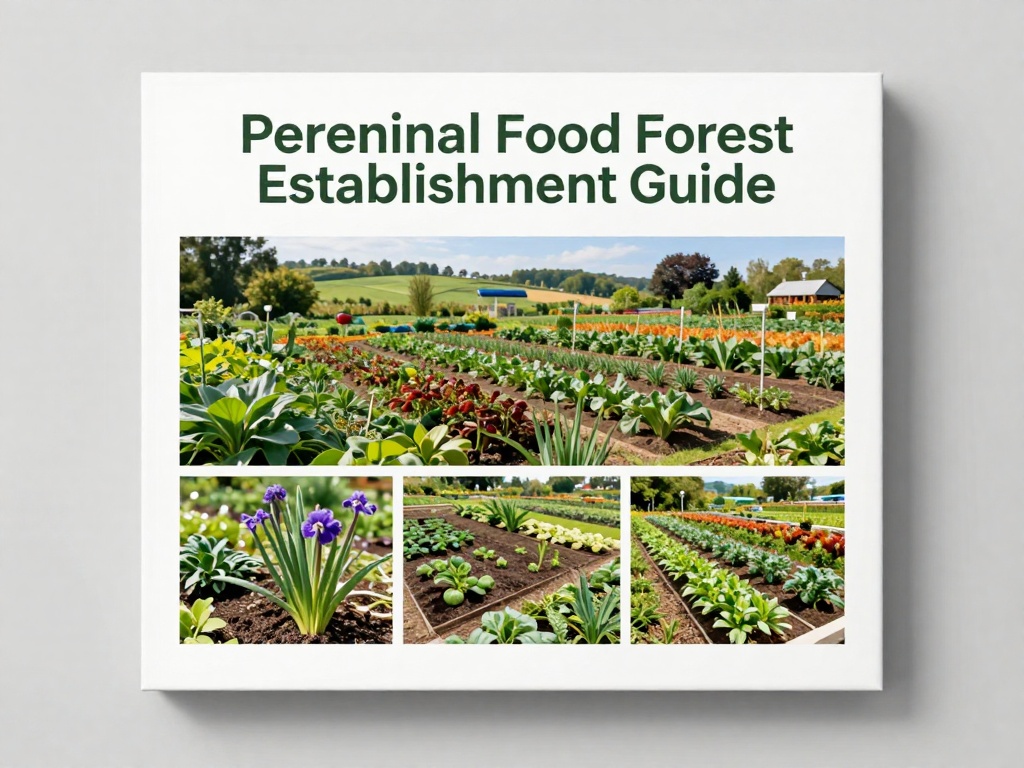
Perennial Food Forest Establishment: 2026 Complete Guide
A perennial food forest represents one of the most rewarding approaches to sustainable agriculture, offering gardeners and landowners a self-sustaining ecosystem that produces food year after year with minimal maintenance. This comprehensive establishment guide walks you through every step of creating your own thriving food forest, from initial planning through long-term maintenance. Whether you are working with a small backyard or managing a larger property, this step-by-step approach will help you establish a productive perennial food forest that benefits both your table and the environment.
What is a Perennial Food Forest?
A perennial food forest is a designed agricultural ecosystem modeled after natural forest structures, featuring multiple layers of edible and useful plants that work together symbiotically. Unlike conventional annual gardens that require replanting each season, a properly established food forest continues producing harvest year after year with dramatically reduced inputs. This organic method mimics woodland edge ecosystems, incorporating fruit and nut trees as canopy layer, berry bushes as understory, herbaceous perennials as ground cover, and root vegetables filling the soil layer. The result is a resilient, low-maintenance food production system that improves soil health, supports biodiversity, and provides abundant harvests throughout the growing season and beyond.
Benefits of Establishing a Perennial Food Forest
Transitioning to perennial food forest systems offers remarkable advantages for both growers and the environment. Once established, these systems require significantly less labor than annual vegetable gardens, as there is no need for yearly tillage, planting, or soil preparation. The deep-rooted perennial plants improve soil structure, prevent erosion, and increase water retention, reducing the need for irrigation. Additionally, these diverse plantings support beneficial insects, pollinators, and wildlife, creating a thriving ecosystem in your own backyard. The long-term yield per square foot often exceeds conventional gardening while inputs decrease over time, making food forest establishment an excellent investment for food security and self-sufficiency.
Step-by-Step Food Forest Establishment Process
1. Site Assessment and Planning
Before breaking ground, spend time observing your site through all seasons to understand sun patterns, drainage, wind exposure, and existing vegetation. Most food forest plants thrive in full sun to partial shade conditions with well-drained soil, though specific plant selections can accommodate various site conditions. Map your property noting microclimates, low spots that hold water, frost pockets, and areas with different sun exposures. This planning phase determines which plants will succeed in each zone of your future food forest, preventing costly mistakes during establishment.
2. Soil Preparation and Amendment
While healthy soil biology will develop over time as your food forest matures, initial soil preparation sets the foundation for vigorous plant growth. Conduct a soil test to determine pH and nutrient levels, then amend according to results using organic materials like compost, aged manure, and mineral amendments. In poor soils, consider creating raised beds or hugelkultur mounds for the establishment phase, gradually expanding into surrounding areas as organic matter accumulates. Avoid heavy tilling, which disrupts soil structure and beneficial fungal networks that your perennials will depend upon.
3. Selecting and Positioning Plants
Choose plants suited to your climate zone and specific site conditions, prioritizing disease-resistant varieties from reputable nurseries. Position taller canopy species like fruit and nut trees toward the north side to prevent shadowing smaller plants. Layer your food forest from tallest to shortest, working backward from north to south: canopy trees, sub-canopy trees, shrubs, herbaceous perennials, ground covers, and root crops. Include nitrogen-fixing plants throughout the system to naturally fertilize surrounding crops and build soil fertility without synthetic inputs.
4. Planting Techniques for Maximum Success
Plant establishment proceeds most successfully when conducted during appropriate dormant seasons, typically late fall in mild climates or early spring before new growth begins. Dig planting holes twice as wide as root systems but no deeper than the original container, positioning plants so the root crown sits at or slightly above soil level. Backfill with native soil amended with compost, water thoroughly to settle soil around roots, and apply thick mulch to retain moisture and suppress competing vegetation. Space plants to allow for mature sizes, remembering that dense planting reduces weed pressure while companion plants support each other's growth.
5. Establishment Care and Maintenance
During the first three years of establishment, consistent attention ensures your food forest develops into a productive, resilient ecosystem. Provide supplemental water during dry periods, especially during summer months before root systems establish fully. Hand-weed competing vegetation within a three-foot radius of each plant until they establish and outcompete weeds themselves. Apply organic mulch annually to maintain soil moisture and continuously feed soil biology. Avoid chemical pesticides and synthetic fertilizers that harm beneficial organisms; instead, trust the developing ecosystem to balance itself over time.
Best Perennial Crops for Food Forest Establishment
Successful food forests feature carefully selected perennials that provide reliable harvests while supporting overall system health. Fruit trees including apple, pear, plum, cherry, fig, and citrus provide long-term canopy production, while nut trees like almond, walnut, and hazelnut offer high-value harvests with excellent storage potential. Berry bushes including blueberry, raspberry, blackberry, currant, and gooseberry fill the shrub layer with abundant yields. Herbaceous perennials such as asparagus, rhubarb, artichoke, and multiplying onions provide seasonal harvests, while perennial greens like sorrel, kale, and chard offer continuous nutrition throughout the growing season.
Common Mistakes to Avoid in Food Forest Establishment
New food forest growers frequently encounter preventable challenges that delay or compromise their results. Planting too few species or relying on a narrow genetic base creates vulnerability to pests and diseases that can devastate entire systems. Overcrowding plants is perhaps the most common error; always research mature sizes and provide adequate spacing even if your plants look small initially. Neglecting the nitrogen-fixing component reduces overall system productivity and requires external fertilization to maintain plant health. Finally, abandoning traditional garden expectations and embracing the wild, self-regulating nature of food forests leads to greater long-term satisfaction with your establishment.
Long-Term Management for Sustainable Production
After the establishment period concludes, typically three to five years, your food forest enters a maintenance phase requiring progressively less intervention. Annual tasks include light pruning of fruit trees, harvesting, and perhaps adding fresh mulch or compost to specific areas. The system increasingly manages itself as ground covers shade out weeds, beneficial insects keep pest populations in balance, and soil biology processes organic matter into plant-available nutrients. Embrace the seasons of your food forest, understanding that some years offer abundant harvests while others provide rest and recovery, all contributing to the long-term sustainability of this remarkable approach to food production.
FAQ
How long does it take to establish a productive perennial food forest?
While you can harvest some crops within the first year from herbaceous perennials and small fruits, a truly productive multi-layered food forest typically requires three to five years to reach significant production levels. Canopy fruit and nut trees may take five to ten years before bearing substantial harvests, but the long-term payoff is decades of production with minimal annual inputs once established.
What is the ideal size for a beginner food forest?
Food forests can succeed in remarkably small spaces, even as small as 100 square feet, though 500 to 1000 square feet provides room for meaningful variety and multiple harvest seasons. Start smaller than you think you need, master that space, then expand gradually. Even a small food forest in containers or raised beds on a patio can produce significant harvests using these establishment principles.
How much does it cost to establish a perennial food forest?
Initial establishment costs vary widely depending on plant selection, whether you start from seeds or transplants, and whether you do the work yourself or hire help. A modest backyard food forest might cost $200 to $500 in plants and materials, while larger-scale establishment could require several thousand dollars. However, ongoing costs drop dramatically after establishment, making food forests extremely economical over a five to ten year horizon compared to annual gardening.
What are the easiest perennial crops for beginners to start with?
Rhubarb, asparagus, berries (especially raspberries and currants), and perennial herbs like mint, oregano, and chives offer the most forgiving establishment experiences. These plants tolerate a range of conditions, establish quickly, and provide harvests even with minimal maintenance. Start with these reliable performers while gradually adding more challenging species as your confidence and experience grow.
When is the best time to plant a food forest?
Fall planting generally produces superior results in most climates, allowing root systems to establish during cool, moist winters before summer stress arrives. Early spring planting works well in colder regions where winters are harsh or where heavy clay soils might heave fall-planted specimens. Container-grown plants offer more flexibility and can be planted throughout the growing season with proper attention to watering.
How much maintenance does an established food forest require?
Mature food forests require surprisingly little annual maintenance compared to conventional gardens. Expect to spend perhaps five to ten hours annually on each 1000 square feet for tasks like pruning, mulching, and harvesting. This is a fraction of the time required for equivalent annual vegetable production, and that time investment decreases further as the system matures and becomes increasingly self-maintaining.
0 Response to "Perennial Food Forest Establishment: 2026 Complete Guide"
Post a Comment