
2026 Guide to Aquaponics Fish Vegetable System for Beginners
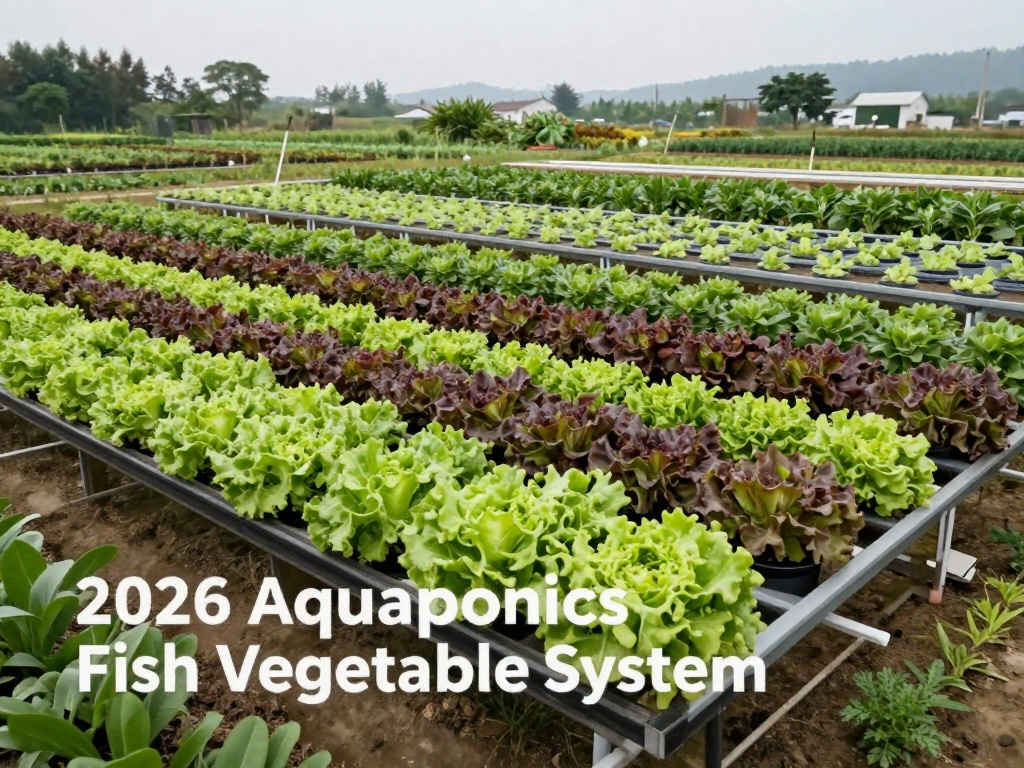
2026 Guide to Aquaponics Fish Vegetable System for Beginners
An aquaponics fish vegetable system represents one of the most innovative and sustainable methods for growing food in the modern era. This revolutionary approach combines aquaculture (fish farming) with hydroponics (soilless plant cultivation) to create a closed-loop ecosystem where fish and plants thrive together symbiotically. Whether you are looking to start a small indoor garden or establish a larger production system, understanding how these integrated systems work can transform your approach to sustainable food production.
The beauty of an aquaponics fish vegetable system lies in its natural efficiency. Fish produce waste that contains ammonia, which beneficial bacteria convert into nitrates—excellent nutrition for plants. In turn, plants filter and purify the water, creating a healthy environment for fish. This cycle repeats continuously, significantly reducing water usage compared to traditional farming while eliminating the need for synthetic fertilizers.
How an Aquaponics Fish Vegetable System Works
The mechanics behind an aquaponics fish vegetable system involve three main components working in harmony. Each element plays a crucial role in maintaining the balance necessary for the system to thrive successfully.
The Fish Component
Fish serve as the primary producers of nutrients in the system. Popular choices include tilapia, catfish, trout, and goldfish, depending on your climate and goals. The fish are housed in a tank where they eat commercial or organic feed and produce ammonia-rich waste through their excretion and respiration. This waste becomes the foundation of your entire system's fertility program.
The Bacteria Transformation
Nitrifying bacteria colonize the grow beds and plumbing in your aquaponics fish vegetable system. These beneficial microorganisms form the crucial bridge between fish waste and plant nutrition. The bacteria convert ammonia (toxic to fish) first into nitrite and then into nitrate (gentle fertilizer for plants). This biological process typically takes several weeks to establish fully, requiring patience during the initial cycling phase.
The Plant Component
Plants are grown directly in the water or in inert media like clay pebbles and coconut coir. They absorb the nitrates and other nutrients from the water, effectively filtering it before it returns to the fish tank. Leafy greens, herbs, tomatoes, peppers, and cucumbers all perform exceptionally well in these conditions. The plant component provides the harvestable yield that makes this system economically viable.
Setting Up Your First Aquaponics Fish Vegetable System
Establishing your own aquaponics fish vegetable system requires careful planning and consideration of several factors. The initial setup investment varies based on scale, but many beginners successfully build functional systems using affordable materials and creativity.
Choosing the Right Location
Your aquaponics fish vegetable system needs adequate lighting, temperature control, and protection from extreme weather. Indoor locations like basements, garages, or spare rooms work well with supplemental grow lights. Outdoor setups work in moderate climates but require additional considerations for temperature fluctuations and predators. Consider access to electricity for water pumps and aeration systems when selecting your location.
Sizing Your System Components
The ratio between fish tank volume and grow bed area determines system balance. A general guideline suggests 1 gallon of fish tank water per 1 square foot of growing space at 1-inch depth. For beginners, starting with a smaller system allows you to learn the rhythms and requirements before scaling up. A 20-50 gallon tank with corresponding grow beds provides an excellent learning environment for newcomers.
Essential Equipment and Materials
Basic components include a fish tank, grow beds, a water pump, air pump with stones, plumbing connections, and a grow medium. Additional items like pH testing kits, ammonia and nitrate test strips, and a thermometer help monitor system health. Many hobbyists successfully construct systems using recycled containers and basic plumbing supplies available at hardware stores.
Best Fish and Vegetables for Your Aquaponics Fish Vegetable System
Selecting appropriate species significantly impacts your success with an aquaponics fish vegetable system. Different fish and plants offer varying levels of difficulty, growth rates, and practical benefits for different climates and goals.
Recommended Fish Species
- Tilapia – Hardy, fast-growing, and tolerant of varying conditions, making them ideal for beginners
- Catfish – Excellent scavengers that adapt well to system environments
- Trout – Prefer cooler water temperatures and offer premium table fare
- Goldfish and Koi – Ornamental options that work well for learning the basics
Vegetables That Thrive in Aquaponics
Most leafy greens perform exceptionally well in aquaponics fish vegetable systems. Lettuce, spinach, kale, and Swiss chard grow rapidly and require relatively simple nutrition. Herbs like basil, mint, and cilantro also flourish in these conditions. Fruiting vegetables such as tomatoes, peppers, and cucumbers produce well but require more nutrients and support structures as they mature.
Maintaining a Healthy Aquaponics Fish Vegetable System
Regular monitoring and maintenance ensure long-term success with your aquaponics fish vegetable system. Understanding what to observe and when to intervene prevents minor issues from becoming major problems that could devastate your fish or plants.
Water Quality Parameters
Maintaining proper pH levels between 6.8 and 7.2 creates optimal conditions for both fish and bacteria. Ammonia and nitrite levels should remain near zero once the system cycles fully. Nitrate levels should stay below 150 ppm, though different plants have varying tolerance levels. Testing water parameters weekly (or more frequently during startup) helps identify imbalances before they harm your system.
Feeding and Fish Care
Feed fish high-quality pellets appropriate for their species, providing only what they consume within a few minutes. Overfeeding pollutes the water and wastes money. Observe fish daily for signs of stress, disease, or unusual behavior. Healthy fish appear active, have clear eyes, and display vibrant coloration. Quarantine new fish for at least two weeks before introducing them to your main system.
Plant Health and Harvesting
Monitor plants for signs of nutrient deficiencies, which often manifest as yellowing leaves or stunted growth. Plants appearing pale may need additional nutrients, while dark green but small plants might indicate too much nitrogen. Harvest regularly to encourage continued production and prevent plants from becoming root-bound or overcrowded in the grow beds.
Common Mistakes to Avoid in Aquaponics Fish Vegetable Systems
Understanding common pitfalls helps new aquaponics fish vegetable system operators avoid frustrating failures. Most issues stem from a few predictable causes that can be prevented with proper planning and attention.
Rushing the cycling process ranks among the most frequent mistakes. Introducing fish before beneficial bacteria establish fully exposes them to toxic ammonia levels. Patience during the initial 4-6 week cycling period prevents fish losses and creates a stable foundation for long-term success. Test water frequently during this phase and resist the temptation to add fish prematurely.
Overfeeding fish creates unnecessary biological load on your system. Uneaten food decomposes and produces ammonia, disrupting the careful balance you have worked to establish. Feed small amounts and observe how quickly fish consume their meals. Adjust portions based on actual consumption rather than following generalized feeding charts.
Ignoring temperature fluctuations stresses both fish and plants. Most common aquaponics fish species thrive between 72-86°F (22-30°C). Extreme temperatures reduce oxygen levels and can prove fatal. Consider heaters for cold climates or shade structures for hot environments to maintain stable conditions year-round.
Benefits of an Aquaponics Fish Vegetable System
The advantages of aquaponics fish vegetable systems extend beyond simple food production. These integrated approaches offer solutions to many challenges facing modern agriculture and food security.
Water conservation represents perhaps the most significant benefit. Aquaponics uses up to 90% less water than traditional soil gardening because water recirculates through the system rather than being lost to evaporation or drainage. This efficiency makes aquaponics particularly valuable in drought-prone regions or areas with limited water access.
Year-round production becomes possible regardless of outdoor conditions. Indoor aquaponics fish vegetable systems provide complete environmental control, enabling food production in any season or climate. This capability reduces dependence on seasonal availability and provides consistent access to fresh, locally grown produce.
Eliminating chemical inputs protects environmental and human health while producing cleaner, healthier food. The closed-loop nature of aquaponics prevents fertilizer runoff that pollutes waterways in conventional agriculture. Organic growing methods produce vegetables free from synthetic pesticide and herbicide residues.
Organic Methods for Your Aquaponics Fish Vegetable System
Maintaining an organic approach within your aquaponics fish vegetable system requires careful attention to inputs and system management. Going organic enhances both environmental benefits and the quality of your harvest.
Feed your fish certified organic pellets or supplement with homegrown options like black soldier fly larvae, duckweed, or kitchen scraps. Organic fish feed ensures no synthetic additives enter your system. Some operators maintain small worm bins or compost systems specifically to produce protein-rich supplements for their fish.
Address pest management using biological controls rather than chemical treatments. Introducing beneficial insects like ladybugs controls aphids naturally. Companion planting with aromatic herbs repels many common pests without harming your system. Physical barriers like row covers protect vulnerable crops while maintaining airflow and light penetration.
Advanced Techniques for Aquaponics Fish Vegetable Systems
Once fundamentals are mastered, several advanced approaches can enhance productivity and system resilience. These techniques build upon basic principles to optimize yields and resource utilization.
Deep water culture (DWC) suspends plant roots directly in oxygenated water, maximizing oxygen exposure and growth rates. Media-based systems use inert grow media to support plants while allowing beneficial bacteria to colonize surfaces. NFT (nutrient film technique) channels thin water films across root systems, conserving water while delivering continuous nutrition. Each method offers distinct advantages depending on your goals and constraints.
Integrating vermiculture into your aquaponics fish vegetable system adds valuable composting capabilities. Red wiggler worms process solid fish waste and dead plant material into nutrient-rich castings. Worm tea produced from these castings provides additional fertility boosts during demanding growth phases or when troubleshooting deficiencies.
Troubleshooting Common Aquaponics Fish Vegetable System Problems
Even well-managed aquaponics fish vegetable systems occasionally encounter challenges. Developing diagnostic skills helps identify and address issues quickly before significant damage occurs.
Yellowing leaves often indicate nitrogen deficiency, especially when lower leaves are affected first. Consider increasing fish feeding or adding supplementary nutrients. Wilting despite adequate water suggests root problems, possibly from root rot caused by poor oxygenation or pathogen invasion. Check aeration and ensure grow media provides adequate drainage.
Fish gasping at the surface signals oxygen depletion. Increase aeration immediately using additional air stones or higher-capacity pumps. Consider adding an emergency oxygen source like hydrogen peroxide in extreme cases. Elevated ammonia or nitrite levels also stress fish and require immediate investigation into feeding practices, system overloading, or filter problems.
Algae growth indicates excess light reaching nutrient-rich water. Cover exposed water surfaces with opaque materials and reduce lighting duration. While some algae harmlessly coexist in systems, excessive blooms compete with plants for nutrients and can deplete oxygen at night.
FAQ
How long does it take to set up a working aquaponics fish vegetable system?
A basic aquaponics fish vegetable system can be constructed within a few days using purchased or salvaged components. However, establishing biological stability requires 4-6 weeks of cycling before adding fish. Full production typically begins within 2-3 months as plants establish and fish mature. Patience during the cycling phase prevents most beginner failures.
What is the cost to start an aquaponics fish vegetable system for beginners?
DIY systems can be built for $200-500 using basic materials like storage totes, standard aquarium equipment, and readily available grow media. Pre-made kits range from $300-1500 depending on size and features. Larger or commercial-scale systems cost significantly more but offer proportionally higher yields. Many beginners start small and expand as they gain confidence and experience.
Can aquaponics work in small spaces like apartments?
Aquaponics fish vegetable systems scale remarkably well for small spaces. A single 10-gallon aquarium with a small grow bed supports fresh herbs and small salad greens indefinitely. Countertop systems using goldfish and microgreens occupy minimal floor space while producing fresh food year-round. Vertical configurations maximize yield per square foot in limited areas.
What vegetables grow best in aquaponics for beginners?
Leafy greens represent the best choices for beginners due to their rapid growth and simple nutritional requirements. Lettuce, basil, spinach, and kale all thrive in aquaponics fish vegetable systems and provide quick harvests that build confidence. These plants also tolerate slight variations in water quality better than fruiting vegetables, making them ideal for learning system management.
How often should I test water parameters in my system?
During the initial cycling phase, test water daily or every other day to monitor ammonia, nitrite, and pH as beneficial bacteria establish. Once stable (typically after 4-6 weeks), weekly testing suffices for most home systems. Increase testing frequency whenever adding new fish, plants, or experiencing unexplained issues. Consistent monitoring prevents problems from developing into crises.
How long until I can harvest vegetables from my aquaponics fish vegetable system?
Leafy greens typically reach harvestable size within 3-4 weeks after transplanting seedlings into the system. Herbs may take 4-6 weeks for substantial harvests. Fruiting vegetables like tomatoes require 2-3 months from flowering to harvest maturity. Continuous harvesting through succession planting maintains consistent yields throughout the growing season.
0 Response to "2026 Guide to Aquaponics Fish Vegetable System for Beginners"
Post a Comment