
Cover Crops for Soil Fertility Improvement: 2026 Guide
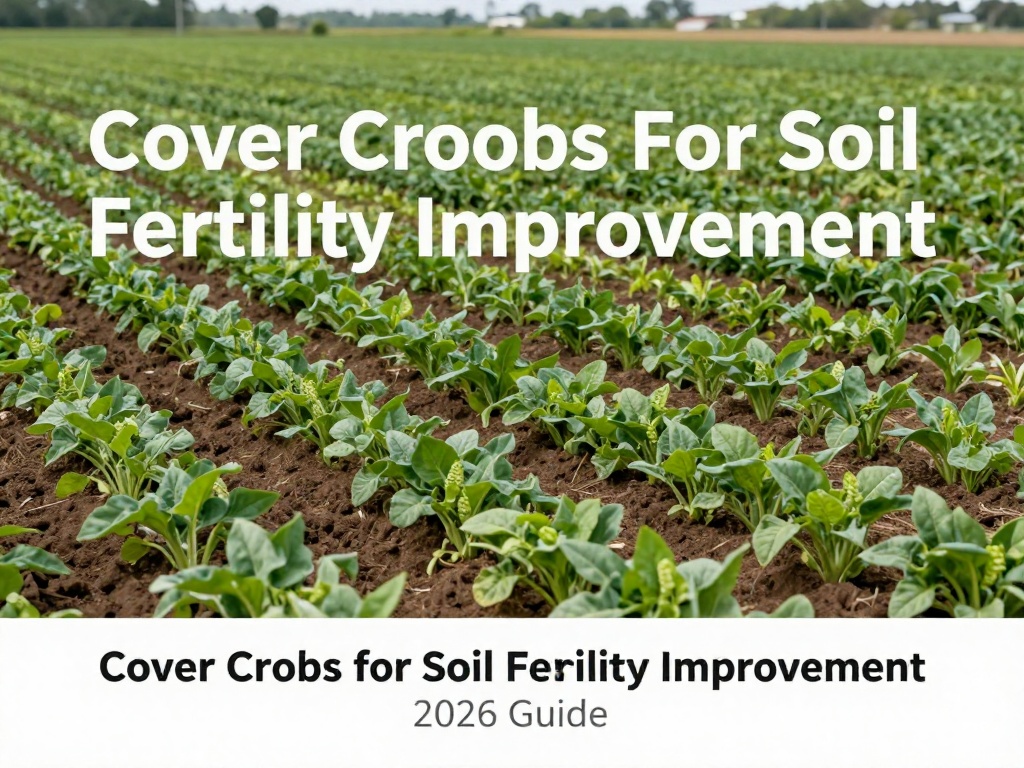
Cover Crops for Soil Fertility Improvement: 2026 Guide
Cover crops for soil fertility improvement have become essential tools for modern farmers and gardeners seeking sustainable ways to enhance their land naturally. These planted crops serve不是为了收获,而是为了改善土壤结构, increase organic matter, and prepare the ground for future planting seasons. Whether you manage acres of farmland or maintain a small backyard garden, understanding how to effectively use cover crops can transform your soil health and reduce dependency on synthetic fertilizers.
Why Cover Crops Matter for Soil Fertility
Modern agriculture faces significant challenges including soil degradation, nutrient depletion, and declining organic matter levels. Cover crops address these issues by working with natural processes rather than against them. When you plant cover crops for soil fertility improvement, you create a living mulch that protects against erosion, suppresses weeds, and feeds the soil microbiome.
The Science Behind Cover Crop Benefits
Cover crops contribute to soil fertility through multiple mechanisms. Leguminous varieties like crimson clover and winter peas actually fix atmospheric nitrogen into the soil, converting it into plant-available forms. Grasses such as annual ryegrass and cereal rye develop extensive root systems that break up compacted layers and add substantial organic matter when incorporated back into the earth.
The root exudates from cover crops feed beneficial soil microorganisms including bacteria, fungi, and earthworms. These organisms in turn create aggregates that improve soil structure, increasing porosity and water retention capacity. Studies from agricultural universities consistently show that fields using cover crops for soil fertility improvement see measurable increases in total organic carbon within just two to three growing seasons.
Best Cover Crops for Soil Fertility Improvement
Selecting the right cover crop depends on your climate zone, planting timing, and specific soil improvement goals. Different species offer distinct advantages that target particular soil needs.
Crimson Clover: The Nitrogen Powerhouse
Crimson clover stands out among cover crops for soil fertility improvement because of its exceptional nitrogen-fixing capabilities. This cool-season legume can fix 70 to 150 pounds of nitrogen per acre, significantly reducing fertilizer requirements for subsequent cash crops. Plant crimson clover in early fall in mild climates or early spring in cooler regions for maximum benefit.
Annual Ryegrass: The Soil Builder
Annual ryegrass excels at building soil structure through its vigorous, fibrous root system. It tolerates various soil types and conditions, making it ideal for beginners learning about cover crops for soil fertility improvement. The extensive root network penetrates compacted layers, creating channels that improve drainage and root penetration for future plantings.
Crimson Clover and Ryegrass Mix: Combined Benefits
Many experienced farmers plant mixtures combining legumes with grasses. This approach captures the nitrogen-fixing benefits of clover alongside the soil-building properties of ryegrass. The grass component also helps prevent nitrogen leaching from the legume residues as they decompose.
Step-by-Step Guide to Planting Cover Crops
Successfully implementing cover crops for soil fertility improvement requires attention to timing, seed preparation, and termination methods. Follow this systematic approach for optimal results in your garden or farm.
Timing Your Planting
For cool-season cover crops, plant seeds 4 to 6 weeks before your first expected frost. This timing allows adequate establishment before winter dormancy while avoiding excessive growth that could cause winterkill. Warm-season cover crops like buckwheat should be planted after all frost danger passes and soil temperatures reach at least 60°F (15°C).
Seed Preparation and Seeding Rates
Ensure good seed-to-soil contact by preparing a relatively level seedbed. Broadcast seeds at recommended rates—typically 15 to 25 pounds per acre for grasses and 15 to 20 pounds per acre for legumes. Lightly rake or roll the area to incorporate seeds no deeper than one-quarter to one-half inch. Inconsistencies in seeding depth account for most germination failures among beginners.
Termination Methods for Spring Plantings
Terminate cover crops adequately before they set seed and become weeds themselves. For crops grown in raised beds or small gardens, simply mow or cut the plants down and either remove biomass or chop it into the soil surface. Allow 2 to 3 weeks of decomposition time before planting your cash crops to avoid nitrogen tie-up during decomposition.
Common Mistakes to Avoid
Even well-intentioned efforts at using cover crops for soil fertility improvement can fail without attention to these frequent pitfalls. Understanding what not to do proves equally important as knowing the correct techniques.
- Planting too late in the season — Insufficient growth before winter provides minimal soil benefit
- Allowing cover crops to go to seed — This creates volunteer plants that compete with desired crops
- Choosing wrong species for your climate — Cold-hardy varieties survive winters; others do not
- Skipping termination timing — Mature grasses become woody and slow to decompose
Seasonal Calendar for Cover Crop Success
Planning your cover crop activities throughout the year ensures consistent soil improvement and prevents missed opportunities for enhancement.
Late Summer to Early Fall: Plant cool-season cover crops after summer vegetable harvest concludes. This timing works excellently for cover crops for soil fertility improvement in annual garden systems.
Late Fall: Assess establishment success and address any bare patches with additional seeding if needed.
Early Spring: Terminate cover crops 2 to 4 weeks before planting cash crops. Use mowing, rolling, or gentle soil incorporation methods.
Summer: Consider warm-season cover crops like cowpeas or buckwheat in areas where primary crops have already been harvested.
Cost and Effort Considerations
Cover crops for soil fertility improvement represent one of the most cost-effective soil management strategies available to growers. Seed costs typically range from $10 to $30 per acre for most varieties, with some legumes costing slightly more. Compare this against the ongoing expense of synthetic fertilizers that cover crops can gradually replace.
Effort requirements remain relatively modest once established. The primary labor investments occur during planting and termination periods, with minimal management needs during the growing phase. For small-scale gardens, hand-seeding and manual termination make cover cropping entirely feasible without special equipment.
Expected Results Timeline
Patience proves essential when using cover crops for soil fertility improvement. Initial benefits like erosion control and weed suppression appear within the first season. Measurable improvements in soil organic matter typically require 2 to 3 years of consistent cover cropping. Long-term practitioners often report dramatically transformed soil structure, increased earthworm populations, and significantly reduced fertilizer inputs after 5 or more years of dedicated cover crop management.
FAQ: Cover Crops for Soil Fertility Improvement
What are the easiest cover crops for beginners to grow?
Annual ryegrass and winter wheat rank among the most forgiving options for beginners. They germinate quickly, tolerate various soil conditions, and require minimal management. Austrian winter peas also offer simplicity with the added benefit of nitrogen fixation.
Can I plant cover crops in small garden spaces or containers?
Absolutely. Cover crops work excellently in raised beds, containers, and small garden plots. Simply scatter seeds at recommended rates, water regularly until established, and terminate by cutting down before seed production.
Do cover crops actually reduce the need for fertilizer?
Yes, particularly leguminous cover crops that fix atmospheric nitrogen. After several seasons of consistent cover cropping, many growers reduce fertilizer applications by 30 to 50 percent while maintaining or improving crop yields.
When should I terminate cover crops before planting vegetables?
Terminate cover crops 2 to 4 weeks before transplanting or direct-seeding most vegetables. This allows sufficient time for decomposition and prevents the phenomenon of nitrogen tie-up that occurs when high-carbon cover crop residue competes with seedlings for available nitrogen.
How much do cover crop seeds cost compared to the benefits gained?
Seed costs typically range from $15 to $50 per acre depending on species chosen, making this one of the most economical soil improvement methods available. The return on investment includes reduced fertilizer costs, improved yields, and long-term soil health that compounds in value over time.
Will cover crops survive harsh winters?
Many cover crop species exhibit excellent winter hardiness. Cereal rye, winter wheat, and hairy vetch reliably survive temperatures below -20°F in most climate zones. Always select cold-hardy varieties appropriate for your specific USDA hardiness zone to ensure winter survival.
Can I combine multiple cover crop species together?
Yes, planting mixtures of grasses and legumes together captures benefits from both categories. The grasses provide rapid ground cover and organic matter, while legumes supply nitrogen. Mix seeds at half the recommended rate for each species to avoid overcrowding.
0 Response to "Cover Crops for Soil Fertility Improvement: 2026 Guide"
Post a Comment