
2026 Guide to Pollinator Habitat Creation Farms for Growers
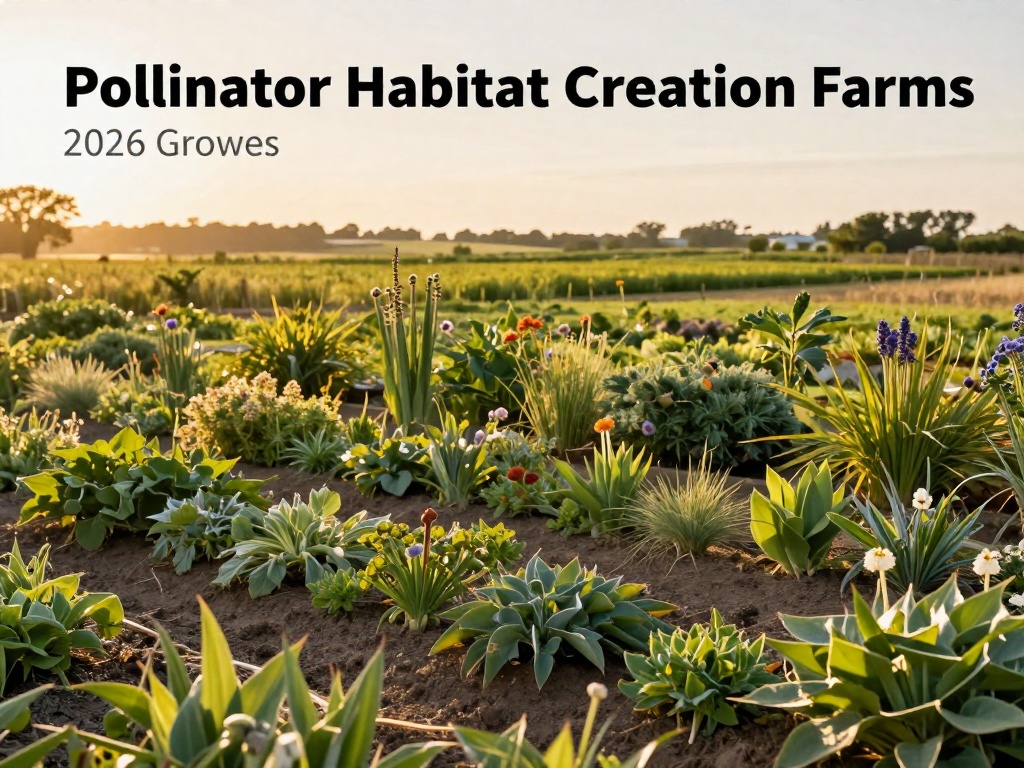
2026 Guide to Pollinator Habitat Creation Farms for Growers
Agricultural landowners increasingly recognize that thriving pollinator populations are essential for productive farms. Pollinator habitat creation farms represent a transformative approach to agriculture, blending productive crop systems with flourishing ecosystems that support native bees, butterflies, and beneficial insects. This comprehensive guide provides farmers and landowners with practical strategies for establishing effective pollinator habitats that enhance biodiversity while improving crop yields through natural pollination services.
Why Pollinator Habitat Matters on Farms
Pollinators contribute billions of dollars to global agricultural production annually, with native bees alone providing pollination services worth an estimated $3 billion per year in the United States. Modern farming practices, including intensive monoculture production and pesticide use, have significantly reduced natural pollinator populations across agricultural landscapes. Creating dedicated pollinator habitats on farms directly addresses this decline while delivering measurable benefits to crop production and farm resilience.
Farms with diverse pollinator communities experience improved fruit set, better seed development, and more consistent yields across pollinator-dependent crops. Beyond direct agricultural benefits, pollinator habitat creation supports broader ecosystem health, attracts beneficial insects that control agricultural pests, and enhances the environmental stewardship image of farming operations.
The Economics of Pollinator-Friendly Farming
Research from agricultural universities demonstrates that farms implementing pollinator habitat strips achieve 10-30% higher yields for pollinator-dependent crops compared to farms relying solely on wild pollinators. Initial investments in habitat establishment typically recover through increased production within two to three growing seasons. Long-term benefits include reduced dependency on rented honey bee colonies and more stable pollination services across variable seasonal conditions.
Planning Your Pollinator Habitat Farm
Successful pollinator habitat creation requires thoughtful planning that considers site conditions, available space, and specific pollinator needs. Begin by assessing your farmland to identify areas unsuitable for crop production, such as field margins, hedgerow borders, and sloped terrain prone to erosion. These zones provide ideal locations for pollinator habitat installations without sacrificing productive farmland.
Assessing Site Conditions
Evaluate soil type, drainage patterns, sun exposure, and existing vegetation before selecting plant species and designing habitat layouts. Most pollinators require full sun exposure for optimal foraging activity, making south-facing slopes and open areas particularly valuable. Soil testing helps determine whether amendments are needed and which native plant species will thrive in existing conditions.
Designing Habitat Corridors
Connectivity matters significantly for pollinator populations. Design habitat areas as interconnected corridors rather than isolated patches, allowing pollinators to move safely between foraging sites. Position habitats within 200 meters of target crops to maximize pollination benefits. Wider habitat strips of 12-20 feet support greater pollinator diversity than narrow single-row plantings.
Best Plants for Pollinator Habitat Farms
Plant selection forms the foundation of effective pollinator habitat creation. Prioritize native flowering species that evolved alongside local pollinator populations and provide reliable nectar and pollen resources throughout the growing season. Diverse plant communities supporting various flower shapes, colors, and bloom times sustain pollinator populations from early spring through late autumn.
Native Wildflowers for Farm Habitats
Native wildflowers offer superior pollinator value compared to exotic ornamental species. Effective choices vary by region but commonly include milkweed species for monarch butterflies, coneflowers for native bees, black-eyed Susans for small insects, and goldenrod for late-season foraging. These adapted species require minimal maintenance once established and provide year-after-year pollination resources.
Native Shrubs and Trees
Woody plants extend habitat value by providing nesting sites, overwintering shelter, and early-season pollen sources. Willows, dogwoods, and serviceberries bloom early when other resources remain scarce. Native shrubs like buttonbush and ninebark support diverse pollinator communities while adding structural diversity to farm landscapes.
Step-by-Step Habitat Establishment
Proper installation techniques significantly impact habitat establishment success. Follow these essential steps to create thriving pollinator habitats on your farm.
Site Preparation
Eliminate existing vegetation using targeted methods appropriate for your scale and philosophy. Organic approaches include solarization, smothering with cardboard or straw, or repeated tillage with fallow periods. Conventional farmers may use approved herbicide applications with appropriate pre-plant intervals. The goal is reducing competition from established weeds before planting.
Planting and Seeding
For wildflower establishment, broadcast seeds onto prepared seedbeds in late autumn or early spring depending on your climate zone. Cold stratification benefits many native species, making autumn planting often more successful. Incorporate a light cover of weed-free straw to protect seeds and retain moisture. Container-grown plants provide immediate impact and work well for establishing shrub and perennial borders.
Maintaining Your Pollinator Habitat
Young habitat installations require attentive management during the first two to three years. Once established, native plant communities become remarkably self-sustaining with minimal intervention.
Early-Season Care
Irrigation during drought periods helps newly planted areas establish healthy root systems. Hand-weeding or targeted spot treatments manage aggressive weeds before they outcompete desired species. Avoid broad-spectrum pesticide applications near habitat areas, particularly during bloom periods when foraging pollinators face maximum exposure.
Long-Term Management
Mature pollinator habitats benefit from periodic disturbance that mimics natural fire regimes and prevents woody encroachment. Prescribed burning every three to five years, conducted during dormant seasons, revitalizes native plant communities and maintains optimal habitat structure. Where burning isn't feasible, strategic mowing with equipment set to leave six-inch residue provides similar benefits.
Measuring Pollination Success
Document your habitat's impact on farm productivity and pollinator populations to guide management decisions and demonstrate environmental stewardship. Systematic monitoring provides valuable data while building knowledge of local pollinator communities.
Pollinator Population Monitoring
Conduct regular pollinator observation surveys during peak bloom periods. Record species diversity, abundance, and foraging behavior to assess habitat effectiveness. Photo documentation with smartphone applications enables species identification and builds valuable long-term records of pollinator community changes.
Farm Productivity Assessment
Track crop yields in fields adjacent to pollinator habitats compared to distant portions of your farm. Monitor fruit set rates, seed development, and harvest timing. Document any changes in honey bee colony rental requirements or observed pollination quality throughout the growing season.
Common Mistakes to Avoid
Several frequent errors undermine pollinator habitat success on farms. Understanding these pitfalls helps growers avoid wasted time and resources.
- Planting inappropriate species: Avoid aggressive exotic species that escape cultivation and harm native ecosystems
- Creating habitats too far from crops: Position habitat areas within reliable foraging distance of target crops
- Neglecting weed control during establishment: Competition from established weeds causes most habitat establishment failures
- Using inappropriate pesticides: Systemic insecticides and broad-spectrum applications devastate pollinator populations near treated areas
- Expecting immediate results: Native plant communities require two to three growing seasons to reach full productivity
FAQ: Pollinator Habitat Creation Farms
How much land should I dedicate to pollinator habitat on my farm?
Aim for 5-10% of your total farmland dedicated to pollinator habitat for optimal benefits. Even small habitat patches of 0.5 acres provide meaningful support for local pollinator populations. Position habitat areas adjacent to pollinator-dependent crops for maximum pollination impact.
What is the best time to establish pollinator habitats?
Late summer through early autumn provides ideal timing for seeding many native wildflower species, allowing seeds to undergo natural cold stratification during winter months. Container-grown plants establish successfully when planted in spring with adequate irrigation support during summer establishment.
How long until pollinator habitats provide measurable benefits?
Most pollinator habitats reach functional maturity within two to three growing seasons. Initial benefits appear during the first year as habitat attracts existing local pollinators. Full ecosystem services including enhanced pollination, pest control, and biodiversity take three to five years to fully develop.
What is the cost of creating pollinator habitat on farmland?
Costs vary significantly based on scale and approach. Seed-only establishment costs approximately $200-500 per acre for native wildflower mixes. Full installation including site preparation, plants, and labor ranges from $1,000-3,000 per acre. Long-term maintenance costs are minimal once established, typically under $100 annually per acre.
Do pollinator habitats attract crop pests?
Well-designed pollinator habitats primarily attract beneficial insects including predatory wasps, hoverflies, and beetles that consume agricultural pests. Native flowering habitats rarely host significant crop pest populations, as most pest species require specific crop plants rather than diverse native vegetation.
Can I use pollinator habitat areas for hay production or grazing?
Limited rotational grazing or hay harvest during dormant seasons can maintain habitat structure while providing additional farm products. Avoid frequent disturbance during bloom periods, as this eliminates critical foraging resources. Leave at least six inches of residue after any harvest to protect perennial plant crowns.
What pesticides are safe to use near pollinator habitats?
No pesticides are completely safe near pollinator habitats. If applications are necessary, select products with low toxicity to bees, apply during evening hours when pollinators are less active, and use targeted application methods that minimize drift. Organic-approved products like Bt and spinosad generally present lower risks than synthetic alternatives.
Conclusion
Pollinator habitat creation represents a proven investment in agricultural productivity and environmental stewardship. Farms implementing thoughtful habitat strategies experience improved pollination services, reduced input costs, and enhanced biodiversity while contributing to regional conservation efforts. Begin with modest habitat installations, learn from your experiences, and expand successful approaches across your farmland. The synergy between thriving pollinator populations and productive agriculture creates resilient farming systems that benefit landowners, communities, and ecosystems for generations to come.
0 Response to "2026 Guide to Pollinator Habitat Creation Farms for Growers"
Post a Comment