
2026 Hydroponic Lettuce Production Guide: Step-by-Step
2026 Hydroponic Lettuce Production Guide: Step-by-Step
Welcome to your comprehensive hydroponic lettuce production guide for 2026. Whether you're a backyard gardener or commercial farmer, growing lettuce hydroponically offers unmatched advantages: faster growth cycles, 90% less water usage, and pesticide-free greens harvested year-round. This step-by-step guide covers everything from system selection to harvest, helping you achieve consistent, restaurant-quality lettuce in any space.
Why Choose Hydroponic Lettuce Production in 2026?
Traditional soil-based lettuce farming faces increasing challenges from climate change, water scarcity, and soil degradation. Hydroponic lettuce production eliminates these obstacles by delivering nutrients directly to plant roots in a controlled environment. Modern hydroponic systems can produce lettuce 30-50% faster than conventional methods, with multiple harvests possible throughout the year regardless of outdoor conditions.
Benefits for Modern Growers
Commercial and hobby growers alike report significant advantages when switching to hydroponic systems. Lettuce grown hydroponically typically shows better texture, color, and flavor than field-grown counterparts. Additionally, the controlled environment reduces disease pressure and eliminates weed competition, resulting in cleaner, more marketable produce.
Market Demand and Profitability
Consumer demand for locally grown, sustainable produce continues rising in 2026. Hydroponically grown lettuce commands premium pricing at farmers' markets and restaurants. Many urban farms achieve profitability within their first year by focusing exclusively on high-value lettuce varieties and specialty greens.
Choosing the Right Hydroponic System for Lettuce
Selecting an appropriate system forms the foundation of successful hydroponic lettuce production. Several proven methods work exceptionally well for lettuce, each offering unique advantages for different scales and budgets.
Deep Water Culture (DWC) Systems
DWC represents the simplest and most popular method for beginners. Plants suspend in net pots with roots submerged in oxygenated nutrient solution. Air pumps deliver continuous oxygen, preventing root drowning while supplying essential elements. This system works excellently for lettuce production in small spaces, with commercial operations often using multiple DWC channels for scalable production.
Nutrient Film Technique (NFT) Channels
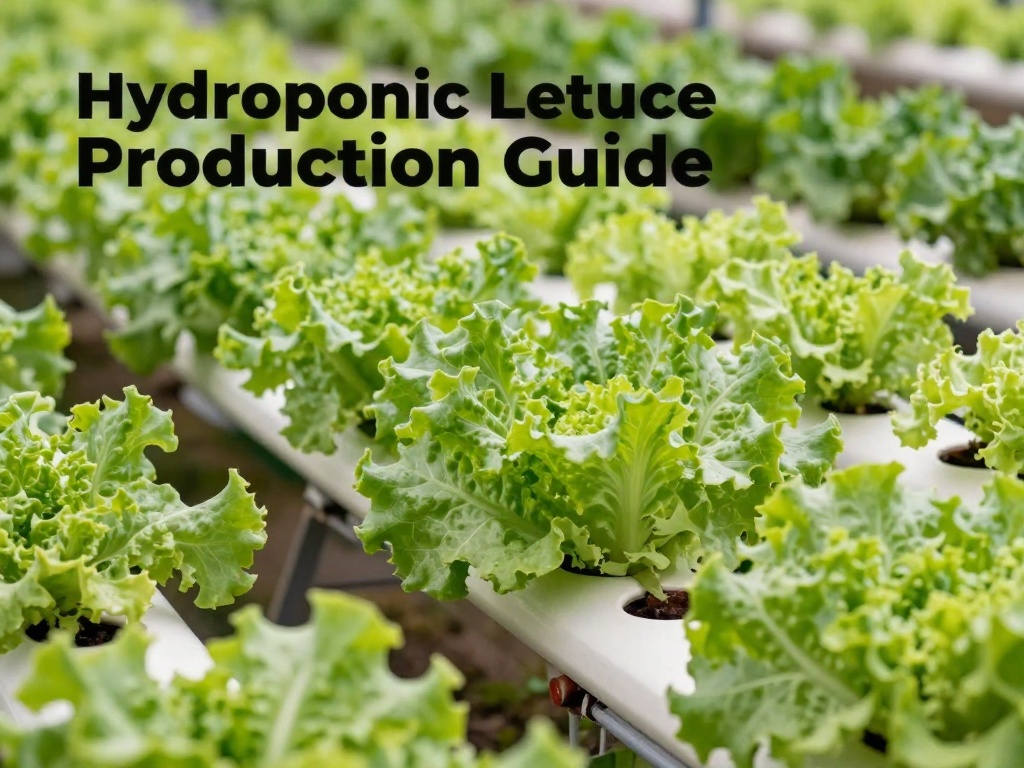
NFT systems circulate thin nutrient films along sloping channels, exposing roots to both solution and oxygen simultaneously. This method uses water extremely efficiently and produces exceptional results with leafy greens like lettuce. Commercial hydroponic lettuce production facilities frequently employ NFT due to its scalability and automation potential.
Ebb and Flow (Flood and Drain) Systems
These versatile systems periodically flood growing media with nutrient solution before draining back to the reservoir. The periodic drying cycles promote strong root development and excellent aeration. Ebb and flow works well for lettuce in raised beds and larger containers, making it ideal for hobby growers expanding into commercial production.
Essential Equipment and Setup Requirements
Proper equipment selection ensures your hydroponic lettuce production system operates reliably and produces optimal results. Investing in quality components initially prevents frustrations and lost crops later.
Grow Lights for Indoor Production
Indoor lettuce production requires appropriate lighting spectrum and intensity. LED grow lights have become the industry standard, offering energy efficiency and adjustable spectrums for different growth stages. Lettuce prefers cooler spectrums (4000-6000K) and requires approximately 10-14 hours of light daily for optimal growth.
Nutrient Solution Management
Complete hydroponic nutrient solutions provide all essential elements for healthy lettuce growth. Pre-mixed formulas designed specifically for leafy greens simplify nutrient management. Maintain solution pH between 5.5-6.5 and replace or replenish nutrients every 2-3 weeks to ensure consistent availability.
Environmental Controls
Temperature significantly impacts lettuce growth and quality. Maintain air temperatures between 60-70°F (15-21°C) for optimal development. Higher temperatures cause bolting and bitter flavors, while cooler conditions slow growth considerably. Adequate ventilation prevents fungal issues and strengthens plant stems.
Best Lettuce Varieties for Hydroponic Production
Selecting appropriate varieties maximizes your success with hydroponic lettuce production. Some lettuce types outperform others in soilless systems, and understanding variety characteristics helps you match plants to your market and growing conditions.
Butterhead Varieties
Butterhead lettuce, including Boston and Bibb types, produces tender leaves with delicate texture. These varieties grow exceptionally well hydroponically, forming attractive loose heads. Their mild flavor appeals to salad enthusiasts, and relatively fast growth cycles (45-55 days) allow frequent harvests.
Romaine Lettuce
Romaine varieties offer excellent crunch and extended shelf life, making them favorites for commercial production. Upright growth habits suit vertical hydroponic systems, and plants tolerate slightly warmer conditions better than other types. Expect harvest-ready lettuce in 50-65 days from transplant.
Leaf Lettuce and Microgreens
Loose-leaf varieties and baby lettuce mixes provide rapid returns, often ready within 25-35 days. Continuous harvest methods allow perpetual production from the same plants. Microgreens represent the fastest returns, with many varieties harvestable within 7-14 days for premium market pricing.
Step-by-Step Production Process
Starting Seeds and Seedlings
Begin your hydroponic lettuce production by starting seeds in sterile growing media such as rockwool cubes or peat pellets. Maintain consistent moisture and temperatures around 70°F for rapid germination. Seedlings typically develop transplantable roots within 2-3 weeks, depending on variety and environmental conditions.
Transplanting to Hydroponic Systems
Carefully transfer seedlings to your hydroponic system, ensuring roots contact nutrient solution immediately. Position plants according to recommended spacing—typically 6-10 inches apart depending on variety and expected harvest size. Monitor transplants closely for the first week, watching for signs of transplant stress or nutrient deficiency.
Nutrient Solution Maintenance
Check nutrient solution levels daily, adding plain water to compensate for plant uptake. Conduct pH testing every 2-3 days, adjusting as needed with pH up or down solutions. Weekly solution testing with electrical conductivity (EC) meters helps maintain optimal nutrient concentrations for sustained growth.
Harvesting Techniques
Harvest lettuce in the morning when water content is highest for maximum crispness. Cut heads at the base with clean, sharp tools, leaving roots in the system if practicing cut-and-come-again harvesting. Immediate cooling after harvest preserves quality and extends shelf life for market sales.
Troubleshooting Common Problems
Even well-managed hydroponic lettuce production systems occasionally encounter challenges. Early identification and correction prevent minor issues from becoming crop failures.
Nutrient Deficiency Symptoms
Yellowing leaves often indicate nitrogen deficiency, while purple-tinged foliage suggests phosphorus issues. Iron deficiency appears as yellowing between leaf veins on new growth. Regular monitoring and prompt nutrient adjustments correct most deficiency problems within days.
Root Health and System Hygiene
Healthy white roots indicate proper system function. Brown, slimy, or foul-smelling roots signal root rot, typically caused by inadequate oxygenation or pathogen introduction. Maintain air stones and pumps continuously, and sanitize systems between crop cycles to prevent disease carryover.
Maximizing Yield and Quality in 2026
Advanced techniques help experienced growers push hydroponic lettuce production beyond basic results toward premium-quality harvests and maximum efficiency.
Vertical Growing Systems
Vertical hydroponic towers multiply production space, yielding 4-6 times more lettuce per square foot than horizontal systems. Tower gardens work exceptionally well for leaf lettuce and baby greens, with modular designs allowing easy expansion as your operation grows.
Succession Planting Strategies
Staggered planting schedules ensure continuous harvests without gaps or gluts. Starting new transplants every 1-2 weeks maintains consistent production volumes. This approach proves essential for commercial operations serving restaurants and farmers' markets with regular orders.
FAQ: Hydroponic Lettuce Production Guide
How long does hydroponic lettuce take to grow compared to soil?
Hydroponic lettuce typically matures 30-50% faster than soil-grown counterparts. Most varieties reach harvest size in 30-65 days from transplant, depending on variety, lighting, and nutrient management. This accelerated growth allows multiple successions annually, significantly increasing annual production compared to traditional farming.
What is the startup cost for a small hydroponic lettuce system?
Beginner hydroponic lettuce systems range from $100-500 for hobby setups producing several heads weekly. Commercial-scale systems for significant production typically cost $2,000-10,000+ depending on automation level and scale. DIY systems using basic materials can reduce costs further while still achieving excellent results.
Do I need special nutrients for hydroponic lettuce?
Yes, hydroponic plants require nutrients dissolved in water since soil cannot provide elements. Pre-formulated hydroponic nutrient solutions designed for leafy greens contain all essential macro and micronutrients in proper ratios. These products simplify nutrient management compared to mixing individual components.
Can I grow hydroponic lettuce indoors without sunlight?
Absolutely. Indoor hydroponic lettuce production using LED grow lights often outperforms outdoor production due to controlled conditions and consistent light levels. Full-spectrum LED fixtures provide the light energy lettuce needs for photosynthesis, allowing successful production in basements, garages, or any indoor space.
What are the most common beginner mistakes in hydroponic lettuce production?
Common errors include improper pH management, neglecting nutrient solution changes, inadequate lighting duration or intensity, overcrowding plants, and poor system hygiene leading to root diseases. Starting simple with a basic DWC system and focusing on fundamentals prevents most beginner frustrations.
How do I know when hydroponic lettuce is ready to harvest?
Lettuce is typically ready when heads feel firm and have reached varietal mature size, usually 4-8 inches depending on variety. For leaf lettuce, harvest individual outer leaves once plants have 6-8 true leaves. Watch for flowering stems (bolting) in warm conditions, as this signals harvest urgency before quality declines.
0 Response to "2026 Hydroponic Lettuce Production Guide: Step-by-Step"
Post a Comment