
Chickpea Nitrogen Fixation Process: 2026 Grower's Guide
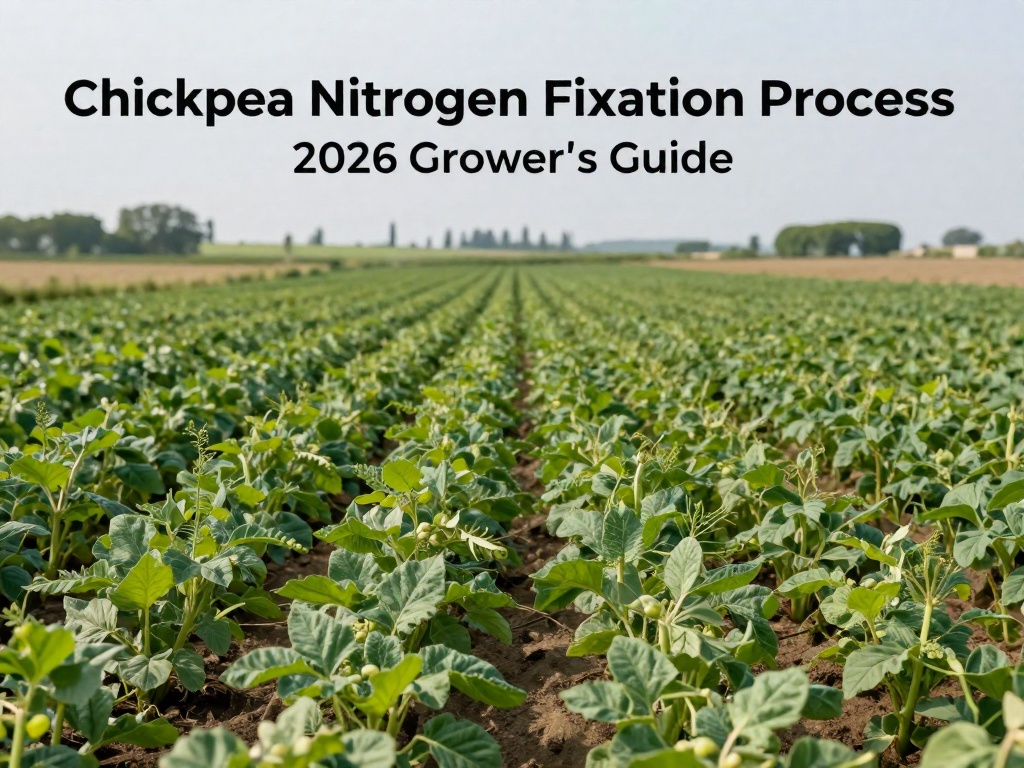
Chickpea Nitrogen Fixation Process: 2026 Grower's Guide
The chickpea nitrogen fixation process represents one of nature's most remarkable agricultural partnerships. Understanding how chickpeas convert atmospheric nitrogen into usable nutrients can transform your farming practices and reduce dependence on synthetic fertilizers. This comprehensive guide walks you through every stage of this process, from soil preparation to harvest, helping you maximize the natural benefits these legumes offer.
Whether you are managing a large-scale farm or growing chickpeas in containers on your homestead, mastering nitrogen fixation will improve your soil fertility while cutting input costs significantly. The Rhizobium bacteria that colonize chickpea roots form specialized structures called nodules, creating a symbiotic relationship that benefits both the plant and your soil ecosystem.
Understanding the Science Behind Chickpea Nitrogen Fixation
Chickpeas belong to the legume family, which possesses a unique ability to capture atmospheric nitrogen gas and convert it into ammonia. This ammonia then becomes available to the plant and subsequent crops in your rotation. The process occurs within root nodules where Rhizobium ciceri bacteria reside after successfully infecting chickpea root hairs.
The Biological Mechanism
The nitrogen fixation process begins when chickpea roots release signaling compounds called flavonoids into the surrounding soil. These compounds attract compatible Rhizobium bacteria, which then attach to root hair surfaces. The bacteria produce specialized infection threads that penetrate the root hair, carrying bacterial cells deep into the root cortex.
Once inside, the bacteria differentiate into bacteroids, specialized cells capable of converting nitrogen gas into ammonia. The plant responds by forming the nodule tissue that houses these bacteroids. Within the nodule, the bacteroid enzyme nitrogenase catalyzes the reaction that transforms N₂ gas into NH₃, using ATP energy provided by the plant.
Conditions Required for Effective Fixation
Optimal nitrogen fixation requires specific environmental conditions. Soil pH between 6.0 and 9.0 supports strong nodulation, with the ideal range falling between 6.5 and 7.5. Temperature plays a critical role, with biological activity most efficient between 20°C and 30°C (68°F to 86°F). Cooler temperatures significantly slow bacterial metabolism and reduce fixation rates.
Phosphorus availability is essential for energy transfer in the nodulation process, while molybdenum serves as a cofactor for nitrogenase function. Adequate soil moisture ensures bacterial mobility and nutrient transport, though waterlogged conditions inhibit oxygen availability needed for the energy-intensive fixation reactions.
Step-by-Step Chickpea Nitrogen Fixation Process for Beginners
Successfully establishing effective nitrogen fixation requires careful attention to several key stages. This step-by-step approach ensures maximum nodulation and nitrogen contribution to your soil system.
Stage 1: Soil Preparation and Inoculation
Begin by testing your soil to assess pH, nutrient levels, and existing Rhizobium populations. If you are planting chickpeas for the first time in a particular area, commercial inoculant application becomes essential. Select a high-quality Rhizobium ciceri inoculant and apply it directly to seeds using a sticking agent such as sugar solution or commercial adhesive.
Prepare your planting beds or fields 2-3 weeks before planting to allow soil amendments time to integrate. Work in well-decomposed compost to improve soil structure and water-holding capacity. Avoid fresh manure applications close to planting, as high ammonia levels can interfere with nodulation establishment.
Stage 2: Planting and Early Growth
Plant chickpeas at a depth of 5-8 centimeters in well-drained soil, spacing seeds 10-15 centimeters apart in rows 30-45 centimeters apart. Firm soil gently around seeds to ensure good seed-to-soil contact. Germination typically occurs within 7-14 days, depending on soil temperature and moisture conditions.
During the first three weeks after germination, monitor seedling development closely. Root nodule formation usually begins around 14-21 days post-germination. Avoid applying nitrogen fertilizers during this establishment phase, as available soil nitrogen actually suppresses nodulation by reducing the plant's dependence on bacterial symbionts.
Stage 3: Nodule Development and Active Fixation
Active nitrogen fixation typically begins 4-6 weeks after planting, once nodules reach approximately 2-3 millimeters in diameter. Nodules should appear pink or reddish when cut open, indicating effective nitrogenase activity. Pale or green nodules suggest fixation is not occurring properly and requires intervention.
Maintain consistent soil moisture throughout the growing season, providing approximately 2.5-5 centimeters of water weekly through rainfall or irrigation. Avoid drought stress, which can cause nodule senescence and premature termination of fixation activity. Monitor for pest and disease pressure that might compromise plant health and nodule function.
Stage 4: Maximizing and Harvesting Fixation Benefits
The peak fixation period occurs during flowering and early pod fill stages, typically 60-90 days after planting. This period represents your greatest opportunity for nitrogen contribution to the soil. Minimize soil disturbance during this phase to protect developing nodules from mechanical damage.
For maximum nitrogen benefit, terminate chickpea plants before complete maturity when incorporating them as green manure. Alternatively, harvest pods for grain while retaining nitrogen-rich root material in the soil. After harvest, plant non-legume crops to utilize the mineralized nitrogen released from decomposing nodules and plant residues.
Common Mistakes to Avoid in Chickpea Nitrogen Fixation
Understanding pitfalls in the nitrogen fixation process helps prevent costly errors that compromise your results.
Overlooking Inoculation in New Areas
Failing to inoculate chickpeas in fields without previous legume history represents the most common mistake. Without compatible Rhizobium bacteria present, nodulation fails entirely and the plant cannot access atmospheric nitrogen. Always assume you need to inoculate unless you have confirmed Rhizobium presence through soil testing or documented history.
Applying Nitrogen Fertilizers Prematurely
Adding starter nitrogen fertilizers interferes with the establishment of the plant-bacteria symbiosis. When nitrogen is readily available in the soil solution, the plant prioritizes uptake over nodulation. Wait until nodulation is established, typically 6-8 weeks after planting, before considering any nitrogen supplementation.
Planting in Poorly Drained Conditions
Excessive soil moisture displaces oxygen needed for bacterial respiration and nitrogenase function. Nodules require constant oxygen supply to produce the ATP energy driving nitrogen fixation. Improve drainage through raised beds, amendments, or careful site selection before planting chickpeas in problematic areas.
Benefits of Mastering the Chickpea Nitrogen Fixation Process
Understanding and optimizing nitrogen fixation delivers measurable benefits across your entire farming operation.
Economic Advantages
Effective chickpea nitrogen fixation can contribute 50-150 kilograms of nitrogen per hectare annually. This biological input replaces equivalent purchased fertilizer, representing substantial savings on input costs. Additionally, the residual nitrogen benefits following crops, reducing their fertilizer requirements as well.
Environmental Sustainability
Nitrogen fixation reduces reliance on synthetic fertilizers, lowering fossil fuel consumption associated with fertilizer manufacturing and transportation. Biological fixation also minimizes nitrogen leaching and runoff that contaminates waterways and contributes to eutrophication. Healthy soil ecosystems developed through legume integration support long-term agricultural productivity.
Soil Health Improvement
Beyond nitrogen contribution, chickpea cultivation improves soil structure through extensive root systems that create channels for water infiltration and air exchange. Organic matter from chickpea residues enhances soil biological activity, cation exchange capacity, and water retention. These improvements compound over successive growing seasons.
Results Timeline: What to Expect Throughout the Growing Season
Visual confirmation of effective nitrogen fixation follows a predictable timeline that helps you assess your success.
In the first two weeks after planting, focus on germination and seedling establishment. Week three typically shows initial root development beginning. Between weeks three and five, expect visible nodule formation along primary roots. By weeks six through eight, active fixation should produce visible plant vigor and healthy green coloration. Weeks eight through twelve represent peak fixation during flowering and pod fill. Post-harvest analysis reveals the total nitrogen contribution through soil testing comparison.
For best results, conduct pre-planting and post-harvest soil tests to quantify the actual nitrogen contribution achieved on your specific site. Documenting results helps refine your approach for future seasons and confirms the value of your management efforts.
Frequently Asked Questions About Chickpea Nitrogen Fixation
How do I know if my chickpeas are fixing nitrogen effectively?
Effective fixation produces vigorous plant growth with deep green coloration, visible root nodules that are pink or reddish inside, and healthy canopy development even in low-nitrogen soils. The best confirmation comes from comparing soil nitrogen levels before and after chickpea cultivation through laboratory testing.
Can I grow chickpeas in containers for nitrogen fixation?
Yes, chickpeas can fix nitrogen effectively in containers when properly inoculated and maintained. Use quality potting mix with good drainage, ensure containers are at least 30 centimeters deep for root development, and apply Rhizobium inoculant directly to seeds. Container-grown chickpeas will contribute less total nitrogen but still benefit subsequent plantings.
What is the ideal temperature range for chickpea nitrogen fixation?
Optimal nitrogen fixation occurs between 20°C and 30°C (68°F to 86°F). Fixation rates decline significantly below 15°C (59°F) and above 35°C (95°F). In cooler climates, time planting so peak nodulation occurs during warm months. In hot climates, early spring or fall planting may avoid excessive heat stress.
How much does chickpea nitrogen fixation cost compared to synthetic fertilizer?
Commercial Rhizobium inoculant costs approximately $5-15 per hectare, making it far more economical than synthetic nitrogen alternatives costing $50-200 per hectare for equivalent nitrogen application. Combined with soil health benefits, legume nitrogen fixation delivers exceptional return on investment for any scale of operation.
Should I add phosphorus to improve chickpea nitrogen fixation?
Phosphorus is essential for nitrogen fixation because nodules require substantial energy to drive the conversion process. If soil tests indicate low phosphorus levels, apply rock phosphate or bone meal at planting. Avoid excessive phosphorus, which can tie up zinc and other micronutrients needed for healthy plant development.
How long does it take to see results from chickpea nitrogen fixation?
Initial nodulation becomes visible 3-4 weeks after planting. Significant nitrogen contributions appear during flowering, typically 8-10 weeks after planting. Full nitrogen availability for subsequent crops materializes after chickpea residue decomposition, which occurs 4-8 weeks after termination or harvest. Plan your rotation accordingly to maximize benefits.
What companion plants work well with chickpeas for nitrogen optimization?
Low-nitrogen-demand companions such as brassicas, root vegetables, and herbs pair well with chickpeas without competing for available nitrogen. Avoid planting chickpeas alongside other heavy nitrogen feeders such as corn or squash during the active fixation period. Following chickpeas with nitrogen-demanding crops maximizes utilization of fixed nitrogen.
Mastering the chickpea nitrogen fixation process empowers you to harness natural biological systems for agricultural productivity. By following the guidance in this 2026 grower's guide, you can establish thriving chickpea crops that enrich your soil, reduce input costs, and support sustainable farming practices for years to come.
0 Response to "Chickpea Nitrogen Fixation Process: 2026 Grower's Guide"
Post a Comment