
Crop Disease Identification & Prevention: 2026 Grower's Guide
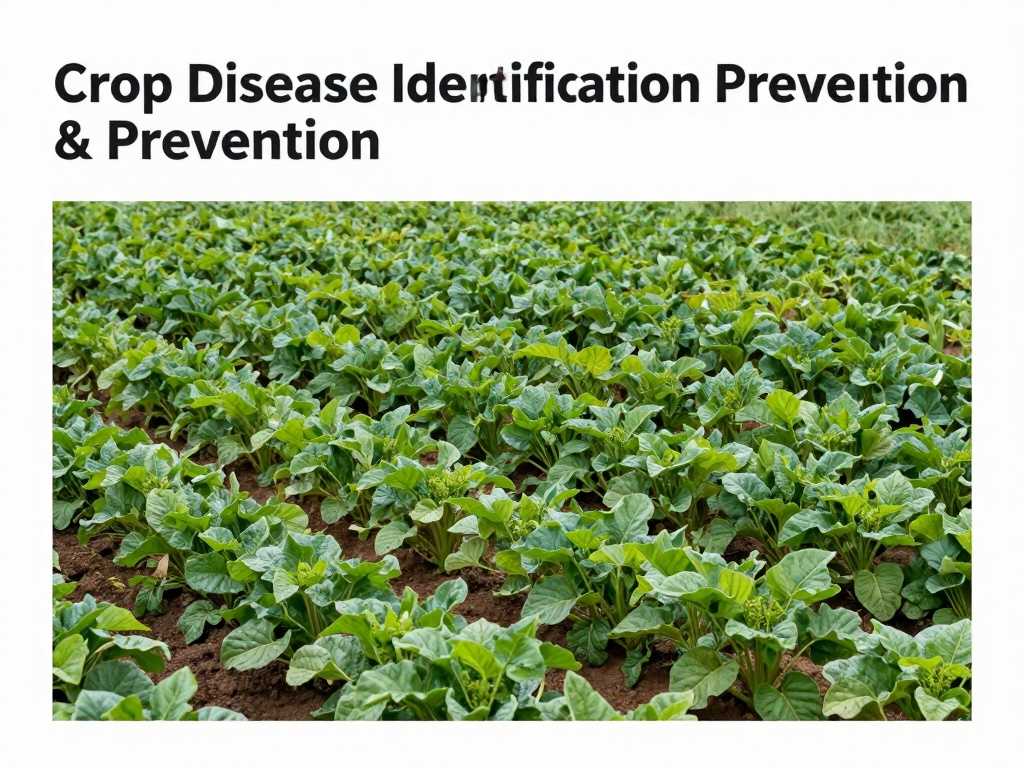
Crop Disease Identification & Prevention: 2026 Grower's Guide
Crop disease identification and prevention represents one of the most critical skills modern farmers and gardeners must develop. When left undetected, plant diseases can devastate entire harvests within weeks, causing significant financial losses and food waste. This comprehensive guide provides agricultural professionals and hobbyists alike with proven strategies for identifying common crop diseases and implementing effective prevention measures in 2026.
Understanding Common Crop Diseases
Before diving into identification techniques, growers must understand the primary categories of plant pathogens affecting crops worldwide. Fungi cause approximately 85% of all plant diseases, followed by bacteria, viruses, and nematodes. Each pathogen type presents distinct symptoms and requires specific management approaches.
Fungal Diseases in Agriculture
Fungal pathogens thrive in warm, humid conditions and spread rapidly through airborne spores. Common fungal diseases include powdery mildew, which appears as white dust-like patches on leaves, and late blight, responsible for the Irish Potato Famine. Rust diseases manifest as orange, yellow, or brown pustules on stems and leaf undersides, while root rots cause wilting despite adequate moisture.
Bacterial and Viral Pathogens
Bacterial infections typically cause water-soaked lesions, wilting, and foul-smelling decay. Fire blight affects fruit trees and appears as blackened, twisted branch tips resembling burned material. Viral diseases present differently, often causing mosaic patterns on leaves, stunted growth, and yellowing. These pathogens spread through insect vectors, contaminated tools, and infected planting material.
Step-by-Step Disease Identification Methods
Accurate crop disease identification requires systematic observation and methodical analysis. Growers should examine plants regularly, ideally twice weekly during the growing season, to catch problems early when intervention is most effective.
Visual Inspection Techniques
Begin inspection at the plant base and work upward, checking stems for cankers, discoloration, or unusual growths. Examine both leaf surfaces for spots, discoloration, wilting, or abnormal textures. Inspect flowers and fruits for lesions, deformities, or premature dropping. Document findings with photographs for comparison over time and potential consultation with agricultural extension services.
Laboratory Diagnosis for Complex Cases
When visual identification proves inconclusive, laboratory testing provides definitive diagnosis. Many universities and agricultural agencies offer plant disease clinics that can culture samples and identify specific pathogens. Home test kits for common diseases are increasingly available and provide results within 24-48 hours for basic fungal and bacterial identification.
Proven Prevention Strategies for Healthier Crops
Prevention consistently proves more cost-effective than treatment in crop disease management. Implementing multiple prevention layers creates a robust defense system that protects plants throughout their growth cycle.
Crop Rotation Techniques
Rotating crops between plant families breaks disease cycles by denying pathogens their preferred hosts. Practice three to four year rotation cycles, avoiding planting the same plant family in the same location consecutively. Legumes, for example, naturally fix nitrogen and help suppress soil-borne diseases when rotated with heavy-feeding vegetables like tomatoes and peppers.
Proper Spacing and Air Circulation
Overcrowded plants create humid microclimates ideal for disease development. Follow spacing recommendations on seed packets and plant tags, typically providing 12-24 inches between most vegetable plants. Proper spacing ensures air circulation that dries leaf surfaces quickly, reducing fungal spore germination opportunities.
Watering Best Practices
Water at soil level using drip irrigation or soaker hoses rather than overhead sprinklers. Wet foliage significantly increases fungal disease susceptibility, particularly when leaves remain damp for extended periods. Water early morning allows rapid surface drying, while evening watering extends leaf wetness duration and promotes pathogen activity overnight.
Organic Prevention Methods for Sustainable Farming
Organic growers have access to numerous natural products and techniques that effectively prevent crop diseases without synthetic chemical inputs. These methods support overall ecosystem health while protecting plant populations.
Natural Fungicides and Biocontrol Agents
Copper-based sprays provide effective prevention against many fungal and bacterial diseases when applied before infection occurs. Bacillus subtilis, a beneficial soil bacteria, colonizes plant surfaces and competitively excludes pathogens. Neem oil disrupts fungal spore germination and deters insect vectors that spread viral diseases. Apply these treatments preventatively and after rain events that splash soil onto lower leaves.
Resistant Varieties for Organic Systems
Plant breeders have developed disease-resistant varieties specifically labeled with codes like "V" for verticillium resistance or "F" for fusarium resistance. Selecting resistant varieties adapted to your regional conditions significantly reduces disease pressure. Seed catalogs prominently display disease resistance information, making informed selection straightforward for beginners.
Monitoring and Early Intervention Systems
Establishing consistent monitoring routines catches disease pressure before it becomes unmanageable. Early intervention using targeted treatments preserves beneficial insects and prevents pathogen spread to neighboring crops.
Scouting Schedules and Record Keeping
Conduct weekly scouting sessions during active growth periods, increasing frequency during warm, humid weather when disease pressure peaks. Record observations in a garden journal or digital app, noting plant locations, symptoms observed, and environmental conditions. These records reveal patterns that inform future management decisions and help identify recurring problem areas.
Thresholds for Action
Not every disease occurrence requires intervention. Understanding economic and aesthetic thresholds helps prioritize efforts where they provide the most benefit. Remove individual infected leaves promptly when spotted, disposing of material away from the garden rather than composting. Consider treatment only when disease spreads beyond isolated incidents or threatens crop yield significantly.
Integrated Disease Management Programs
Successful commercial and home growers combine multiple prevention and control strategies into comprehensive management programs. This integrated approach reduces reliance on any single method while maximizing overall crop protection effectiveness.
Cultural Practices That Support Plant Immunity
Healthy plants resist disease better than stressed specimens. Maintain optimal soil fertility through regular composting and cover cropping to support robust root systems. Mulching preserves soil moisture uniformity and prevents soil splash that spreads pathogens. Remove plant debris promptly at season end to eliminate overwintering pathogen refuges.
Sanitation Protocols
Sterilize pruning tools between plants using 10% bleach solution or rubbing alcohol to prevent mechanical transmission of pathogens. Clean seed starting trays and pots annually to eliminate residual pathogen spores. Quarantine new plants for two weeks before introducing them to established plantings, watching for hidden disease symptoms during this observation period.
Frequently Asked Questions
What are the first signs of crop disease I should watch for?
Initial disease indicators typically include leaf discoloration (yellowing, browning, or spotting), wilting despite adequate moisture, unusual growth patterns like stunted development or abnormal shapes, and visible lesions or powdery coatings on plant surfaces. Check undersides of leaves regularly, as many diseases first appear in these protected areas.
How often should I inspect my crops for disease symptoms?
Inspect crops at least twice weekly during the growing season, increasing frequency during warm, humid weather when diseases spread rapidly. Commercial operations may need daily scouting during high-risk periods. Consistent observation allows detection before diseases establish deeply and spread to neighboring plants.
Can I prevent crop diseases without using chemicals?
Absolutely. Organic prevention methods including crop rotation, proper spacing, drip irrigation, resistant varieties, and biological control agents effectively prevent most common diseases. Prevention-oriented gardens rarely require any treatments when cultural practices are optimized. Focus on building healthy soil and choosing appropriate plant placements.
What is the most cost-effective disease prevention method?
Crop rotation provides the highest return on investment for disease prevention. This single practice disrupts pathogen life cycles, improves soil structure, and reduces fertilizer needs while preventing numerous soil-borne diseases. Combined with resistant variety selection, rotation addresses the majority of common disease pressures without ongoing costs.
How long does it take to see results from disease prevention efforts?
Some prevention benefits appear immediately, such as reduced disease incidence when implementing proper spacing and watering techniques. However, rotation benefits accumulate over multiple seasons as soil pathogen populations decline. Expect measurable improvement within one growing season for cultural changes, with continued enhancement over subsequent years.
Should I remove and destroy plants showing severe disease symptoms?
Yes, when plants show advanced infection affecting large portions of foliage or stems, removal prevents spread to healthy specimens. Cut plants at soil level rather than pulling roots, which disturbs soil and potentially spreads root pathogens. Bag severely infected material for landfill disposal rather than home composting, where pathogens may survive.
0 Response to "Crop Disease Identification & Prevention: 2026 Grower's Guide"
Post a Comment