
How to Use Composting Worms for Soil Amendment: 2026 Guide
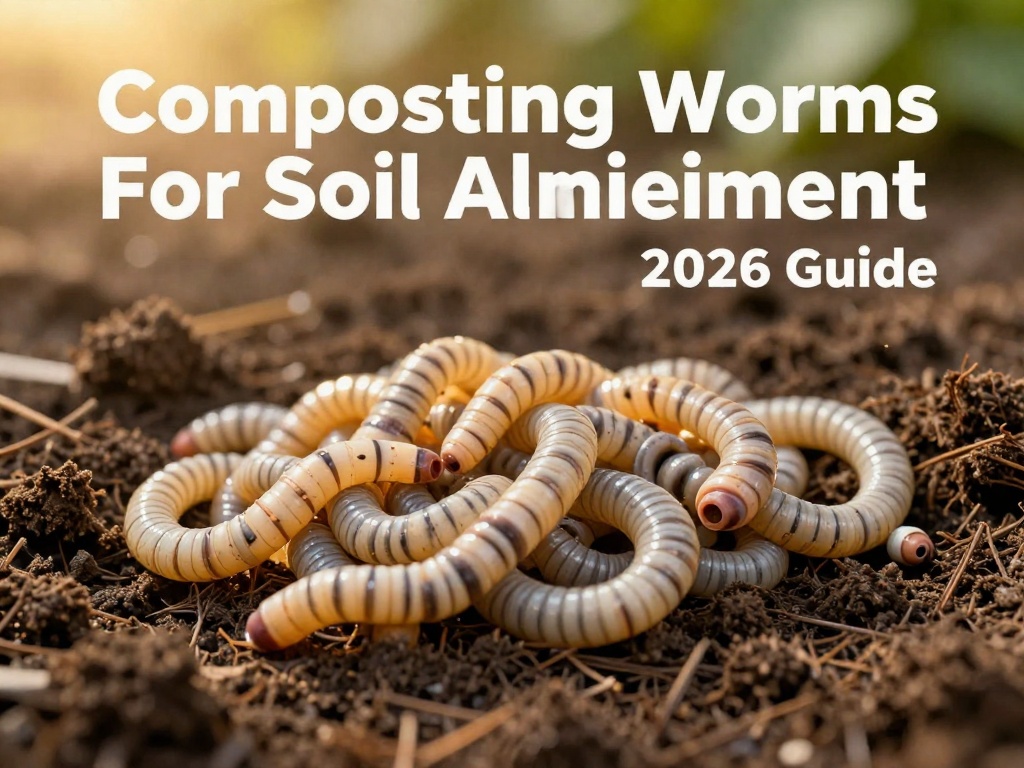
How to Use Composting Worms for Soil Amendment: 2026 Guide
Composting worms for soil amendment represent one of the most effective natural approaches available to modern gardeners. These remarkable creatures transform kitchen scraps and organic matter into nutrient-rich vermicompost that dramatically improves soil health. Whether you maintain a small backyard garden or manage raised beds, understanding how to harness the power of composting worms can revolutionize your soil amendment strategy.
What Are Composting Worms?
Composting worms, specifically red wigglers (Eisenia fetida), are specialized earthworms bred for efficient organic matter decomposition. Unlike garden worms that burrow deep into soil, composting worms thrive in the top layers where organic material accumulates. These species process organic waste 2-3 times faster than traditional composting methods, making them ideal partners for sustainable soil management.
The Science Behind Vermicomposting
When worms consume organic material, they break it down through both mechanical digestion and microbial activity in their gut. The resulting castings contain five times more nitrogen, seven times more phosphorus, and eleven times more potassium than ordinary topsoil. This concentrated nutrient profile makes vermicompost exceptionally valuable for soil amendment applications.
Benefits of Composting Worms for Soil Amendment
Integrating composting worms into your soil amendment practices yields remarkable results that extend far beyond simple nutrient addition. Gardeners who adopt vermicomposting report healthier plants, improved water retention, and reduced pest pressure across their growing spaces.
Enhanced Soil Structure
Worm castings improve soil structure by creating stable aggregates that enhance porosity and water-holding capacity. These microscopic structures allow plant roots to access oxygen while retaining moisture during dry periods. Research published by the Ohio State University Extension confirms that vermicompost-amended soils show significantly improved tilth and workability compared to unamended controls.
Disease Suppression
Vermicompost introduces beneficial microorganisms that compete with plant pathogens, reducing disease incidence in gardens. The beneficial bacteria and fungi in worm castings create a protective zone around roots, suppressing harmful organisms through competition and natural antagonism. This biological warfare approach offers organic gardeners a powerful tool for maintaining plant health without synthetic inputs.
Environmental Advantages
Using composting worms for soil amendment reduces dependence on synthetic fertilizers while diverting organic waste from landfills. Every pound of kitchen scraps processed by worms represents materials that would otherwise contribute to methane production in garbage dumps. This closed-loop system exemplifies sustainable agriculture principles applicable at any scale.
Getting Started: Setting Up Your Worm Bin
Beginning your vermicomposting journey requires minimal equipment and investment, making it accessible for beginners in any living situation. The key lies in selecting appropriate containers, bedding materials, and establishing correct conditions from the start.
Choosing the Right Worm Species
Red wigglers remain the premier choice for home vermicomposting due to their adaptability and voracious appetites. These composting worms tolerate temperature variations better than other species and reproduce rapidly under favorable conditions. European nightcrawlers serve as an excellent alternative, particularly for fishermen seeking dual-purpose worms.
Selecting and Preparing Your Container
Bins should hold approximately 1-2 cubic feet of material, providing enough space for comfortable worm movement and food storage. Wooden boxes offer superior breathability, while plastic containers prove easier to clean and maintain. Whatever material you choose, ensure adequate drainage holes to prevent waterlogging that could drown your worms.
Creating Optimal Bedding
Bedding serves as the worms' home and should consist of shredded newspaper, cardboard, coconut coir, or peat moss. Moisten bedding until it reaches the consistency of a wrung-out sponge, approximately 70-80% moisture content. This damp but not dripping environment allows worms to move freely while preventing anaerobic conditions.
Introducing Worms to Their New Home
Add approximately one pound of worms per square foot of bin surface area when starting your colony. Place worms on top of prepared bedding and allow them to burrow down naturally over several hours. Avoid exposing worms to direct sunlight or extreme temperatures during this introduction period.
Feeding Your Composting Worms
Composting worms consume most household organic waste, converting kitchen scraps into valuable soil amendment over time. Understanding proper feeding techniques ensures healthy worm populations and consistent vermicompost production.
What to Feed Your Worms
Excellent worm foods include fruit and vegetable scraps, coffee grounds and filters, tea bags, crushed eggshells, and small amounts of bread or grains. Worms particularly relish watermelon rinds, banana peels, and leafy greens. Coffee grounds especially stimulate beneficial microbial activity in the worm digestive system.
Foods to Avoid
Certain materials harm composting worms and should never enter your bin. Citrus fruits, onions, garlic, and spicy foods can create acidic conditions harmful to worms. Meat, dairy, oily foods, and pet waste attract pests and create odor problems. Stick to plant-based materials for healthiest worm populations.
Feeding Frequency and Portions
Start conservatively by burying small amounts of food every few days, then adjust based on consumption rates. Composting worms process roughly half their body weight in food weekly, so one pound of worms handles approximately half a pound of kitchen scraps. Observe your bin's activity levels to refine feeding schedules.
Maintaining Your Vermicomposting System
Regular maintenance ensures productive worm populations and high-quality vermicompost for soil amendment applications. Simple monitoring routines prevent problems before they impact your colony.
Checking Moisture Levels
Proper moisture proves essential for worm health and decomposition efficiency. Squeeze bedding firmly; a few drops should emerge, but water should not stream freely. Add dry materials if the bin becomes too wet, or lightly mist with water if contents dry out.
Monitoring Temperature
Composting worms thrive between 55-75°F (13-24°C), with optimal activity occurring in the 65-70°F range. During winter months, relocate your bin to a garage, basement, or insulated area. Summer heat requires shade and potentially cooling measures to prevent worm mortality.
Preventing and Addressing Problems
Odor indicates problems requiring immediate attention; healthy worm bins smell like forest floor earth. Strong ammonia smells suggest overfeeding; reduce food quantities and add dry bedding. Moldy patches mean food was buried too deeply; bury future additions near the surface where oxygen reaches.
Applying Vermicompost to Your Garden
Using finished vermicompost for soil amendment requires understanding proper application rates and timing for maximum benefit. The concentrated nature of worm castings means less product delivers more results compared to traditional compost.
Harvesting Finished Vermicompost
Vermicompost typically becomes ready for harvest in 2-4 months depending on conditions and feeding rates. Signs of readiness include dark, crumbly texture and earthy smell. Harvest by pushing contents to one side, adding fresh bedding and food to the empty half, and allowing worms to migrate toward the new material over 1-2 weeks.
Application Rates for Different Situations
For garden beds, work 1-2 inches of vermicompost into the top 6 inches of soil before planting. Container plants benefit from 20-30% vermicompost mixed into potting medium. Top dressing established plants requires only thin applications of 1/4-1/2 inch around the root zone every 4-6 weeks during the growing season.
Timing Your Applications
Apply vermicompost for soil amendment during spring planting preparation and again at mid-season for continued feeding. Fall application allows nutrients to integrate into soil structure over winter. Container plants appreciate more frequent, lighter applications throughout the growing season.
Common Mistakes to Avoid
Understanding typical errors helps beginners establish successful vermicomposting systems more quickly. Most problems stem from a few common missteps that are easily prevented with proper knowledge.
Overfeeding Issues
Adding too much food simultaneously creates anaerobic conditions and attracts fruit flies. Feed smaller amounts more frequently rather than large quantities at once. If food accumulates faster than worms consume it, reduce portions and allow the population to grow naturally.
Environmental Extremes
Temperature fluctuations stress worm populations and slow decomposition significantly. Position bins away from heating vents, air conditioners, and direct sunlight. During extreme weather, prioritize temperature stability over optimal ranges; worms tolerate temporary conditions better than rapid changes.
Ignoring Drainage
Standing water drowns worms while overly dry conditions cause migration or death. Ensure drainage holes remain clear and functional. Place a collection tray beneath bins to capture liquid, which serves as an excellent liquid fertilizer when diluted 10:1 with water.
Frequently Asked Questions
How long does it take to produce usable vermicompost?
With proper conditions, composting worms produce finished vermicompost in 2-4 months. Factors affecting timeline include temperature, feeding frequency, bin size, and worm population density. Warmer temperatures and consistent feeding accelerate the process significantly.
Can I use composting worms for soil amendment in containers?
Absolutely! Vermicompost works exceptionally well in containers, mixed at 20-30% ratio with potting soil. You can also add a small handful of active worms to large containers where they will continue processing organic matter and enriching soil around plant roots.
What is the cost to start vermicomposting?
Starting costs range from $30-100 depending on whether you build or purchase your bin. A simple plastic storage bin with holes costs under $20, while stacking tray systems range higher. Worms themselves cost $15-40 per pound. However, ongoing costs are minimal since worms reproduce and maintain their own population.
Why do my worms try to escape the bin?
Worm escape attempts indicate uncomfortable conditions in their environment. Common causes include excessive moisture, temperature extremes, acidic conditions from citrus or coffee, or overcrowding. Investigate environmental factors and adjust accordingly; healthy worms should remain contentedly in their bedding.
Does vermicompost smell bad when used in gardens?
Properly finished vermicompost has a pleasant, earthy smell similar to forest soil. When applied correctly to gardens, it enhances soil biology without creating odors. The product actually helps neutralize unpleasant soil conditions over time by introducing beneficial microorganisms.
Can I add worms directly to garden soil instead of composting first?
While worms will eventually improve soil they inhabit, this approach works slowly and may expose worms to predators and environmental stress. Composting worms in a controlled bin produces concentrated vermicompost that delivers results faster and more reliably than direct garden application.
0 Response to "How to Use Composting Worms for Soil Amendment: 2026 Guide"
Post a Comment