
Roller Crimper Cover Crop Termination Methods: 2026 Guide
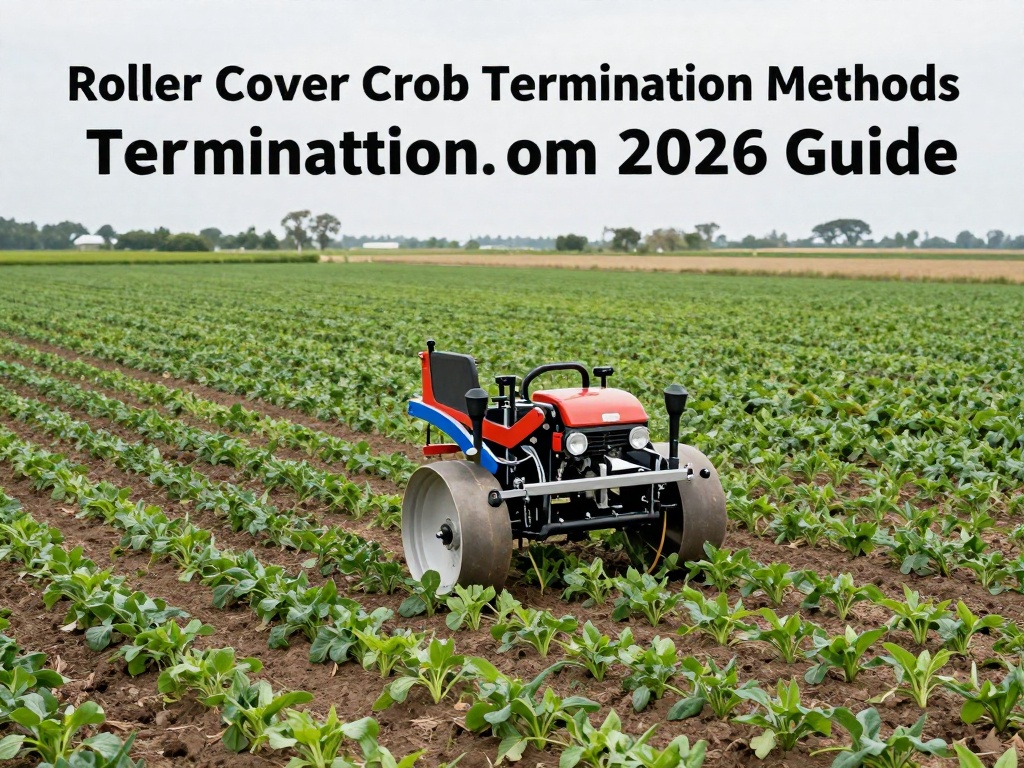
Roller Crimper Cover Crop Termination Methods: 2026 Guide
Cover crops have become an essential component of sustainable farming systems, and understanding effective roller crimper cover crop termination methods is crucial for successful implementation. Whether you are a seasoned farmer transitioning to no-till practices or a beginner exploring organic methods, mastering termination techniques can significantly impact your soil health and crop yields. This comprehensive guide walks you through everything you need to know about terminating cover crops using roller crimpers in 2026.
What Is a Roller Crimper?
A roller crimper is a heavy drum equipped with curved blades or crimping bars designed to crush and terminate cover crops by crimping the plant stems. The crimping action damages the vascular tissue of the cover crop, preventing regrowth while leaving the biomass on the soil surface as protective mulch. This equipment has become increasingly popular among farmers practicing conservation agriculture because it eliminates the need for herbicides or tillage implements.
Modern roller crimpers come in various designs, including front-mounted, rear-mounted, and combination units that integrate with seed drills. The effectiveness of termination depends on several factors, including crop species, growth stage, soil conditions, and proper crimping technique.
Best Cover Crops for Roller Crimping
Not all cover crops respond equally well to roller crimping. Understanding which species terminate effectively through mechanical means helps ensure successful weed suppression and soil building.
Cereal Rye
Cereal rye remains the gold standard for roller crimping termination due to its winter hardiness and biomass production. The thick stems crimp easily when rolled at the proper growth stage, creating an effective mulch layer that suppresses weeds throughout the growing season. Rye typically requires rolling at anthesis, approximately 10-14 days after heading, for maximum termination rates.
Crimson Clover and Legumes
Leguminous cover crops like crimson clover present challenges for roller crimping termination. These species often regrow from crown buds even after severe crimping, making them better suited for situations where some regrowth is acceptable or where supplemental control methods are available.
Annual Ryegrass
Annual ryegrass creates substantial biomass but demonstrates variable termination success with roller crimpers alone. The fine stems often regrow after crimping, so farmers typically combine mechanical termination with strategic herbicide applications for complete control.
Step-by-Step Roller Crimping Process
Successful termination requires attention to timing, equipment settings, and environmental conditions. Follow these essential steps for optimal results when using roller crimper cover crop termination methods.
Step 1: Monitor Growth Stage Carefully
The growth stage at which you roll determines termination success. Most cereal grains should be rolled at the anthesis stage, when pollen shed is visible. Rolling too early results in incomplete termination and potential regrowth. Rolling too late may cause seed shedding and create volunteer plant problems in subsequent crops.
Step 2: Ensure Adequate Soil Moisture
Soil moisture conditions significantly affect crimping effectiveness. Rolling when soils are too wet causes rutting and uneven termination. Conversely, extremely dry soils may result in incomplete stem crimping. Aim for soil moisture in the workable range, typically 40-60% of field capacity, for optimal results.
Step 3: Adjust Equipment Speed and Pressure
Ground speed influences termination effectiveness considerably. Most roller crimpers achieve optimal results at speeds between 5-8 miles per hour. Slower speeds may provide inadequate stem crimping, while excessive speeds can cause equipment bouncing and uneven coverage. Ensure adequate weight is added to the roller drum according to manufacturer recommendations.
Step 4: Plan for Multiple Passes if Necessary
Some situations require perpendicular passes to achieve complete termination. A cross-directional rolling pattern ensures that all plant stems receive adequate crimping pressure. Evaluate termination rates 7-10 days after rolling and plan supplemental control measures if significant regrowth occurs.
Integrating Termination with Planting
Timing the roller crimping operation relative to cash crop planting requires careful planning. Understanding your region's growing season and typical weather patterns helps optimize both termination and planting windows for maximum success.
Rolling Before Planting
The most common approach involves rolling cover crops 2-3 weeks before cash crop planting. This timing allows the terminated biomass to begin decomposition while still maintaining surface coverage. The decomposition period also reduces potential allelopathic effects on germinating cash crop seeds.
Rolling After Planting
Some farmers practice planting green, where cash crops are seeded into standing cover crops before rolling. This technique works particularly well in regions with short growing seasons. The cash crop seedlings emerge while the cover crop provides weed suppression, and rolling occurs once the cash crop has established a few leaves.
Combining Methods for Complete Termination
While roller crimping provides effective termination for many cover crop species, integrating additional methods ensures more reliable results, particularly for challenging species or in organic systems where herbicide use is restricted.
Mechanical and Cultural Combinations
Combining roller crimping with targeted mowing, flailing, or strategic cultivation enhances termination rates significantly. Some farmers report 95% or higher termination success when crimping is followed by light disking or field cultivation after the cover crop has been stressed by crimping.
Organic Herbicide Options
Organic-compliant herbicides based on acetic acid or citric acid can supplement mechanical termination, particularly for leguminous cover crops. These products work best when applied immediately after crimping to stressed vegetation under warm, sunny conditions.
Benefits of Roller Crimper Termination Methods
Adopting roller crimper cover crop termination methods offers numerous advantages for farmers committed to sustainable and regenerative agriculture practices.
- Reduced herbicide dependency: Mechanical termination decreases reliance on synthetic herbicides, supporting organic certification goals and reducing chemical costs.
- Soil erosion protection: Maintaining surface residue shields soil from wind and water erosion, particularly during vulnerable periods between cash crops.
- Weed suppression: The thick mulch layer created by terminated cover crops suppresses weed germination and early growth throughout the season.
- Soil moisture conservation: Surface residue reduces evaporation and helps maintain consistent soil moisture levels during dry periods.
- Soil biology support: Eliminating tillage preserves soil fungal networks and earthworm populations that contribute to long-term soil health.
Common Mistakes to Avoid
Understanding typical pitfalls helps farmers achieve more consistent results with roller crimper termination methods. Avoiding these errors saves time, money, and frustration.
Rolling Too Early or Too Late
Timing remains the most critical factor in termination success. Rolling before the anthesis stage often results in regrowth, while delayed rolling can cause seed production and volunteer problems. Regular field monitoring during the transition period helps identify optimal timing windows.
Insufficient Equipment Weight
Underweighted roller crimpers fail to adequately crush thick stems, particularly in cereal rye and other large-diameter species. Adding sufficient weight to achieve 150-200 pounds per foot of roller width typically provides adequate crimping pressure for most cover crop situations.
Ignoring Weather Forecasts
Environmental conditions following termination significantly influence success rates. Rolling before extended cloudy or cool periods can slow plant death and allow regrowth. Aim for warm, sunny conditions during and after termination for fastest results.
FAQ: Roller Crimper Cover Crop Termination Methods
When is the best time to roller crimp cover crops?
The optimal time to roller crimp most cereal cover crops is at the anthesis stage, typically 10-14 days after heading begins. This growth stage ensures that the plants have reached sufficient maturity for effective stem crimping while preventing seed maturity. Monitor fields closely as the optimal window may only last 5-7 days.
Can roller crimping completely terminate all cover crop species?
Roller crimping effectively terminates grasses like cereal rye, triticale, and wheat with 85-95% success rates when performed correctly. Leguminous cover crops and certain brassicas often require supplemental control methods because they regrow from crown tissue. Always evaluate termination rates and plan for follow-up management where needed.
What equipment do I need for roller crimping?
At minimum, you need a roller crimper implement, which can be purchased as a dedicated unit or constructed from a heavy drum with welded crimping bars. The implement can be front-mounted, rear-mounted, or pulled behind the tractor. Additional equipment includes adequate tractor weight capacity and potentially a seeder for cash crop planting through residue.
How does roller crimping affect weed control?
Roller crimping provides excellent pre-emergent weed suppression by creating a dense mulch layer that blocks light to weed seeds and physically impedes seedling emergence. Studies show 60-90% reduction in early-season weed pressure compared to bare soil systems, though some weeds that emerge through residue may require additional management.
What are the main challenges with roller crimper termination?
The primary challenges include timing sensitivity, incomplete termination of certain species, dependence on weather conditions, and potential cash crop planting delays. Equipment cost and the learning curve associated with optimal timing also present barriers for farmers new to the practice. Beginning with smaller acreages helps build experience before large-scale adoption.
How long does it take for terminated cover crops to decompose?
Decomposition rates vary based on temperature, moisture, carbon-to-nitrogen ratio, and soil biology activity. Cereal rye residue typically takes 4-8 weeks to become incorporated into the soil profile under favorable conditions. The surface mulch remains functional for weed suppression for 60-90 days, gradually breaking down as the growing season progresses.
0 Response to "Roller Crimper Cover Crop Termination Methods: 2026 Guide"
Post a Comment