
Vermicompost Tea Brewing Application Methods: 2026 Guide
Vermicompost Tea Brewing Application Methods: 2026 Complete Guide
Vermicompost tea brewing application methods have become essential techniques for organic gardeners seeking natural ways to nourish their plants. This powerful liquid fertilizer harnesses the beneficial microorganisms and nutrients from worm castings, creating a potent elixir that transforms garden health. Whether you grow vegetables, flowers, or houseplants, understanding how to brew and apply vermicompost tea properly can dramatically improve your gardening results. In this comprehensive 2026 guide, you will learn everything you need to start making and using this organic powerhouse in your garden.
What is Vermicompost Tea?
Vermicompost tea is a liquid solution created by steeping vermicompost (worm castings) in water. This process extracts beneficial bacteria, fungi, nematodes, and nutrients from the worm castings into a form that plants can readily absorb. Unlike synthetic fertilizers, vermicompost tea introduces living microorganisms into the soil, improving soil structure and plant immunity naturally.
The brewing process allows gardeners to concentrate the benefits of solid vermicompost into a liquid form that can be easily applied to both soil and foliage. This makes it ideal for container plants, raised beds, and large garden areas where applying solid compost would be impractical or too time-consuming.
Why Use Vermicompost Tea Instead of Solid Castings?
While solid worm castings provide excellent soil amendments, vermicompost tea offers unique advantages that make it preferable for many applications. The liquid form allows for faster nutrient uptake by plant roots and leaves, delivering immediate benefits during critical growth periods.
Tea application reaches underground root systems more efficiently than top-dressing with solid material. Foliar spraying with diluted tea creates a protective microbial layer on leaves that can suppress certain plant diseases. For beginners in small spaces, tea brewing requires minimal equipment and storage compared to keeping bulk compost on hand.
Benefits of Vermicompost Tea for Your Garden
Understanding the benefits of vermicompost tea helps motivate consistent application throughout the growing season. Research from agricultural universities consistently shows that regular application of quality compost tea improves plant vigor, flower production, and fruit yield across many crop types.
Nutritional Benefits
Vermicompost contains trace minerals including iron, zinc, calcium, and magnesium that plants need for healthy development. When steeped into tea, these minerals become more bioavailable, meaning plant roots can absorb them more efficiently than with dry fertilizer applications.
The beneficial bacteria in properly brewed tea outcompete harmful pathogens in the soil, creating a healthier root environment. This biological diversity improves soil structure over time, increasing water retention in sandy soils while improving drainage in clay soils.
Environmental and Economic Benefits
Home brewing vermicompost tea reduces dependence on commercial fertilizers that contribute to waterway pollution through runoff. One batch of tea costs only pennies to produce compared to purchasing bottled organic fertilizers that contain similar ingredients.
Gardeners who maintain worm bins create a closed-loop system where kitchen scraps become worm food, which produces castings, which make tea for garden plants, which produce kitchen scraps again. This sustainability cycle appeals to environmentally conscious growers seeking to minimize their gardening footprint.
Step-by-Step Vermicompost Tea Brewing Process
Mastering the brewing process ensures you consistently produce high-quality tea with maximum beneficial organisms. The basic method works well for beginners and requires only simple equipment that most gardeners already own.
Materials Needed
- 1 cup of quality vermicompost (worm castings)
- 1 gallon of non-chlorinated water (rainwater or let tap water sit 24 hours)
- 5-gallon bucket or large glass container
- Wooden stick or plastic spoon for stirring
- Cheesecloth, mesh bag, or old pantyhose for straining
- Air pump with aquarium bubbler (optional but recommended)
The Basic Brewing Method for Beginners
Place one cup of vermicompost into your straining container and tie it securely. Submerge the bag in one gallon of non-chlorinated water at room temperature. If using an air pump, place the bubbler stone in the bucket and run continuously for 24-48 hours. Without aeration, steep the tea for 3-5 days, stirring twice daily.
The extended steeping time without air helps anaerobic beneficial organisms multiply. After brewing, remove the compost bag and squeeze out excess liquid. Dilute the concentrate 1:1 with water for soil application or 1:2 for delicate seedlings and foliar spraying.
Aerated Compost Tea Method
Aerated brewing produces tea with higher oxygen levels that support aerobic bacteria most beneficial for plant health. Set up your air pump before adding compost to prevent dry running damage. Maintain water temperature between 65-75°F for optimal bacterial growth.
Brew for 24-48 hours maximum, as longer brewing causes oxygen depletion and can promote anaerobic conditions harmful to plants. Use the tea immediately after brewing, as beneficial organisms begin dying within hours of turning off the air pump.
Application Methods for Maximum Effectiveness
Applying vermicompost tea correctly determines how much benefit your plants receive from the brewing effort. Different application methods suit various situations, and rotating between methods throughout the season provides the most comprehensive plant nutrition.
Soil Drenching Technique
Pour diluted tea directly onto the soil around plant bases, targeting the root zone where plants absorb nutrients most efficiently. Apply at the base of each plant until the soil is thoroughly moistened but not waterlogged. This method introduces beneficial microorganisms directly to the root environment where they colonize and protect plant tissues.
For established perennials, apply tea monthly during the growing season. Vegetables and annual flowers benefit from bi-weekly applications during peak production periods. Container plants respond well to tea application every 7-10 days since container soil lacks the biological diversity of garden beds.
Foliar Spray Application
Strain tea thoroughly through cheesecloth to remove particles that could clog spray equipment. Dilute at 1:2 ratio and spray directly onto plant leaves, covering both upper and lower leaf surfaces. Apply early morning or evening to prevent leaf burn and allow maximum absorption time.
Foliar feeding delivers nutrients directly to leaf cells, providing quick results for plants showing deficiency symptoms. The beneficial bacteria on leaf surfaces also create barriers against fungal diseases like powdery mildew and botrytis. Spray every 2-3 weeks during active growth for best results.
Drip Irrigation Integration
For larger gardens, inject brewed tea into drip irrigation systems using a fertilizer injector or proportioner. This automates application and ensures consistent delivery throughout the growing area. Flush irrigation lines after each tea application to prevent organic buildup that could cause clogs.
Dilute tea 1:4 or more when using through drip systems, and apply weekly rather than daily to prevent nutrient overload. This method works exceptionally well for raised beds and row crops where manual application would be time-prohibitive.
Best Practices and Troubleshooting
Following proven practices helps ensure successful brewing and application every time. Understanding common problems and their solutions prevents wasted effort and disappointing results.
Signs of Good Vermicompost Tea
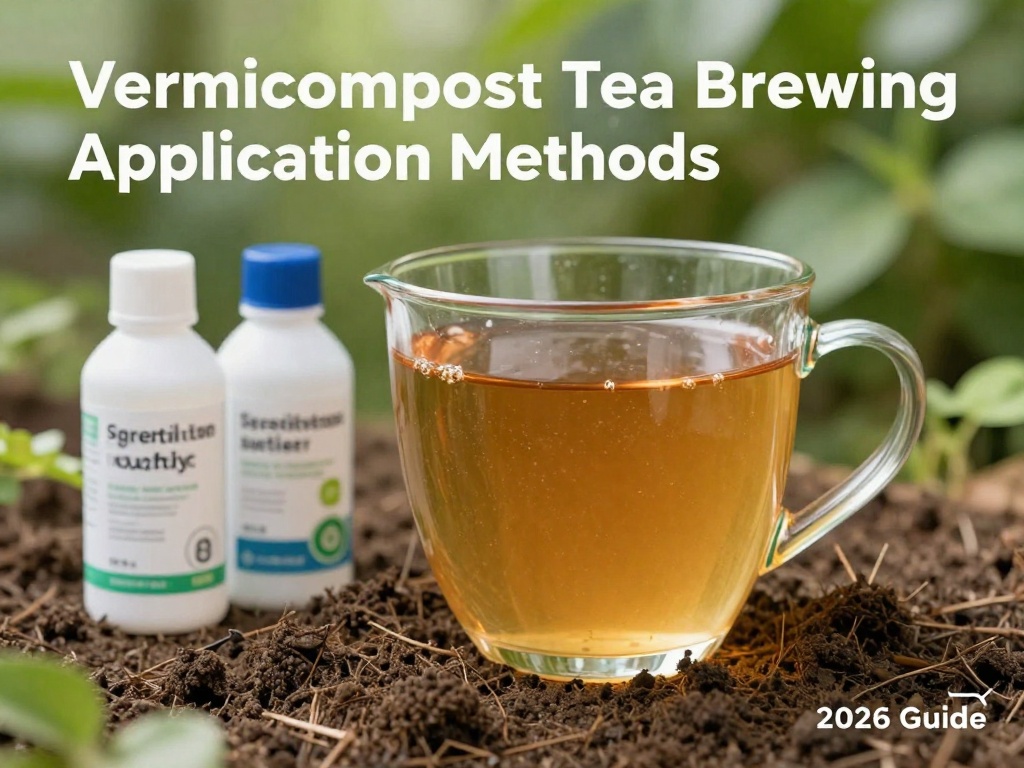
Quality brewed tea should have an earthy, rich smell similar to good garden soil. The color ranges from light brown to dark amber depending on compost concentration. Active tea may show slight foam on the surface, indicating beneficial bacterial activity.
Common Mistakes to Avoid
Using chlorinated water kills beneficial organisms during brewing, eliminating the primary advantage of tea over plain fertilizer. Brewing too long creates anaerobic conditions that produce unpleasant odors and harmful compounds. Applying undiluted tea can burn delicate plant tissues, especially young seedlings.
Storing finished tea for more than a few hours allows beneficial organisms to die off, reducing effectiveness. Always brew fresh batches and use immediately for maximum benefit. Starting with low-quality vermicompost produces inferior tea regardless of brewing technique.
When to Apply Vermicompost Tea
Timing applications to coincide with plant needs maximizes the return on your brewing investment. Plants have specific periods when they benefit most from nutrient supplementation and biological support.
Seasonal Application Schedule
Begin spring applications after soil temperatures warm above 55°F, when microbial activity resumes in garden soil. Increase frequency during active growth in late spring and early summer when plants demand maximum nutrients for flowering and fruit development.
Reduce applications during extreme summer heat, which stresses plants and accelerates tea evaporation. Resume regular applications in fall to support root development before winter dormancy. Pre-transplant applications help seedlings establish quickly in their new locations.
Cost and Effort Analysis
Understanding the investment required helps you plan your vermicompost tea program realistically. Both cost and labor considerations factor into determining sustainable application frequency.
Startup Costs
Initial equipment investment ranges from minimal to moderate depending on whether you choose basic or aerated methods. A simple bucket system costs under $10, while quality aerated brewing setups run $30-50 for pumps and accessories. Worm bin systems for producing your own vermicompost add $20-100 depending on size and design.
After startup, ongoing costs are negligible since you only need vermicompost (free if you maintain your own worm bin) and water. Electricity for aeration pumps adds minimal cost, roughly $1-2 monthly for continuous operation during brewing.
FAQ: Vermicompost Tea Brewing Application Methods
How often should I apply vermicompost tea to my plants?
Apply vermicompost tea every 1-2 weeks during the active growing season for optimal results. Container plants benefit from weekly applications since soil volume is limited. Outdoor garden beds can be maintained with bi-weekly applications. Reduce frequency during dormancy periods or extreme weather conditions.
Can I use vermicompost tea on seedlings and young plants?
Yes, vermicompost tea is excellent for seedlings when properly diluted. Use a 1:3 or 1:4 dilution ratio for young plants and tender seedlings to prevent any potential burn from concentrated nutrients. Apply gently at the soil surface rather than as heavy drenching for delicate young plants.
How long does brewed vermicompost tea last?
Use freshly brewed tea within 4-6 hours for maximum benefit since beneficial organisms begin dying immediately after brewing stops. Aerated tea should be used within 24-48 hours. If you must store tea, keep it in a sealed container in a cool, dark place, but expect reduced effectiveness compared to fresh application.
What's the difference between aerated and non-aerated brewing methods?
Aerated brewing uses air pumps to increase oxygen levels, promoting aerobic bacteria that are most beneficial for plant health. Non-aerated brewing creates anaerobic conditions favoring different bacterial populations. Aerated methods produce tea faster (24-48 hours) while non-aerated requires 3-5 days but may contain broader microbial diversity.
Can I add other ingredients to my vermicompost tea?
Adding molasses (1-2 tablespoons per gallon) provides food for bacteria, increasing microbial populations. Some gardeners add kelp extract for additional micronutrients or fish emulsion for extra nitrogen. Avoid adding too many ingredients, as this can create unbalanced tea or cause unpleasant odors during brewing.
Why does my vermicompost tea smell bad?
Foul-smelling tea indicates anaerobic conditions, usually from brewing too long, using chlorinated water, or inadequate aeration. Bad odors mean the beneficial aerobic bacteria have been replaced by harmful anaerobic organisms. Discard the batch and start fresh with improved brewing conditions.
Is vermicompost tea effective for all types of plants?
Vermicompost tea benefits virtually all plants including vegetables, fruits, flowers, herbs, trees, shrubs, and houseplants. The balanced nutrition and beneficial microorganisms support healthy growth across species. Adjust application frequency based on plant type—heavy feeders like tomatoes benefit from more frequent applications than drought-tolerant succulents.
Can I use store-bought vermicompost for tea brewing?
Yes, quality store-bought vermicompost works well for tea brewing. Look for products labeled as pure worm castings without added fertilizers or chemicals. Check that the product smells earthy and earthy rather than sour, which indicates proper processing. Organic certifications ensure the vermicompost comes from untreated organic materials.
0 Response to "Vermicompost Tea Brewing Application Methods: 2026 Guide"
Post a Comment