
2026 Guide to Earthworm Casting Harvest Collection Methods
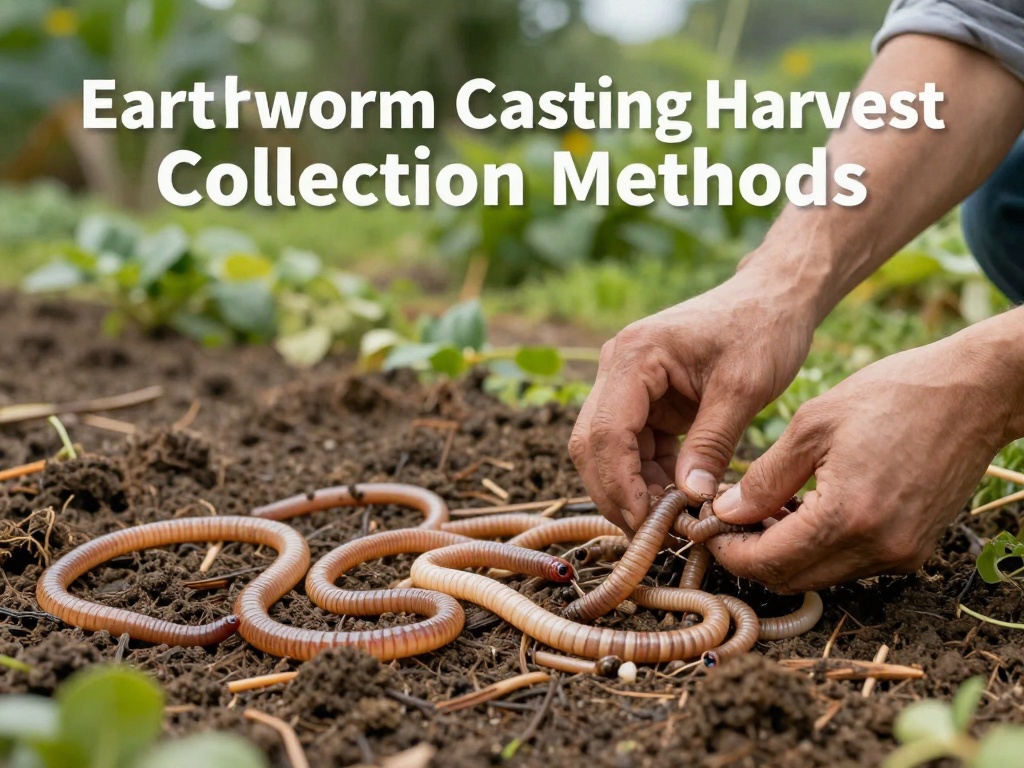
2026 Guide to Earthworm Casting Harvest Collection Methods
Earthworm casting harvest collection methods are essential techniques for anyone involved in vermicomposting or worm farming. These nutrient-rich castings represent one of the most valuable organic fertilizers available to gardeners and farmers alike. If you're looking to optimize your worm bin productivity and learn how to collect earthworm castings efficiently, this comprehensive guide covers everything you need to know for successful harvest collection in 2026.
What Are Earthworm Castings?
Earthworm castings, also known as vermicompost or worm manure, are the rich organic matter that passes through an earthworm's digestive system. These castings contain beneficial microorganisms, enzymes, and essential plant nutrients including nitrogen, phosphorus, and potassium. Unlike traditional compost, worm castings are processed through the earthworm's gut, which transforms organic matter into a form plants can easily absorb.
The quality of your earthworm castings depends significantly on your harvest collection methods. Proper collection ensures you preserve the beneficial biology while efficiently separating castings from bedding materials and worms.
Why Learning Proper Harvest Collection Methods Matters
Mastering earthworm casting harvest collection methods offers numerous advantages for your garden and soil health. Understanding these benefits motivates proper technique adoption.
- Maximum nutrient retention: Proper methods preserve the beneficial microorganisms and nutrients in your castings
- Worm population protection: Good techniques ensure worms return safely to their habitat
- Time efficiency: Streamlined collection saves hours of manual labor
- Higher quality end product: Clean castings work better as fertilizer and soil amendments
- Continuous production: Proper harvesting encourages ongoing worm activity and casting production
7 Proven Earthworm Casting Harvest Collection Methods for 2026
1. Manual Collection Method (Hand Sorting)
The manual collection method represents the most straightforward approach to earthworm casting harvest collection. This technique works exceptionally well for small-scale operations and beginners learning vermicomposting basics.
Step-by-step process:
- Remove the top layer of bedding material from your worm bin
- Sift through the casting material by hand, breaking up clumps
- Separate visible worms and place them back in fresh bedding
- Remove any undecomposed food scraps or large debris
- Collect the clean castings into a storage container
This method provides complete control over the separation process but requires significant time investment for larger operations.
2. Mechanical Trommel Screen Method
For those managing commercial vermicomposting operations, the trommel screen method offers efficient large-scale earthworm casting harvest collection. This mechanical approach uses a rotating cylindrical screen to separate castings from worms and debris.
Key advantages include:
- Processes large quantities quickly and consistently
- Separates worms naturally as they move away from light and vibration
- Produces uniformly textured casting material
- Reduces labor requirements significantly
Commercial trommel screens range from portable units suitable for small farms to industrial-scale systems designed for high-volume production facilities.
3. Migration or "Push and Pull" Collection Method
The migration method leverages earthworms' natural behavior to escape light and handle new food sources. This technique forms an integral part of most professional earthworm casting harvest collection methods.
How to implement this technique:
- Add fresh bedding and food scraps to one section of your bin
- Leave the opposite section undisturbed with mature castings
- Cover the food section with cardboard or dark material
- Wait 1-2 weeks while worms migrate toward the new food
- Harvest castings from the vacated section
This method proves particularly effective for maintaining healthy worm populations while continuously producing harvestable castings.
4. Cold Shock Method for Worm Separation
Cold shock represents a popular technique within earthworm casting harvest collection methods for separating worms from finished material. Earthworms naturally move away from extreme temperatures, making this method highly effective.
Procedure:
- Spread fresh castings in a thin layer on a tarp in direct sunlight
- The surface heats up while cooler conditions persist below
- Worms migrate downward to escape the heat
- Scrape off the top layer of castings as worms concentrate below
- Collect worms from the remaining material and return to bin
Monitor temperatures carefully to avoid harming worms. This technique works best during warm months when ambient temperatures naturally support the process.
5. Light Exploitation Collection Method
Earthworms possess strong negative phototaxis, meaning they instinctively move away from light. This biological response makes the light exploitation method one of the most humane earthworm casting harvest collection methods available.
Implementation steps:
- Create a cone-shaped pile of casting material in bright light
- Position a bright lamp directly above the pile center
- Worms will migrate to the outside edges and downward
- Gradually remove outer layers while worms concentrate inward
- Continue until you have separated most castings from worms
This technique requires patience but produces excellent separation results without mechanical equipment or temperature manipulation.
6. Horizontal Shaker Box Method
The horizontal shaker box represents an intermediate-level approach to earthworm casting harvest collection methods. This technique uses vibration and screening to achieve separation efficiently.
Equipment needed:
- A rectangular box with mesh or screen bottom
- Wooden frame with gentle incline capability
- Manual or mechanical shaking mechanism
- Collection trays for separated materials
Castings pass through the screen while worms and debris remain on top. The gentle shaking motion encourages worm movement without causing harm.
7. Dump and Sort Collection Method
The dump and sort method serves as a practical fallback technique within earthworm casting harvest collection methods. This approach works well when other techniques aren't feasible.
Process overview:
- Empty the entire worm bin contents onto a large tarp or concrete surface
- Create multiple small mounds of material
- Allow worms to burrow down as the material dries slightly
- Remove the top portions of each mound repeatedly
- Continue until only worms and minimal material remains
Work quickly to prevent castings from drying out excessively during the collection process.
Step-by-Step: Your First Earthworm Casting Harvest in 2026
Following a systematic approach ensures successful results when implementing earthworm casting harvest collection methods for the first time.
When to Harvest Your Earthworm Castings
Timing significantly impacts your harvest success. Watch for these indicators that castings are ready for collection:
- Original bedding material has transformed into dark, crumbly-textured castings
- Earthworm populations appear healthy and active
- No recognizable food scraps remain in the material
- The casting material has an earthy, pleasant aroma
- Usually ready 2-4 months after setting up a new worm bin
Preparation Steps Before Collection
Proper preparation prevents problems during the harvest process. Gather your materials beforehand:
- Clean collection containers with ventilation holes
- Fresh bedding materials (shredded paper, coconut coir)
- Protective gloves for handling
- Sturdy tarp for workspace
- Spray bottle with water for moisture control
Common Mistakes to Avoid During Collection
Understanding typical errors helps you sidestep problems when implementing earthworm casting harvest collection methods.
Mistake #1: Harvesting Too Early
Removing material before adequate decomposition creates problems. Unfinished castings may contain pathogens and won't provide optimal plant nutrition. Always ensure material has fully processed before collection.
Mistake #2: Allowing Castings to Dry Out
Excessively dry castings lose beneficial microorganisms and become difficult to handle. Maintain slight moisture throughout the collection process by misting materials as needed.
Mistake #3: Forgetting to Protect Worm Populations
Successful vermicomposting depends on healthy worm populations. Always return worms to appropriate habitat conditions immediately after separation from castings.
Mistake #4: Rushing the Separation Process
Patience produces better results. Quick harvesting often leaves worms embedded in castings or damages delicate earthworm populations during collection.
Storing and Using Your Harvested Earthworm Castings
Proper post-harvest handling preserves the quality of your earthworm castings. Follow these guidelines for optimal results:
- Storage containers: Use breathable bags or open containers in cool, dark locations
- Moisture levels: Maintain damp but not saturated conditions
- Usage rates: Apply 1-2 inches as soil amendment or 10-20% concentration in potting mixes
- Shelf life: Properly stored castings remain viable for 6-12 months
Choosing the Right Method for Your Operation
Selecting appropriate earthworm casting harvest collection methods depends on several factors unique to your situation. Consider these variables when making your decision.
Scale Considerations
Small backyard worm bins typically benefit from manual collection or migration methods. Commercial operations with thousands of worms require mechanical solutions like trommel screens or shaker boxes for efficiency.
Budget Constraints
Beginners can successfully implement earthworm casting harvest collection methods using simple tools already available at home. More advanced equipment represents an investment that pays returns through improved efficiency over time.
Frequently Asked Questions
How often should I harvest earthworm castings from my worm bin?
Most worm bins require harvesting every 2-4 months depending on feeding rates and population size. Watch for signs of completed decomposition and reduced worm activity in older sections. Consistent harvesting encourages continued production and prevents anaerobic conditions.
Can I use earthworm castings directly on plants without processing?
Yes, unlike traditional manure, earthworm castings are gentle enough for direct application. You can top-dress houseplants, mix into potting soil, or brew into worm casting tea for foliar application. No additional composting or aging is necessary.
What is the best method for beginners learning vermicomposting?
The migration method works best for beginners because it requires minimal equipment while protecting worm populations. Simply add fresh bedding to one section of your bin and wait for worms to migrate before harvesting the other section.
How long does it take to learn effective earthworm casting harvest collection methods?
Most beginners achieve competency within 2-3 harvest cycles. Initial attempts may take longer and produce less clean material, but skills improve quickly with practice. Start with small amounts while learning to build confidence.
What equipment do I need for manual earthworm casting harvest collection?
Manual collection requires minimal equipment: a sturdy tarp, gloves, a spray bottle for moisture, and clean containers for storing castings. Basic hand tools like small rakes or screens help but aren't essential for starting.
How do I prevent worms from escaping during harvest collection?
Work quickly in dim lighting conditions, as worms move less actively. Keep materials slightly moist, as overly dry conditions trigger escape behavior. Complete collection within a few hours and return worms to fresh bedding promptly.
Can I combine different earthworm casting harvest collection methods?
Absolutely. Many successful vermicomposters use multiple techniques depending on circumstances. For example, you might use migration methods regularly while employing manual sorting for final cleanup. Combining approaches often produces superior results.
0 Response to "2026 Guide to Earthworm Casting Harvest Collection Methods"
Post a Comment