
Beneficial Nematodes for Pest Control Farming: 2026 Guide
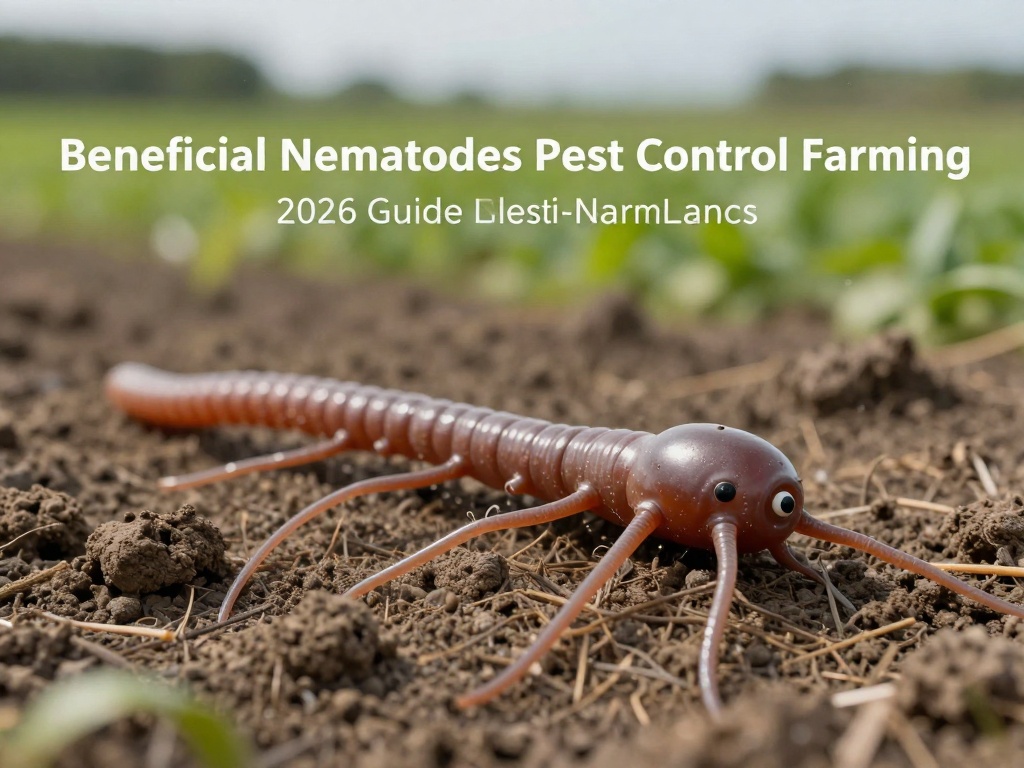
Beneficial Nematodes for Pest Control Farming: 2026 Guide
Beneficial nematodes represent one of the most powerful biological weapons available to modern farmers seeking sustainable pest control solutions. These microscopic roundworms occur naturally in soil ecosystems and target over 200 pest species without harming plants, humans, or beneficial insects. This step-by-step guide reveals how farmers across the globe are revolutionizing their pest management strategies through organic nematode applications in 2026.
What Are Beneficial Nematodes?
Beneficial nematodes are parasitic roundworms that actively seek out and destroy soil-dwelling insect pests. The two most effective species for agricultural applications include Steinernema feltiae and Heterorhabditis bacteriophora. These beneficial organisms enter pest insects through natural body openings, releasing symbiotic bacteria that kill the host within 24-72 hours.
Unlike chemical pesticides, these microscopic allies provide long-lasting protection without contaminating groundwater or harming beneficial soil microorganisms. Farmers implementing nematode-based pest control report significant reductions in soil-dwelling larvae, grubs, and root-feeding insects.
The Science Behind Nematode Effectiveness
Once inside a host insect, beneficial nematodes multiply rapidly, with a single infected pest producing thousands of new nematodes that seek additional hosts. This self-perpetuating cycle continues throughout the growing season, providing extended protection for your crops. Research from agricultural universities confirms these biological agents achieve 80-95% mortality rates against target pests when applied correctly.
Benefits of Nematode-Based Pest Control for Farmers
Modern agriculture demands solutions that balance effectiveness with environmental responsibility. Beneficial nematodes deliver exceptional results while meeting these critical requirements for sustainable farming operations.
- Zero chemical residue on harvested produce, enabling easier organic certification
- Safe for applicators with no protective equipment requirements
- Target-specific action that preserves beneficial insects like bees and ladybugs
- No pest resistance development unlike synthetic chemical alternatives
- Soil health improvement through natural nutrient cycling from infected pests
- Compatibility with existing farming equipment and irrigation systems
Step-by-Step Application Process for Maximum Yield
Step 1: Timing Your Application
Success with beneficial nematodes depends heavily on proper timing. Apply during active pest stages, typically when soil temperatures reach 50-86°F (10-30°C). Spring applications prove most effective for controlling overwintering pest populations, while fall treatments eliminate larvae before they burrow deep for winter dormancy.
Step 2: Calculating Application Rates
Standard application rates range from 500 million to 1 billion nematodes per acre, depending on pest pressure severity and crop type. For vegetables and small-scale operations, calculate approximately 50 million nematodes per 1,000 square feet. Always refer to manufacturer specifications for precise dosing requirements specific to your target pests.
Step 3: Proper Storage and Handling
Nematodes arrive as living organisms requiring immediate attention upon delivery. Store refrigerated at 40-50°F (4-10°C) and use within 2-3 weeks of receipt. Never expose nematodes to direct sunlight or freezing temperatures, as this dramatically reduces viability and effectiveness.
Step 4: Application Methods for Different Setups
Beneficial nematodes adapt to various farming systems including raised beds, container gardens, and large-scale agricultural operations. Mix nematodes thoroughly with non-chlorinated water before application through standard sprayers, drip irrigation systems, or watering cans. Agitate solution continuously during application to prevent settling.
Step 5: Post-Application Care
Keep treated soil consistently moist for 2-3 weeks following application to ensure nematode establishment. Light irrigation after application helps move nematodes into the soil profile where pests reside. Avoid heavy foot traffic on treated areas and refrain from applying chemical fertilizers or pesticides for at least two weeks.
Target Pests Controlled by Beneficial Nematodes
Understanding which pests respond best to nematode treatment helps farmers maximize their investment and achieve superior pest control outcomes across diverse agricultural settings.
- Fungus gnats and shore flies in greenhouse environments
- Root weevils attacking berries, ornamental plants, and vegetables
- Cutworms and armyworms in seedling and transplant production
- White grubs damaging turfgrass and agricultural crops
- Cabbage root maggots affecting cruciferous vegetables
- Billbugs destroying ornamental plantings and lawns
- Thrips hiding in soil debris and growing media
Best Practices for Small Spaces and Container Growing
Container gardeners and urban farmers achieve excellent results with beneficial nematodes when following adapted protocols. Mix 5-10 million nematodes per gallon of water and drench container growing media thoroughly. Reapply every 4-6 weeks during warm months when pest activity peaks. Indoor applications require maintained temperatures above 60°F (15°C) for optimal nematode activity.
Cost Analysis and Return on Investment
While initial costs for beneficial nematodes exceed traditional chemical pesticides, the long-term economic advantages prove substantial. Farmers report reduced pesticide expenditures, decreased labor for reapplications, and increased crop quality commanding premium prices in organic markets. Typical costs range from $30-80 per acre for commercial quantities, with established populations providing years of natural pest suppression.
Combining Nematodes with Other Biological Controls
Integrating beneficial nematodes with complementary biological control agents amplifies overall pest management effectiveness. Combine with predatory mites for comprehensive mite control, or pair with Bacillus thuringiensis (Bt) for enhanced caterpillar management. This integrated approach creates multiple lines of defense against pest populations while maintaining healthy ecosystem balance.
Common Mistakes to Avoid in Nematode Applications
Newcomers to biological pest control frequently encounter preventable obstacles that compromise effectiveness. Avoid these critical errors to ensure successful nematode establishment in your farming operation.
- Applying nematodes during extreme temperature conditions outside their active range
- Using chlorinated water that kills nematodes before soil contact
- Improper storage leading to reduced viability and poor results
- Inadequate soil moisture preventing nematode movement to pest targets
- Expecting immediate results rather than gradual pest population decline
2026 Advances in Nematode Technology
Recent breakthroughs in beneficial nematode production and formulation have dramatically improved accessibility for farmers worldwide. New slow-release formulations provide extended protection periods, while enhanced carrier mediums ensure superior survival during shipping and storage. Researchers continue developing specialized nematode strains targeting specific agricultural pests with unprecedented precision.
FAQ: Beneficial Nematodes for Farming Success
How long does it take to see results after applying beneficial nematodes?
Initial pest mortality occurs within 3-7 days after application, with significant population reduction visible within 2-3 weeks. Maximum effectiveness develops over 4-6 weeks as nematode populations establish and spread throughout the treated area.
Can I use beneficial nematodes alongside chemical pesticides?
Most chemical pesticides, particularly those with soil-active ingredients, harm beneficial nematodes. Avoid applications at least 2-3 weeks before and after nematode treatment. Some organic-approved products like pyrethrin have minimal impact when dry.
What soil conditions favor beneficial nematode establishment?
Beneficial nematodes thrive in soils with 40-60% moisture capacity, temperatures between 50-86°F (10-30°C), and pH levels from 6.0-8.0. Heavy clay soils may require increased application rates due to reduced nematode mobility.
How often should I apply beneficial nematodes for pest control?
For annual crops, apply at planting and repeat every 4-6 weeks during warm growing seasons. Perennial crops benefit from spring and fall applications. Established populations may self-sustain with annual maintenance applications.
Are beneficial nematodes safe for vegetable gardens and food crops?
Absolutely. Beneficial nematodes pose zero risk to humans, pets, birds, fish, or beneficial insects. They naturally occur in healthy soils worldwide and are approved for use on all food crops, including vegetables, fruits, and herbs.
What is the typical cost per acre for nematode applications?
Commercial beneficial nematode applications cost approximately $30-80 per acre, depending on target pest, infestation level, and product concentration. This initial investment often proves more economical long-term than repeated chemical applications with rising resistance issues.
0 Response to "Beneficial Nematodes for Pest Control Farming: 2026 Guide"
Post a Comment