
Low Tunnel Frost Protection for Vegetable Crops: 2026 Guide
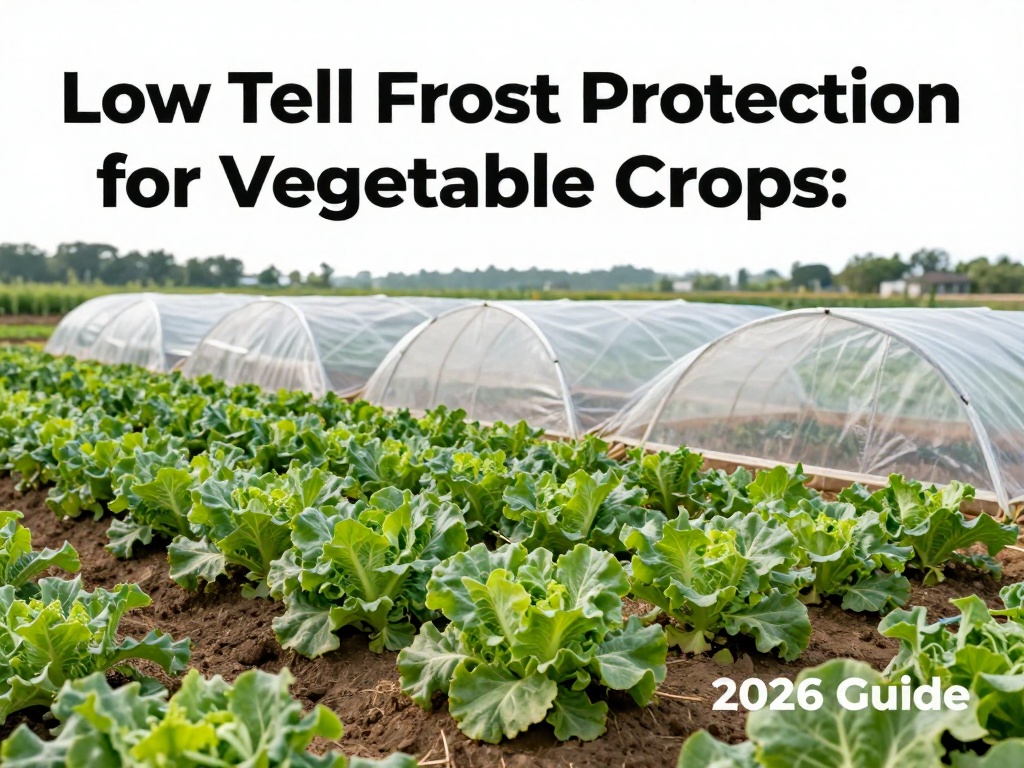
Low Tunnel Frost Protection for Vegetable Crops: 2026 Guide
Frost can devastate your vegetable garden overnight, but low tunnel frost protection offers an affordable and effective solution for growers of all skill levels. These simple structures create a protective microclimate around your plants, extending your growing season by weeks or even months. Whether you grow in raised beds, containers, or traditional garden plots, low tunnels can help you harvest fresh produce well into late fall and early spring. This comprehensive guide covers everything you need to know about implementing low tunnel frost protection for vegetable crops in your garden.
What Are Low Tunnels and How Do They Work?
Low tunnels are lightweight, arched structures covered with plastic sheeting or row cover fabric. They create a greenhouse effect by trapping heat from the sun during the day and releasing it slowly at night, keeping your plants warm when temperatures drop below freezing. Unlike permanent greenhouses, low tunnels are portable and easy to install, remove, and store. The trapped air layer between the cover and your plants provides insulation that can raise temperatures by 2-10 degrees Fahrenheit, depending on the materials used.
The Science Behind Frost Protection
When air temperature drops to freezing, ice crystals form inside plant cells, causing damage that leads to wilted leaves and dead tissue. Low tunnel frost protection prevents this by maintaining temperatures above the critical threshold. The plastic or fabric cover acts as a barrier against cold wind while allowing sunlight to penetrate and warm the soil beneath. This combination creates a stable growing environment even when outdoor conditions turn harsh.
Materials Needed for Building Low Tunnels
Building your own low tunnel system requires just a few basic components: sturdy wire hoops or PVC pipes for the frame, clear or translucent plastic sheeting (1-4 mil thickness), row cover fabric for additional insulation, and clips or rocks to secure the covers. Garden supply stores carry ready-made hoop benders that create consistent arches over standard garden beds. For a budget-friendly approach, many gardeners successfully use repurposed materials like old irrigation pipes and salvaged lumber.
Step-by-Step Installation for Maximum Protection
Preparing Your Garden Beds
Before installing low tunnels, prepare your beds by clearing debris and ensuring soil is well-drained and nutrient-rich. Remove any remaining summer crops and add compost to replenish nutrients for fall or spring plantings. Water your beds thoroughly before covering them, as moist soil retains heat better than dry soil and provides essential hydration to plant roots during cold spells.
Setting Up the Hoop Framework
Space your hoops 3-4 feet apart along the length of your bed, pushing them firmly into the soil at least 6 inches deep. For raised beds, secure the hoops to the bed edges using metal brackets or clamps. Ensure your hoops are tall enough to provide adequate clearance for your tallest plants, typically 18-24 inches above the soil surface for most vegetable crops. The framework should be sturdy enough to withstand moderate wind without collapsing.
Securing and Ventilating Your Covers
Drape your plastic sheeting or row cover over the hoops, ensuring it extends at least 6 inches beyond each side of the bed. Secure one long edge with soil, stones, or ground staples, leaving the opposite edge loose for ventilation and access. During mild weather, lift one side of the cover during the day to prevent overheating and allow air circulation. This practice prevents fungal diseases that thrive in stagnant, humid conditions.
Best Vegetable Crops for Low Tunnel Protection
Certain vegetables thrive under low tunnel frost protection, making them ideal choices for season extension. Leafy greens like lettuce, spinach, kale, and Swiss chard can survive temperatures as low as 20°F when protected by low tunnels. Root vegetables including carrots, beets, turnips, and radishes continue growing slowly under cover throughout winter in many climates.
Cold-Hardy Vegetables for Fall and Winter Growing
Cole crops such as broccoli, cabbage, cauliflower, and Brussels sprouts perform exceptionally well under low tunnels once established. These vegetables can tolerate light frosts and actually develop sweeter flavors after exposure to cold temperatures. Garlic planted in fall will overwinter successfully under low tunnel protection in zones with harsh winters. Green onions and leeks also benefit from extended protection, allowing for continuous harvests through challenging weather.
Extending Spring Growing Seasons
Low tunnels warm the soil and air earlier in spring, allowing you to transplant seedlings 3-6 weeks before your last expected frost date. Tomatoes, peppers, cucumbers, and squash started under protection will produce earlier harvests than direct-seeded plants. The controlled environment also protects tender seedlings from late spring frosts that could wipe out an entire growing season's progress.
Advanced Techniques for Severe Frost Protection
Double-Layer Covering Methods
For extreme cold protection, use two layers of covering separated by an air gap. Install row cover fabric directly over plants, then add plastic sheeting over wire hoops. The dead air space between layers provides superior insulation, raising temperatures an additional 5-8 degrees compared to single-layer systems. This technique proves invaluable for gardeners in USDA zones 5 and colder where winter temperatures regularly plunge below zero.
Thermal Mass and Heat Retention Strategies
Maximize heat retention by placing water containers inside your low tunnels. Gallon jugs filled with water absorb solar heat during the day and release it slowly at night, moderating temperature fluctuations. Dark-colored containers positioned along the interior edges absorb more heat. Applying a thick layer of mulch around plant bases also insulates roots and reduces heat loss from the soil surface.
Common Mistakes to Avoid
New gardeners often make critical errors that reduce the effectiveness of their frost protection efforts. Failing to ventilate during sunny days causes heat buildup that cooks plants faster than frost would. Using covers that touch plant foliage directly can transmit cold damage through contact points. Neglecting to secure covers properly results in wind damage that destroys both the structure and your crops.
Timing Your Protection Correctly
Install your low tunnel system before frost is forecasted rather than waiting until damage occurs. Monitor weather reports closely during transitional seasons when temperatures can swing dramatically. Remove covers during the day when temperatures exceed 70°F to prevent heat stress, then reinstall before evening to capture daytime warmth. This active management ensures your vegetables receive optimal conditions for growth.
Cost Analysis and Return on Investment
A basic low tunnel system for a 4x8 foot raised bed costs approximately $15-30 using reusable materials that last multiple seasons. Commercial kits range from $50-150 depending on quality and size. When you consider the value of fresh vegetables harvested during months when store prices are highest, the investment quickly pays for itself. Homegrown produce also eliminates transportation emissions and ensures organic growing practices.
FAQ: Low Tunnel Frost Protection for Vegetable Crops
How do I build a low tunnel for frost protection on a budget?
Use 10-foot PVC pipes bent into hoops over your beds, secured with rebar stakes. Drape clear plastic garbage bags or painter's plastic over the hoops, weighing down edges with rocks or soil. For reusable covers, invest in UV-resistant greenhouse plastic that lasts 2-4 seasons. Wire tomato cages also work as instant mini-tunnels for individual plants.
When should I install low tunnels in fall or spring?
Install low tunnels 2-4 weeks before your average first fall frost date, or 3-6 weeks before your last spring frost date. For overwintering crops, install when daytime temperatures consistently stay below 50°F. Monitor long-term forecasts and prepare structures before severe weather arrives.
What vegetables survive frost under low tunnel protection?
Hardy greens including spinach, kale, and lettuce survive down to 20°F. Root crops like carrots and beets tolerate temperatures in the mid-20s. Cole crops such as cabbage and broccoli handle light freezes. Tender vegetables like tomatoes and peppers need protection when temperatures drop below 35°F.
How much temperature increase do low tunnels provide?
Single-layer low tunnels typically raise temperatures 2-6°F above ambient conditions. Double-layer systems with an air gap can add 8-12°F of protection. Water-filled containers inside tunnels contribute an additional 2-4°F of warming during nighttime hours.
Do I need to remove snow from low tunnel covers?
Light snowfall usually slides off sloped plastic covers. Heavy wet snow exceeding 4 inches should be gently brushed off to prevent collapse. Rigid PVC or thick wire hoops support more weight than thin wire frames. Choose hoop materials rated for your typical snowfall amounts.
How much time does low tunnel gardening require weekly?
Plan for 15-30 minutes of daily attention during variable weather seasons to open and close covers for ventilation. Weekly maintenance includes checking cover security, removing debris, and monitoring soil moisture. Less frequent tasks involve repairing damaged covers and adjusting supports as plants grow taller.
Can I use low tunnels in small spaces or containers?
Low tunnels adapt easily to container gardening and small spaces. Use wire hoops inserted into pot rims or container edges to create mini-tunnels over individual plants. Cloche-style covers work well for protecting herbs and small vegetable starts on patios or balconies.
0 Response to "Low Tunnel Frost Protection for Vegetable Crops: 2026 Guide"
Post a Comment