
Cover Crop Nitrogen Fixation Methods: 2026 Soil Guide
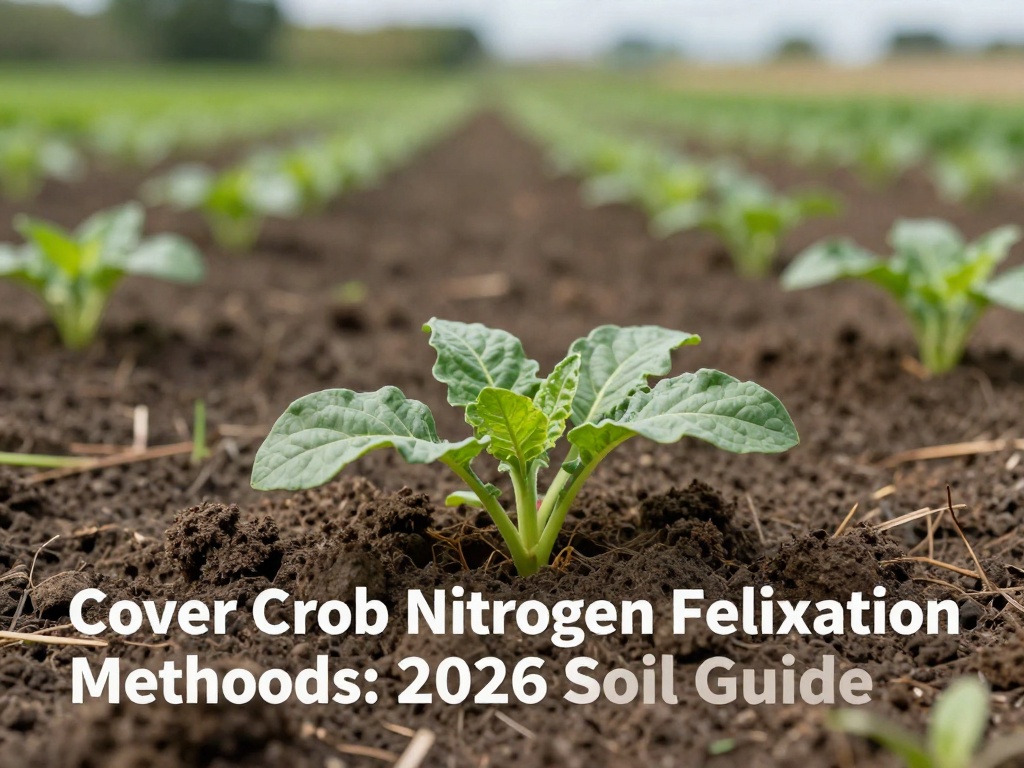
Cover Crop Nitrogen Fixation Methods: 2026 Soil Guide
Nitrogen is the backbone of productive farmland, yet many growers struggle to maintain adequate levels without relying heavily on synthetic fertilizers. Cover crop nitrogen fixation methods offer a natural, cost-effective solution that builds soil health while reducing input costs. This comprehensive 2026 guide explores proven techniques for harnessing the power of legumes and soil microbiology to naturally enrich your fields.
Understanding Nitrogen Fixation in Cover Crops
Nitrogen fixation is a remarkable biological process where certain plants convert atmospheric nitrogen gas into forms plants can use. This natural mechanism forms the foundation of sustainable soil fertility management. Understanding how this process works helps you make informed decisions about which cover crop nitrogen fixation methods will work best for your specific conditions.
The Science Behind Biological Nitrogen Fixation
Leguminous cover crops like crimson clover, hairy vetch, and winter peas form symbiotic relationships with rhizobia bacteria. These bacteria colonize root nodules and convert atmospheric nitrogen (N₂) into ammonia (NH₃), which the host plant then uses to build proteins and growth tissue. When the cover crop terminates and decomposes, this nitrogen becomes available to subsequent cash crops, creating a natural fertilizer cycle that reduces your dependence on synthetic inputs.
Why Nitrogen Fixation Matters for Soil Health
Healthy soil ecosystems depend on balanced nutrient cycling, and nitrogen fixation plays a crucial role in maintaining this balance. Synthetic fertilizers can disrupt soil microbiology and contribute to environmental issues like water pollution. Cover crop nitrogen fixation methods work with nature rather than against it, promoting beneficial soil organisms while building long-term fertility that synthetic approaches cannot match.
Best Cover Crops for Nitrogen Fixation
Choosing the right cover crop species determines your success with nitrogen fixation. Different plants offer varying benefits depending on your climate, growing season, and crop rotation plans.
Crimson Clover for Temperate Climates
Crimson clover excels in temperate regions and can fix 70-150 pounds of nitrogen per acre annually. This cool-season legume establishes quickly, tolerates frost better than many clovers, and provides excellent spring forage. Plant crimson clover in early fall or early spring, depending on your location, and terminate it 2-3 weeks before planting your cash crop to allow adequate decomposition time.
Hairy Vetch: The Nitrogen Powerhouse
Hairy vetch ranks among the most productive nitrogen-fixing cover crops, potentially contributing 100-200 pounds of nitrogen per acre. This resilient vine adapts to various soil types and climates, making it an excellent choice for growers across diverse regions. Its vigorous growth also provides exceptional weed suppression and erosion control benefits.
Winter Peas and Austrian Peas
Winter peas offer rapid fall establishment and substantial spring growth, typically fixing 50-120 pounds of nitrogen per acre. Austrian winter peas tolerate cold temperatures well, making them ideal for northern growers seeking reliable nitrogen fixation through harsh winters. These legumes also provide high-quality livestock forage if you incorporate grazing into your operation.
Step-by-Step Nitrogen Fixation Methods
Successfully implementing cover crop nitrogen fixation methods requires attention to timing, inoculation, and termination strategies. Follow these practical steps to maximize nitrogen contribution to your soil.
Method 1: Standard Legume Establishment
This foundational method works well for most growers transitioning to cover cropping. Begin by testing your soil pH and adjusting it to 6.0-7.0 if necessary, as legumes perform best in slightly acidic to neutral conditions. Inoculate your seed with the appropriate rhizobia strain specific to your chosen legume species—this critical step ensures proper nodulation and nitrogen fixation. Sow seed at recommended rates using drilling or broadcasting followed by light cultivation to ensure good seed-to-soil contact.
Method 2: Mixed Species Cover Cropping
Combining nitrogen-fixing legumes with non-leguminous companion plants creates synergistic benefits. The grass component captures leached nitrogen, while legumes fix atmospheric nitrogen that becomes available to the entire plant community. This method works particularly well in small spaces and raised beds where you want diverse soil benefits from a single planting.
Method 3: Termination Timing for Maximum Benefit
Timing your termination correctly dramatically affects nitrogen release rates and availability to subsequent crops. Terminate legumes at early bloom stage for optimal nitrogen content—waiting too long results in nitrogen tie-up as the plants mature and decompose more slowly. In organic systems, mechanical termination through mowing or rolling at bloom provides effective control while preserving soil-protecting residue.
Optimizing Soil Conditions for Fixation
Even the best cover crop nitrogen fixation methods fail without proper soil conditions. Understanding what factors influence this biological process helps you create an environment where nitrogen-fixing bacteria thrive.
Soil pH and Nutrient Requirements
Rhizobia bacteria activity peaks between pH 6.0 and 7.0. Below 5.5, bacterial populations decline significantly, reducing fixation efficiency. Ensure adequate phosphorus, potassium, and micronutrients, particularly molybdenum and cobalt, which play essential roles in the nitrogen fixation enzyme systems. Regular soil testing guides your amendment program and helps maintain optimal conditions for biological activity.
Drainage and Oxygen Requirements
Nitrogen fixation requires oxygen, making proper soil drainage essential for healthy nodulation. Waterlogged soils restrict oxygen availability and inhibit bacterial function. If you have poorly drained areas, consider using more tolerant species like alsike clover or sweet clover, which handle occasional flooding better than other legumes.
Common Mistakes to Avoid
Learning from typical errors helps you implement cover crop nitrogen fixation methods more effectively. Many beginners inadvertently sabotage their efforts through preventable oversights.
Skipping inoculation remains the most common mistake, especially in fields without a history of legumes. Without proper rhizobia present, your cover crops may struggle to nodulate effectively. Always inoculate when planting legumes in new ground or areas that haven't grown the specific legume species within the past 3-5 years.
Terminating too early represents another frequent error. While you want to avoid excessive biomass that delays cash crop planting, cutting at the wrong growth stage reduces nitrogen contribution significantly. Aim for termination at 10-50% bloom to balance nitrogen content with practical timing constraints.
Measuring Your Success
Tracking nitrogen fixation benefits helps you refine your approach over time. Simple testing methods provide valuable feedback on your soil improvement efforts.
Pre-sidedress soil nitrate testing (PSNT) measures available nitrogen in spring before planting cash crops. Compare fields with established cover crops against fallow areas to quantify your contribution. Regular soil testing over multiple seasons documents long-term improvements in organic matter, soil structure, and overall fertility that result from consistent cover cropping practices.
Cost and Effort Considerations
Cover crop nitrogen fixation methods require initial investment but typically deliver strong returns within 2-3 seasons. Seed costs range from $15-40 per acre depending on species and seeding rates, with inoculation adding minimal expense. When you calculate the value of nitrogen provided (at current fertilizer prices), the return on investment often exceeds 300% in the first year alone.
Labor requirements vary by method and scale. Drilling seed requires less labor than broadcasting, though broadcasting works well when combined with light cultivation. Equipment needs range from simple broadcast spreaders for small plots to precision seed drills for larger operations, making cover cropping accessible regardless of your operation's scale.
Results Timeline: What to Expect
Understanding the timeline for nitrogen availability helps you plan crop rotations effectively. Nitrogen from terminated cover crops typically becomes available to subsequent crops within 4-8 weeks, depending on decomposition conditions, termination method, and soil temperature.
During the first year, expect modest contributions of 30-80 pounds of nitrogen per acre from newly established cover crops. By year two and beyond, well-managed stands typically contribute 80-150+ pounds annually. The soil health benefits compound over time, with organic matter increases and improved soil structure becoming evident after 3-5 consecutive seasons of cover cropping.
FAQ: Cover Crop Nitrogen Fixation Methods
What is the fastest way to fix nitrogen in soil with cover crops?
Crimson clover and winter peas establish quickly and begin fixing nitrogen within 4-6 weeks of germination. For fastest results, plant in early fall to allow fall and early spring growth before terminating at bloom stage.
Do all cover crops fix nitrogen?
No, only leguminous plants (clovers, peas, vetches, beans) fix atmospheric nitrogen through symbiosis with rhizobia bacteria. Non-leguminous cover crops like rye, oats, and brassicas cannot fix nitrogen but protect soil and capture existing nitrogen.
How much nitrogen can cover crops add to soil?
Well-managed legume cover crops typically contribute 50-200 pounds of nitrogen per acre annually, depending on species, growing conditions, and management. Hairy vetch and crimson clover rank among the highest producers.
When should I terminate cover crops for maximum nitrogen?
Terminate legumes at early to full bloom stage, typically 4-6 weeks before planting cash crops. This timing provides adequate decomposition while maximizing nitrogen content in the plant tissue.
Is inoculation necessary for nitrogen fixation?
Inoculation is essential when planting legumes in fields without a history of that specific legume species. New ground, sandy soils, and acidic conditions particularly benefit from fresh inoculant to ensure proper nodulation.
Can I mix cover crops with cash crops for ongoing fixation?
Yes, interseeding legumes into standing cash crops during late summer provides partial-season nitrogen fixation. This method works best in wide-row crops like corn, where light penetration allows cover crop establishment before harvest.
How long does it take to see soil health improvements from cover cropping?
Visible improvements in soil structure and organic matter typically appear within 2-3 seasons. Nitrogen contribution benefits appear immediately, while long-term soil health improvements compound over 3-5 years of consistent practice.
0 Response to "Cover Crop Nitrogen Fixation Methods: 2026 Soil Guide"
Post a Comment